On Ownership That Works From a Distance.
For many NRIs, buying a home in India brings clarity around location, developer trust, rental demand, and remote management.
The decision is rarely emotional alone. It is structured. It is measured against distance, reliability, and long-term usability. The home must function without constant oversight. It must hold relevance whether it is lived in, rented out, or simply retained as a connection to India.
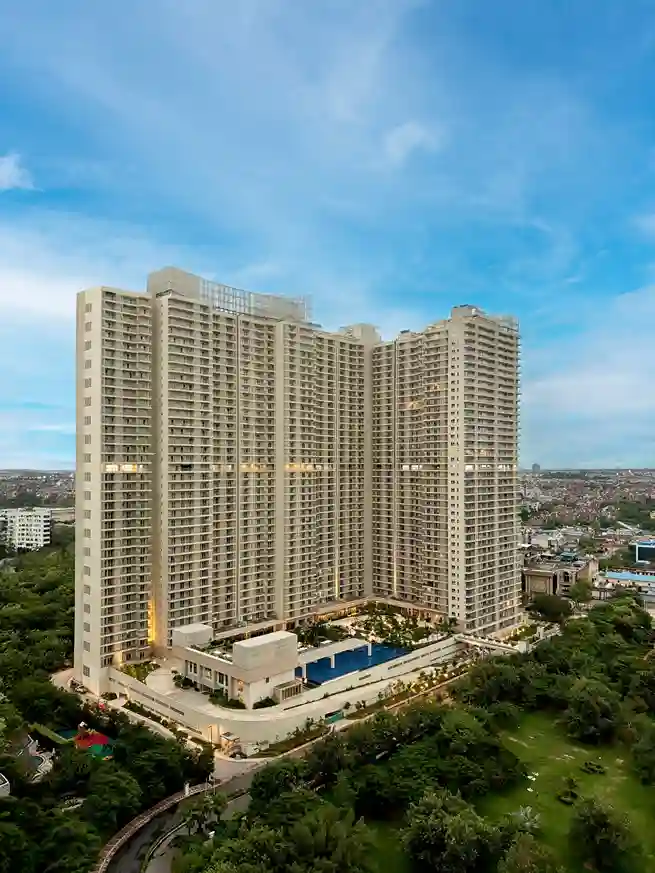
For buyers searching for luxury properties in Gurugram for NRIs, DLF remains part of the conversation because of its location depth, brand trust, and managed residential environments.
The interest comes from a combination of Gurugram’s business depth, DLF’s delivery track record, and residential formats shaped around space, security, and maintenance.
Gurugram’s appeal does not come from a single factor. It comes from alignment.
The city sits close to Delhi and is directly connected to the Indira Gandhi International Airport. It is home to large business districts such as Cyber City, Golf Course Road, and emerging corridors like Southern Peripheral Road (SPR) and Dwarka Expressway. These areas are linked to ongoing infrastructure activity, including metro expansion and road upgrades.
This matters because employment drives residential demand.
Global firms, consulting companies, technology businesses, and financial institutions operate from these districts. Their presence supports housing demand across premium locations. Senior professionals, expatriates, and leadership teams often look for homes that are secure, well-managed, and close to work.
DLF’s relevance in Gurugram comes from its depth across established residential and commercial locations.
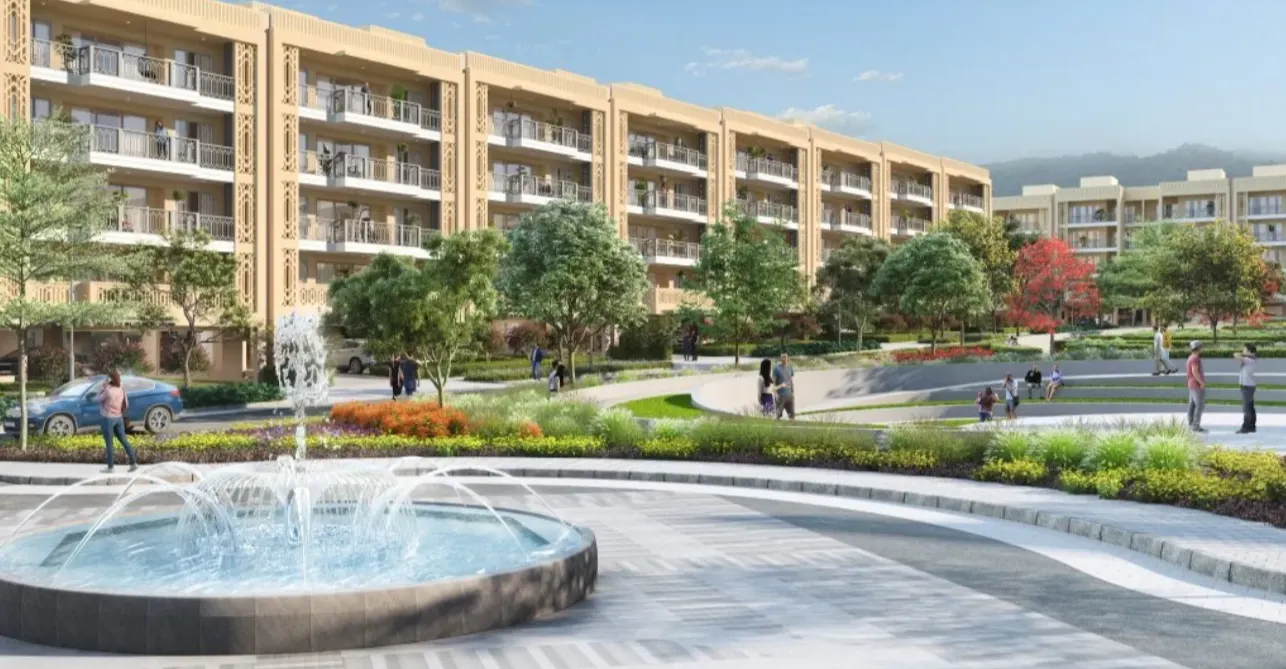
Unlike standalone developments, many DLF projects sit within larger, planned environments. These developments sit within established DLF-led residential environments with internal roads, green areas, retail access, and social infrastructure.
This scale matters in practice.
It allows for:
For an NRI buyer, this reduces uncertainty. The developer is not only delivering a building, but contributing to a functioning neighbourhood.
Luxury is often described in finishes. In practice, it is experienced through planning.
In many DLF developments, the emphasis is on usable layouts, proportion, and shared spaces that support daily life rather than simply appearing attractive in brochures.
Homes are typically designed with:
This approach matters for both end-use and rental.
Tenants in Gurugram’s premium segment often look for homes that feel complete. Not just in terms of interiors, but in how the overall environment supports daily routines.
Rental demand in Gurugram is closely tied to its corporate base.
Areas such as Golf Course Road, DLF Phase 5, and parts of New Gurugram continue to draw interest from:
Senior professionals working in multinational firms
Expatriates on long-term assignments
Consultants and leadership teams
Founders and business owners operating within NCR
Many DLF addresses align with these tenant expectations because of their location, security systems, maintenance frameworks, and established resident environments.
This does not guarantee outcomes. However, it does create conditions where demand has clear corporate support.
For an NRI, this is important.
The focus is not on promises of yield or occupancy. It is on whether the property sits in a location where tenant discovery can be supported, and where tenant profile and possible continuity remain aligned with the asset.
Distance is the primary concern for any NRI buyer.
For an owner based in Dubai, Singapore, London, New York, or Toronto, the property must remain manageable without frequent personal visits.
This is where structured developments make a difference.
In many DLF communities, ownership is supported through:
These factors reduce the operational load on the owner.
The property does not become effortless, but it becomes manageable.
In real estate, location is not a slogan. It is a measurable factor.
DLF developments are often positioned within micro-markets that are already active or are linked to established business districts.
This includes proximity to:
These are long-term value signals.
They do not ensure appreciation. However, they indicate that the property is part of a functioning urban system rather than an isolated development.
For NRIs, this reduces the risk of holding an asset that feels disconnected over time.
A home in India, for an NRI, serves multiple roles.
It is:
The decision therefore requires alignment across all these roles.
DLF homes in Gurugram support this alignment through:
The appeal of Gurugram is visible in its infrastructure, its business activity, and its residential demand.
The appeal of DLF comes from its presence within that structure.
For an NRI buyer, the decision is not about finding the most luxurious home in isolation. It is about choosing a property that remains relevant, manageable, and connected over time.
In that context, Gurugram and DLF often come up together not as a promise, but as a combination that addresses practical ownership, tenant alignment, and long-term connection to India.
Disclaimer: This blog has been written exclusively for educational purposes. The information mentioned are only examples and not recommendations. It is based on several secondary sources on the internet and is subject to changes. Please consult an expert before making related decision.