For many homebuyers, choosing a residential property is as much about the environment around the home as the home itself. The community, location, planning, open spaces and access to everyday conveniences can all shape the experience of living there over the long term.
This is where a DLF society in Gurgaon can appeal to buyers looking for a more established and considered residential setting. DLF's presence across Gurugram includes different residential formats and locations, giving homebuyers options that vary in scale, design and community character.
Understanding what sets these homes apart requires looking beyond the DLF name and considering the elements that contribute to a premium residential experience.
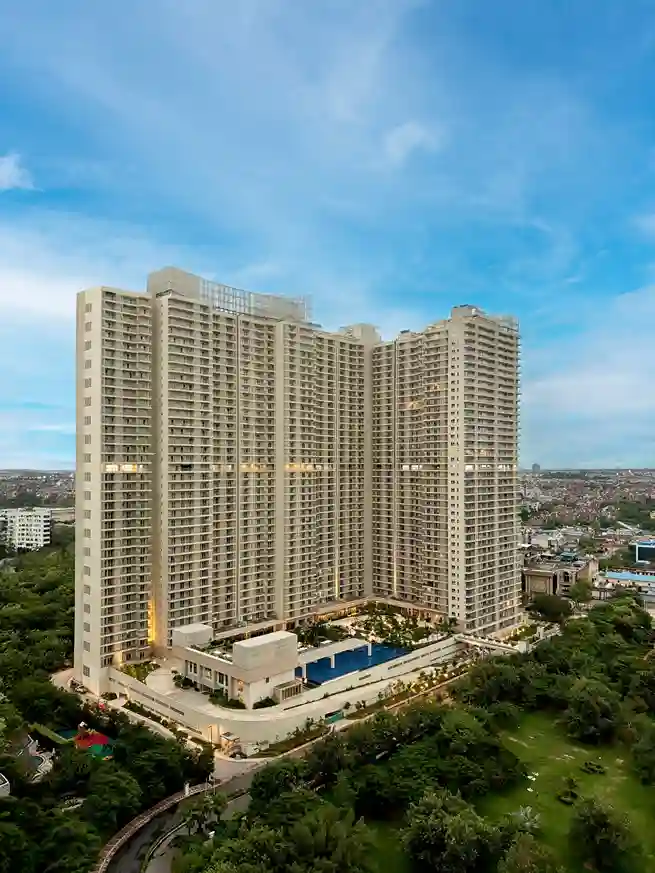
DLF's residential developments in Gurugram span multiple formats, from apartment communities to independent floors. This means that a DLF home is not defined by one particular building type or layout.
Instead, buyers can assess each development based on its location, residential format, planning, amenities and the way the wider community is organised.
This is useful for buyers because the right home ultimately depends on individual requirements. A family looking for an apartment community may have different priorities from someone seeking the scale and privacy of an independent floor.
A residential development does not exist in isolation. Its location influences everyday journeys, access to services and the way residents experience the wider city.
DLF has developed residential communities across established parts of Gurugram, where location forms an important part of the overall residential proposition. For a buyer, the relevant consideration is how the specific property connects with workplaces, schools, healthcare, retail, leisure and established road networks.
Rather than choosing solely by proximity to a landmark, consider the routes that are likely to matter most to your household.
One of the considerations when exploring a DLF society in Gurgaon is the range of residential formats available.
Apartment communities can offer a structured environment with shared facilities and common spaces. Independent floors provide a different residential experience, with greater emphasis on privacy and a lower-rise setting.
The choice should be guided by how you want to use the home. Consider household size, privacy requirements, preference for shared amenities and how much of your daily life you expect to spend within the wider community.
A premium home should work well in everyday situations, not just look impressive when viewed for the first time.
Floor plans, room proportions, circulation, privacy between spaces and access to outdoor areas can all affect daily comfort. Larger living and dining spaces may offer greater flexibility for family use and entertaining, while well-separated bedrooms can provide a quieter private zone.
When evaluating DLF homes, buyers should therefore spend time understanding the actual floor plan rather than relying only on the overall area or visual presentation.
A residential community extends beyond individual residences.
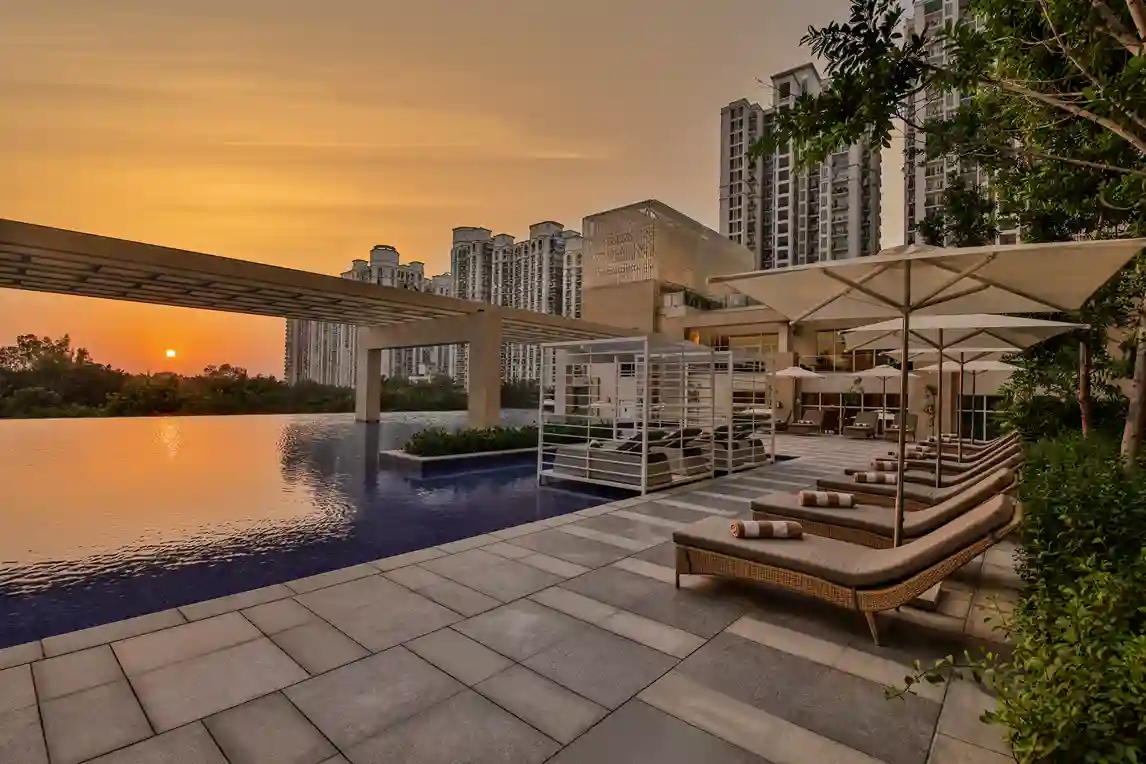
Landscaping, internal roads, pedestrian routes, arrival areas, recreational facilities and common spaces can influence how residents move through and use the development. When these elements are planned together, they can create a more coherent residential environment.
This is particularly relevant for buyers who expect the community to form part of their everyday lifestyle.
Amenities can add convenience and choice to residential life, but their value depends on how residents actually use them.
Depending on the specific DLF development, shared facilities may support fitness, recreation, social interaction, children's activities or outdoor time. Buyers should assess the amenities provided in the particular project and consider whether they align with their household's routines.
The question is not simply how many facilities are offered. It is whether the spaces provided contribute meaningfully to everyday life.
Open space can influence the character of a residential community.
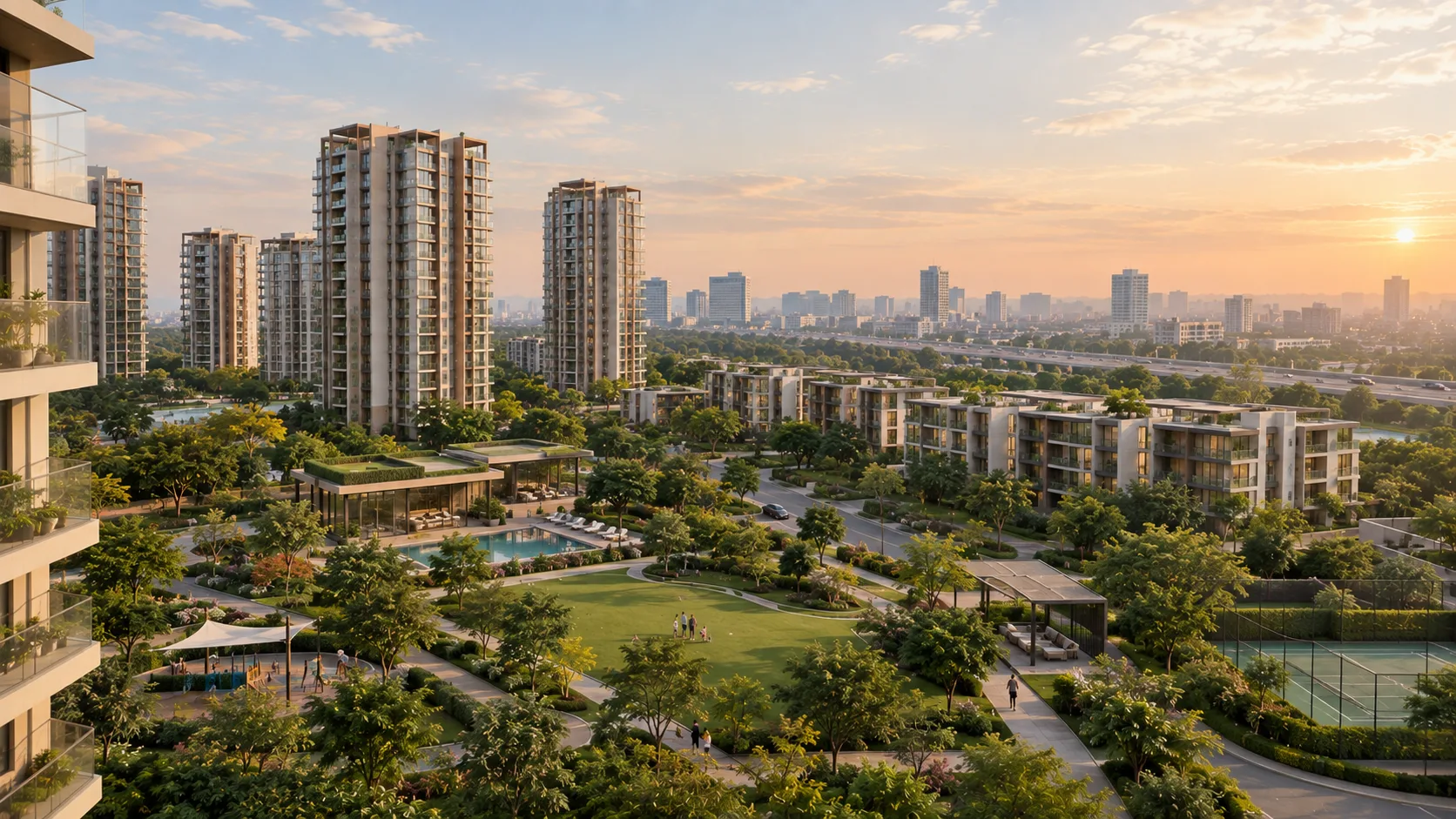
Landscaped areas, gardens and pedestrian routes can provide residents with opportunities to spend time outdoors while creating visual separation between built spaces. In larger communities, the relationship between landscape and buildings can also influence how private or open different parts of the development feel.
For homebuyers, it is worth looking at the masterplan to understand how these spaces are positioned and how accessible they are from the residences.
Premium residential living does not have to mean choosing between privacy and community.
Thoughtful planning can create a balance between private residences and shared spaces. The positioning of buildings, entrances, balconies, common areas and internal movement can influence how much separation residents experience in daily life.
For families, this can be especially relevant. A home can provide personal space while the wider community offers opportunities for recreation and social interaction.
A property purchase is usually a long-term decision, so today's requirements are only part of the assessment.
Households can change over time. Children grow, working arrangements evolve and requirements for space, privacy and recreation can shift. A well-planned home and community can provide greater flexibility as these needs develop.
This makes factors such as adaptable rooms, practical layouts, community facilities and location important considerations when assessing a DLF society in Gurgaon.
The DLF name can be an important starting point, but the specific project still deserves careful evaluation.
Before making a decision, consider:
This approach helps buyers assess the actual residential experience rather than relying on brand familiarity alone.
The appeal of DLF homes in Gurugram comes from the combination of several factors rather than a single feature. Different residential formats provide choice, while location, planning, community spaces and amenities can contribute to the overall experience.
For buyers considering a DLF society in Gurgaon, the most useful approach is to evaluate each development on its own merits. Look at the home, the masterplan, the surrounding location and the practical details that will shape everyday living.
A premium residential property should ultimately offer more than an attractive address. It should provide a well-considered setting that supports comfort, privacy, convenience and the way a household expects to live over the years.
Disclaimer: This blog has been written exclusively for educational purposes. The information mentioned are only examples and not recommendations. It is based on several secondary sources on the internet and is subject to changes. Please consult an expert before making related decision.