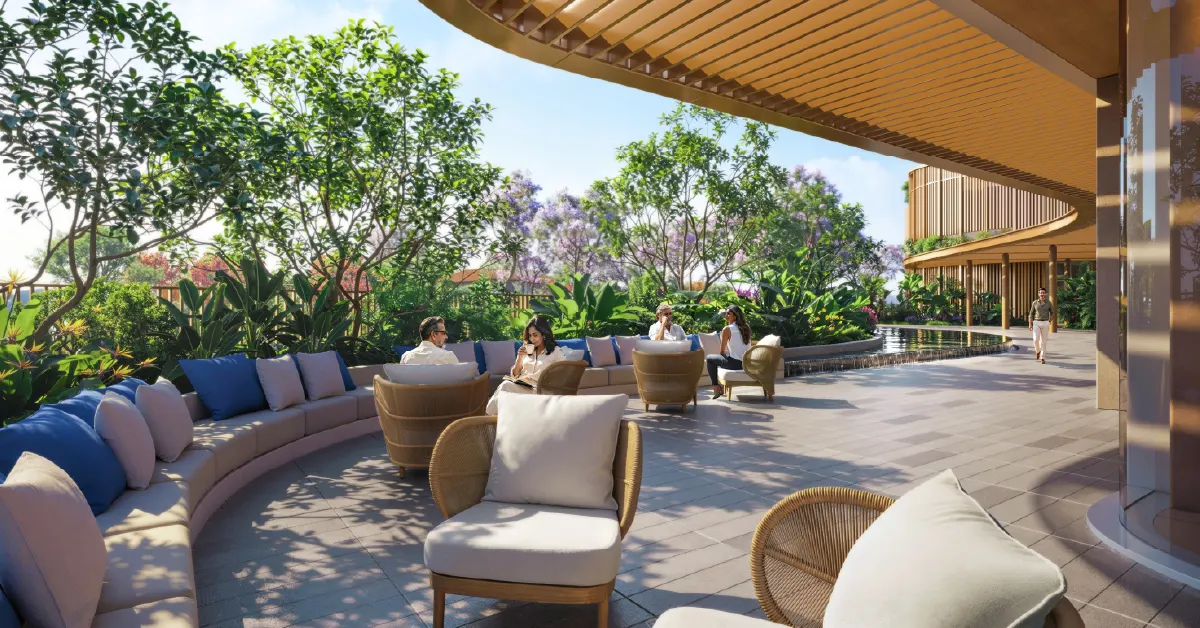
Well-being is often treated as a medical routine, a schedule of appointments, and precautions. In later life, however, true well-being is an infrastructure. The physical and social environment a person wakes up in does more to shape their daily confidence than almost any other factor.
When families plan for the future, they often focus on securing help for emergencies. But the real shifts in later life are much quieter. A conventional home simply begins to ask for more effort. Friends move away, and staying in touch starts to require logistical coordination. The true value of a considered community is that it anticipates these changes through design, absorbing the friction of daily life, so the resident does not have to.
Most private residences were designed for a different season of life. A split-level floor plan or a sudden step down into a room are choices that can eventually take a quiet, ongoing toll on a person’s physical confidence.
A thoughtfully planned environment removes these subtle barriers. By integrating intuitive lighting, seamless transitions, and uninterrupted spaces, the architecture simply works with the resident. It allows them to move through their space with a sense of effortless independence, turning navigation back into a natural, unthinking act.
Physical ease is only one part of well-being. Another quiet challenge of later life is the gradual narrowing of a social world. When driving becomes less appealing, staying connected begins to require effort.
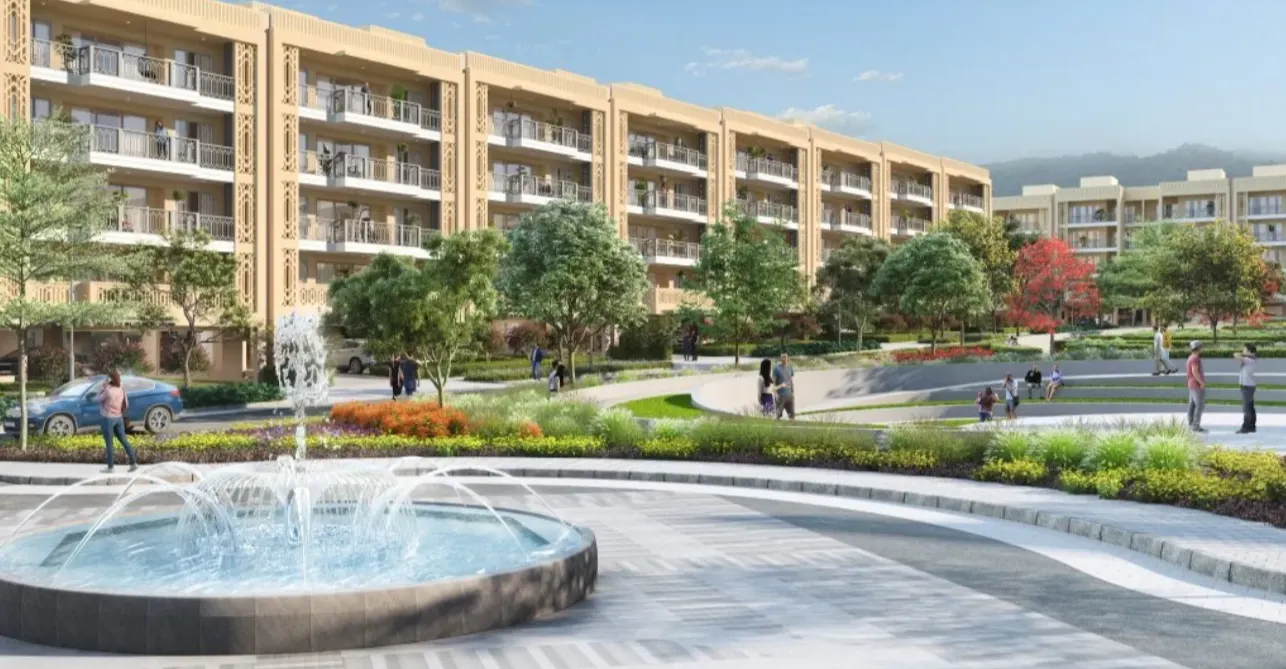
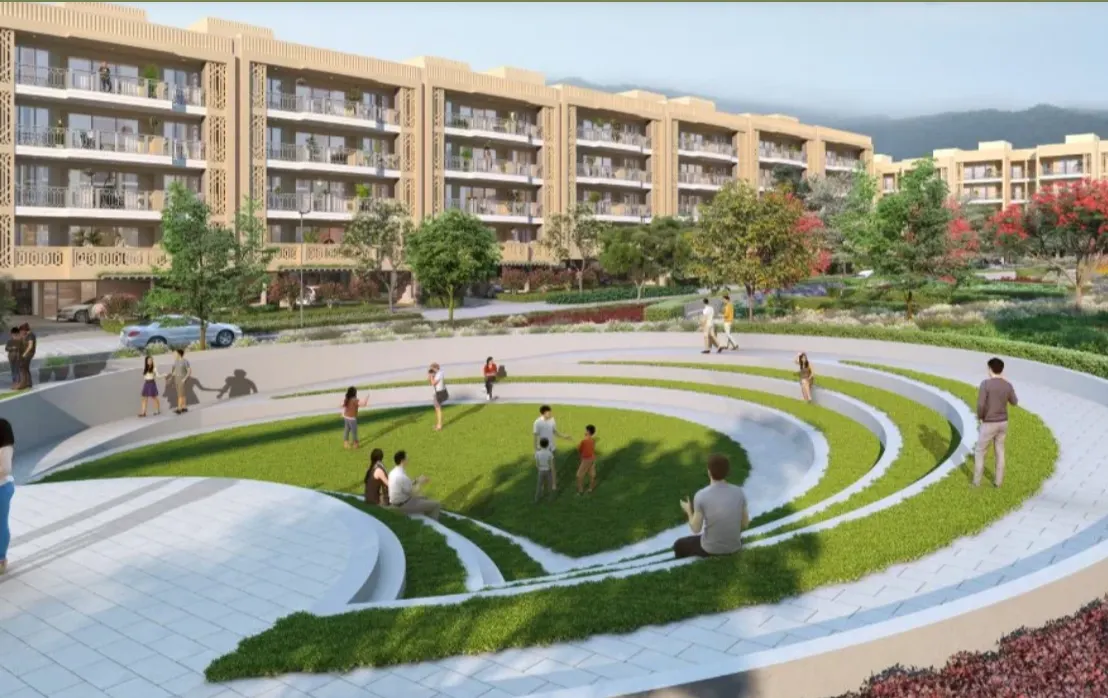
A supportive neighborhood solves this through proximity and design. By placing shared spaces, landscaped walking paths, and cultural venues naturally along a resident’s daily route, a conversation simply happens along the way. It does not need to be scheduled or coordinated. A peer group is always nearby, keeping the day feeling open and effortless.
As a person’s needs evolve, a home should offer clarity rather than complexity. The conversation around living well over time is shifting away from purely clinical facilities. Families are realizing that true reassurance comes from an environment that is fundamentally easy to understand.
A considered community uses intuitive design, clear sightlines, gentle natural light, and predictable, calming spaces, to reduce the mental load of navigating the day. It provides a quiet structure that helps residents retain their dignity and autonomy, without ever feeling managed.
Choosing a home in later life is not about bracing for a crisis. It is about finding a setting that quietly works with you, rather than against you.
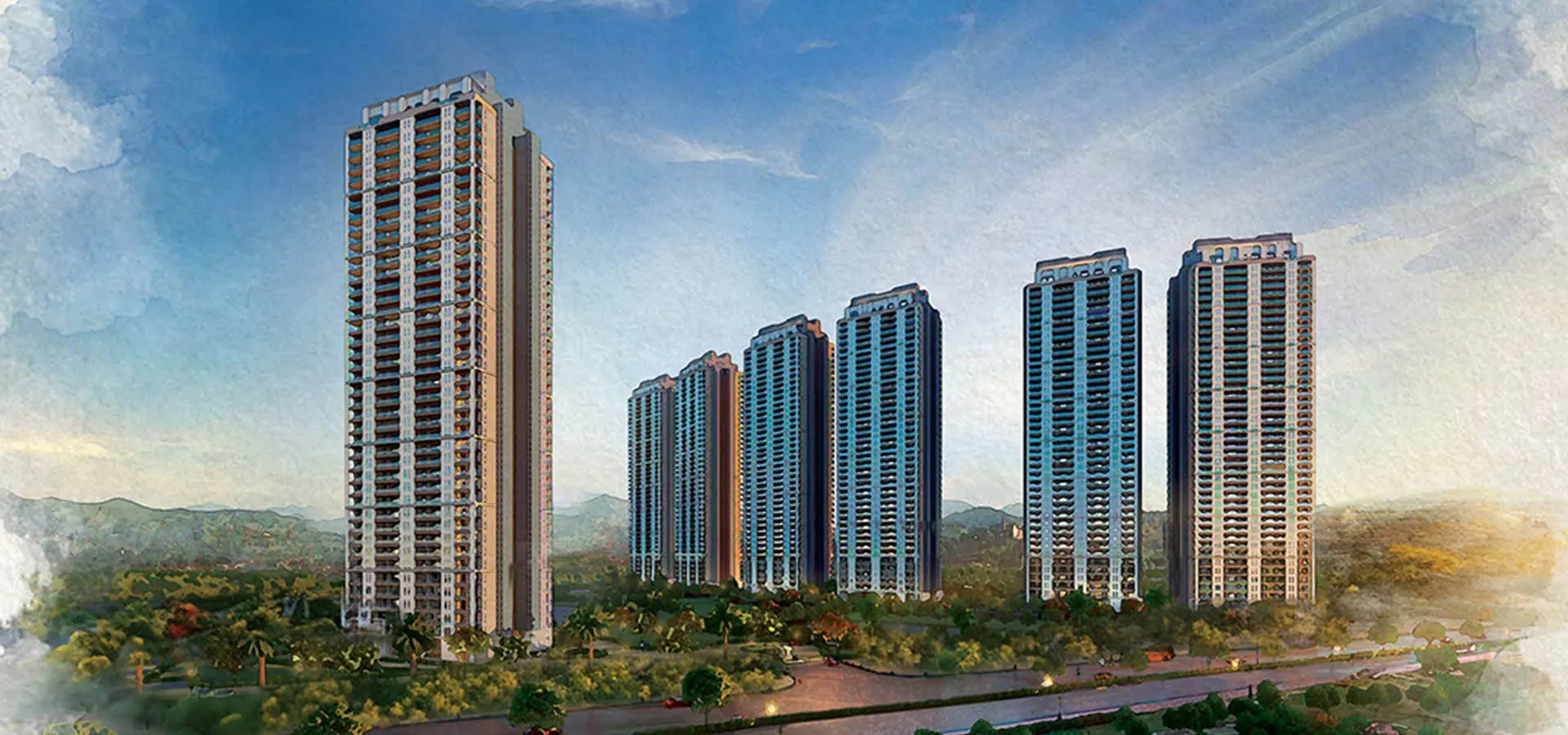
This understanding shapes DLF’s approach to luxury retirement housing projects. The intent is not to redefine how older adults live, but to ensure that physical space absorbs the daily effort. When the environment itself anticipates a resident’s needs, it gives them something truly meaningful: the quiet confidence to simply wake up and enjoy the day.
Disclaimer: This blog has been written exclusively for educational purposes. The information mentioned are only examples and not recommendations. It is based on several secondary sources on the internet and is subject to changes. Please consult an expert before making related decisions.