A beautifully designed home offers comfort. In later life, though, comfort depends on more than what sits within the walls. It also depends on how naturally the world outside those walls supports the life being lived inside them.
For older adults, distance can quietly drain energy from the week. For their children, it can sit in the background as an unspoken concern. The right setting does more than offer a good address. It reduces the quiet effort that everyday life can begin to demand.
In a large city, even a routine check-up can take over a morning. The journey itself can begin to feel heavier than the appointment. Over time, that low-grade effort can subtly shape how a person feels about their own independence.
A well-planned community eases that strain. When a home sits within the same master-planned ecosystem as Medanta in Gurugram, routine visits feel more manageable. The day is less likely to be organized around traffic, travel, and coordination. In its place comes a greater sense of ease.
For adult children, this changes the emotional equation as well. Reassurance comes not from constant checking in, but from knowing that established care is already close at hand.
This is where balance matters. Older adults may want advanced care nearby, but they rarely want daily life to feel as though it is organized around a hospital.
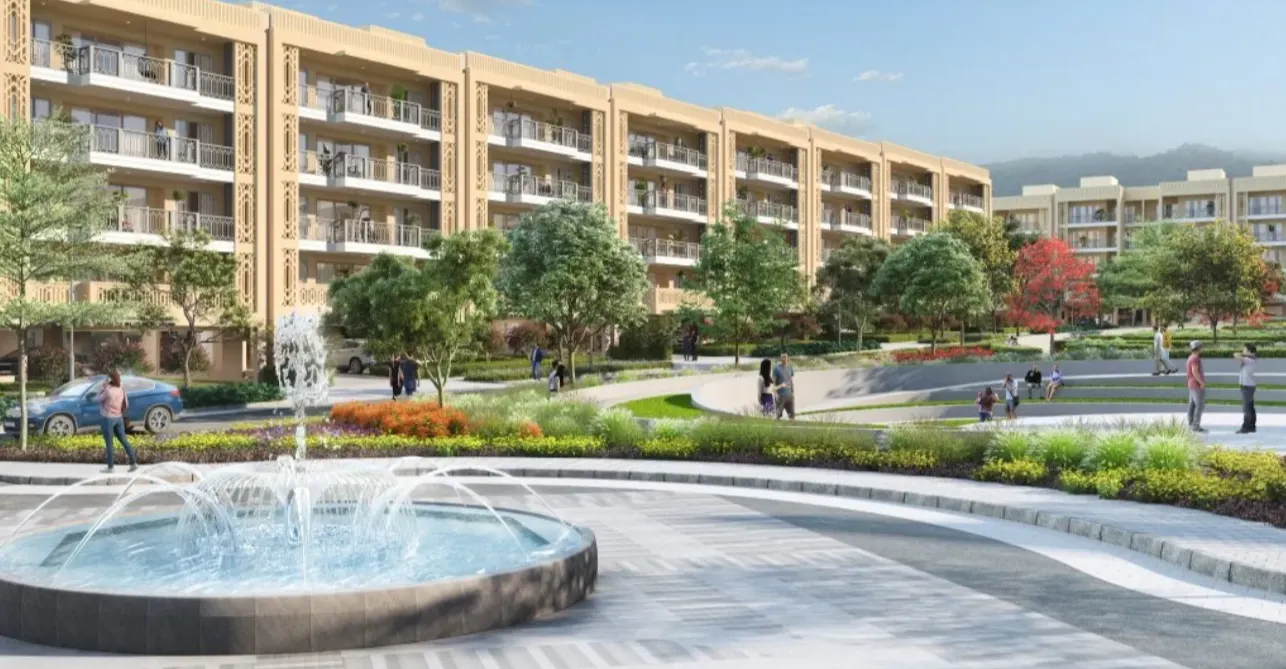
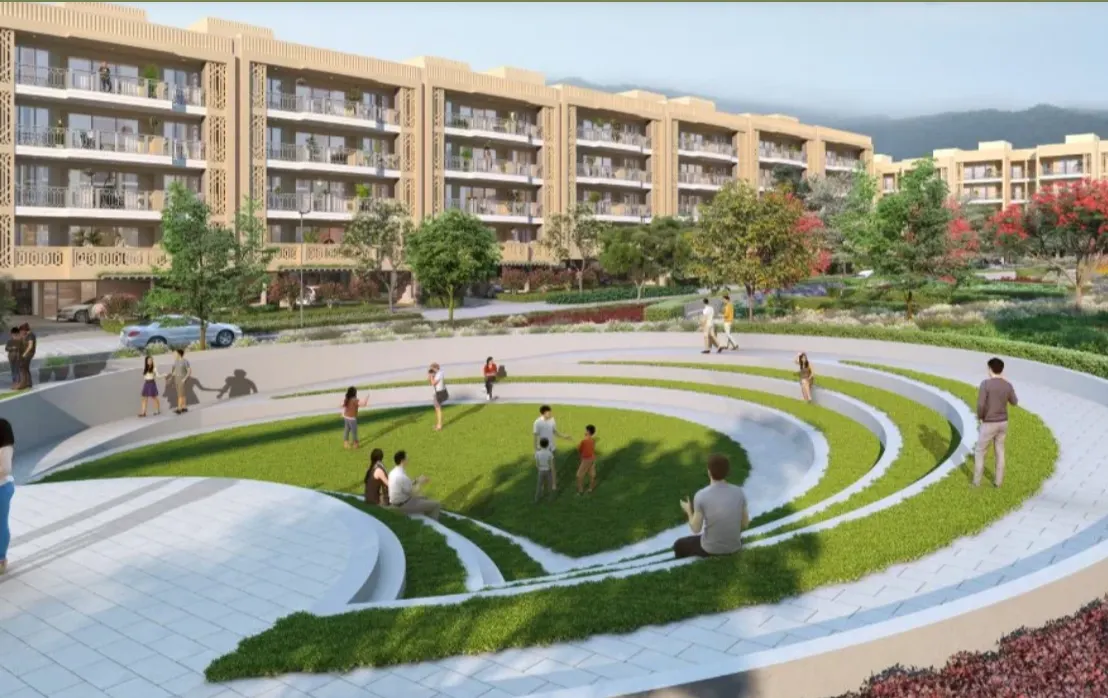
That is the value of a well-chosen location. It keeps support in the background. The neighborhood remains residential, green, and calm. Care is close if it is ever needed, but it does not define the mood of the place.
A home in later life should still feel like a home. It should support confidence without changing the character of everyday living.
When long drives and logistical planning stop shaping the week, something important returns: freedom within the day.
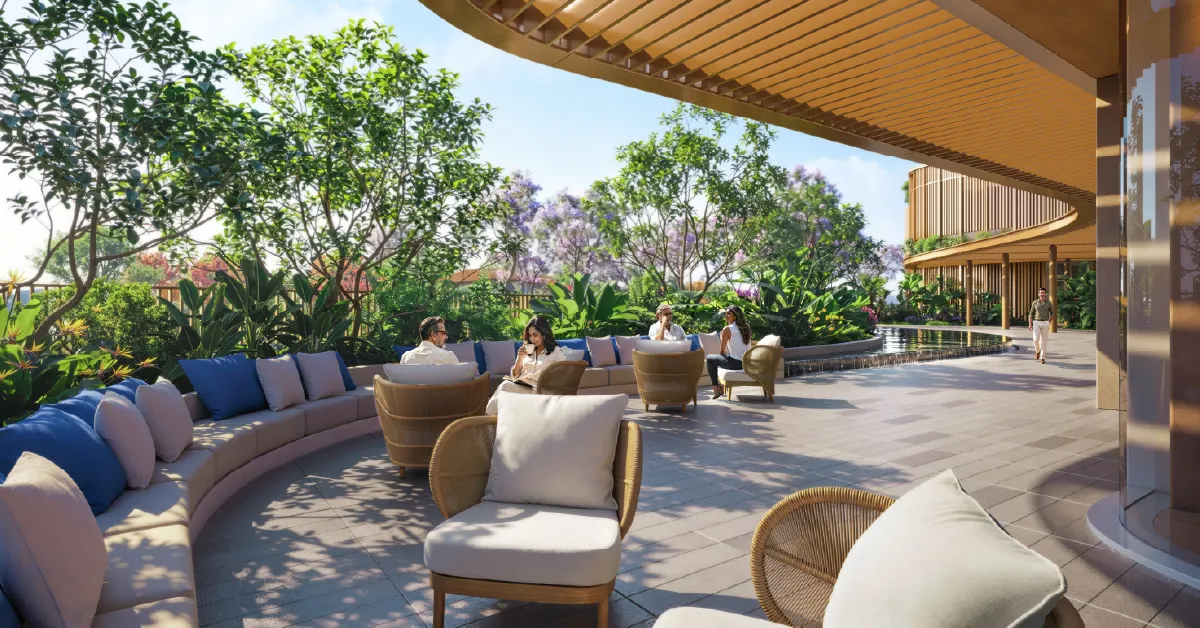
A location that keeps routine support, everyday conveniences, and cultural spaces within easier reach allows life to open up again. A resident can spend energy on a morning walk, a conversation with a peer, or a quiet afternoon, instead of on the mechanics of getting from one place to another.
Choosing a home in later life is not only about where a person lives. It is also about how much effort the setting quietly asks of them, and how much ease it gives back.
This understanding forms the foundation of DLF’s approach to luxury retirement housing. The intent is not to redefine how older adults live. It is to provide a setting that makes it easier for them to continue living as they choose, with independence intact and reassurance close by.
When thoughtful architecture and proximity to care work quietly together, the result is felt in simple ways. Less energy is spent navigating distance. Less thought is given to coordination. And home begins to do what it should have done all along: support life, instead of quietly asking more from it.
Disclaimer: This blog has been written exclusively for educational purposes. The information mentioned are only examples and not recommendations. It is based on several secondary sources on the internet and is subject to changes. Please consult an expert before making related decisions.