A home purchase often carries different meanings for different families.
For defence personnel, it may mark the transition from years of postings to a permanent family address. For NRIs, it may create a lasting connection with India, support parents, or prepare for a future return.
Both decisions demand clarity. The home must work across changing family needs. The location must support everyday life. The developer, documentation, and larger neighbourhood must inspire confidence even when the buyer is managing the purchase from another city or country.
Set near the Shivalik foothills, The Valley Orchard by DLF brings premium low-rise residences into the wider DLF Valley township in Panchkula. Its 3 BHK and 3 BHK + Study homes combine open planning, privacy, green outlooks, and access to a larger residential framework.
For buyers comparing apartments in Panchkula, the strength of the address lies in how these elements come together.
Panchkula offers a combination of planned urban structure, Tricity connectivity, social infrastructure, and proximity to the Shivalik foothills.
For defence families familiar with Chandigarh and the surrounding region, the location may already carry a degree of recognition. For NRIs, Panchkula provides access to an established urban network while retaining a distinct residential character.
The city supports several practical priorities:
The Valley Orchard builds on these strengths through low-rise planning and the confidence of a DLF-backed address.
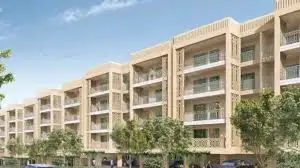
The Valley Orchard offers 3 BHK and 3 BHK + Study residences within a basement + stilt + four-floor format.
Open-plan living and dining areas create a central space for family time. Bedrooms support comfort and privacy. Deck spaces extend the residence towards open green outlooks, while the study in select layouts can support work, learning, reading, or guests.
The configurations respond to different family requirements.
A 3 BHK residence can support a family seeking a primary home in Panchkula. The 3 BHK + Study adds flexibility for remote work, children’s learning, visiting family members, or changing household routines.
For defence personnel approaching a permanent posting or retirement, and for NRIs planning extended stays or a future return, this flexibility can carry long-term value.
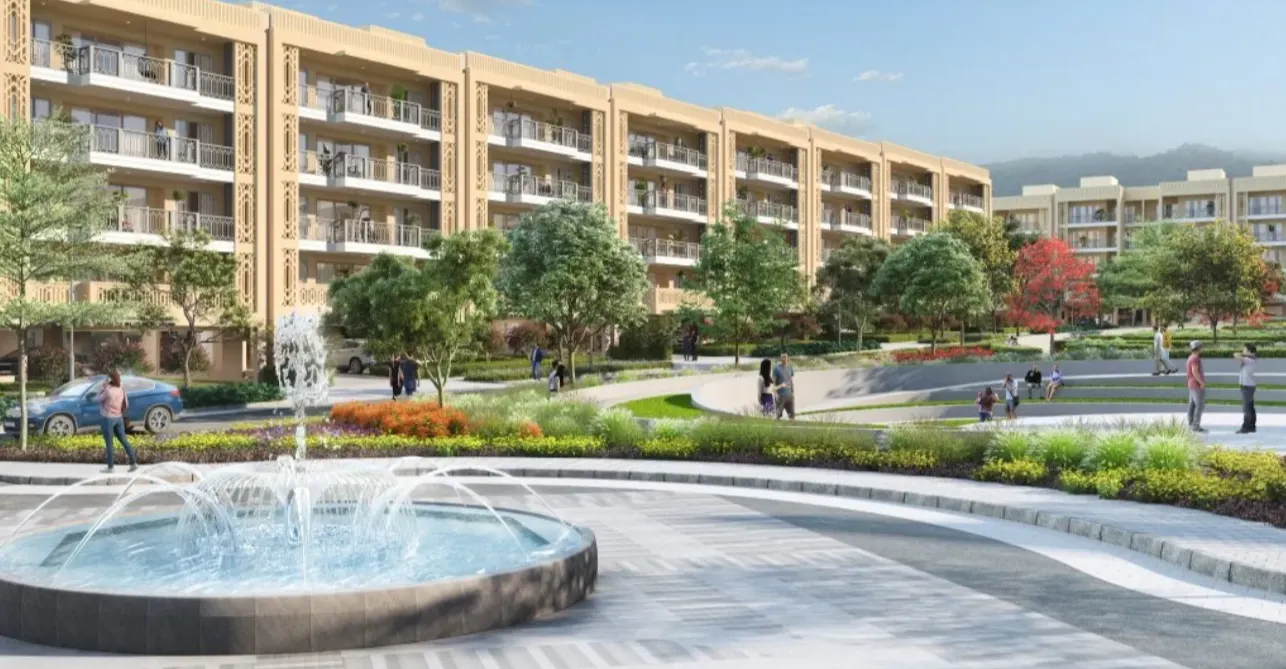
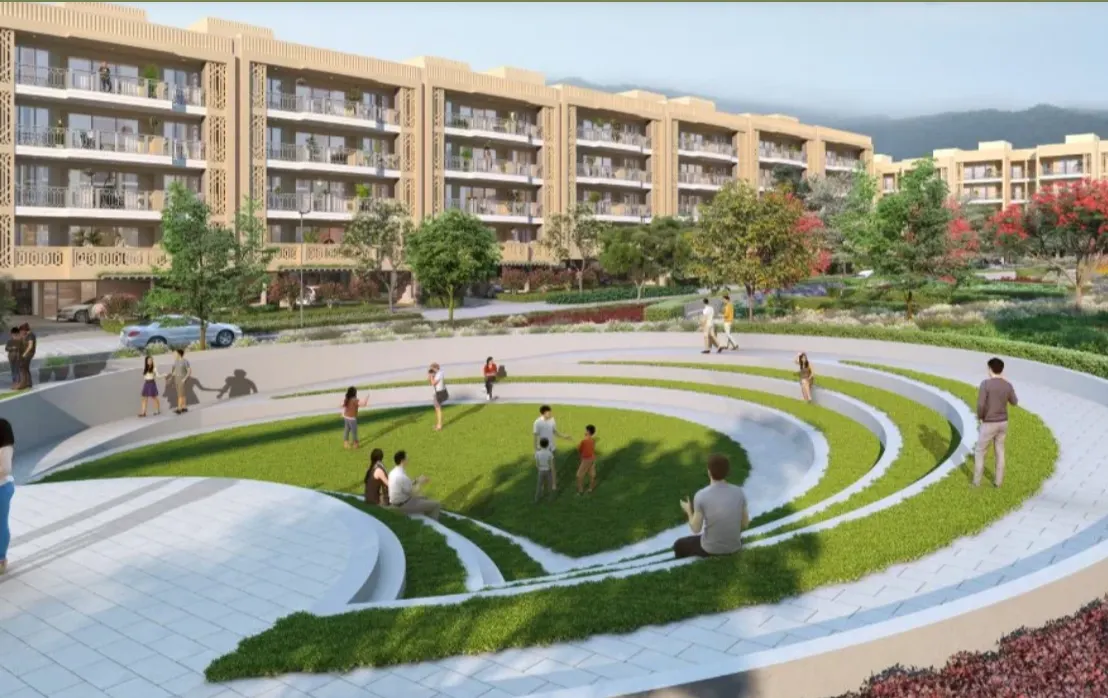
The low-rise format gives The Valley Orchard a more human residential scale. Homes remain closer to landscaped surroundings, and community spaces stay connected to everyday movement.
The absence of back-to-back homes is one of the project’s most important planning features.
These benefits come from the masterplan itself. They shape how the residence works through the day and how it continues to serve the family over time.
A serious buying decision must consider the life around the home as carefully as the home itself.
The Valley Orchard is supported by the wider planning of the DLF Valley township, which brings schools, marketplace access, community spaces, and useful connections into the larger residential framework.
The upcoming Valley Central is proposed to introduce retail, leisure, and business spaces as an adjacent commercial development. The Valley Club adds fitness, sport, dining, and leisure near the project. A proposed medical facility forms part of the wider planning.
For defence and NRI families, this structure matters. It supports children’s routines, household requirements, recreation, and family time within a connected neighbourhood.
Distance makes transparency especially important.
A buyer managing the decision from another posting or another country needs clear project information, documented commitments, and a reliable point of contact. The Valley Orchard’s HARERA registration gives buyers a formal regulatory reference point when reviewing approved project details.
DLF’s long-standing presence adds further confidence for families making a substantial, long-term commitment.
Buyers should still review the applicable documents carefully, verify current availability, and seek independent legal, tax, and financial advice where required. For NRIs, this should include advice relevant to their residency status, payment structure, taxation, and applicable property regulations.
The Valley Orchard can support several ownership needs.
For a serving defence family, it may provide a long-term family base. For former personnel, it may offer a permanent address after years of mobility. For an NRI family, it may serve parents today and become a future India home later.
The 3 BHK and 3 BHK + Study formats give families room to adapt. The low-rise planning supports privacy and open views. The DLF Valley township brings daily structure around the residence.
This makes the project relevant for buyers seeking a home with immediate usability and long-term family purpose.
1. What types of residences are available at The Valley Orchard?
Ans: The Valley Orchard offers 3 BHK and 3 BHK + Study residences planned around open layouts, deck spaces, privacy, natural light, and modern family routines.
2. Why should NRIs consider The Valley Orchard?
Ans:The project offers a DLF-backed low-rise address in Panchkula, flexible family configurations, access to the wider DLF Valley township, and HARERA visibility. NRIs should obtain independent advice on legal, tax, and payment matters before purchasing.
3. Is The Valley Orchard suitable for defence personnel?
Ans: The project can suit serving and former defence personnel seeking a permanent or long-term family home with Tricity access, low-rise planning, open surroundings, and community support.
4. Does The Valley Orchard have back-to-back homes?
Ans: No. The absence of back-to-back homes supports greater privacy, natural light, open views, and a stronger connection to the surrounding landscape.
5. What supports everyday life around the project?
Ans:The wider DLF Valley township brings access to schools, marketplace conveniences, community spaces, and useful connections. The Valley Club and the upcoming Valley Central add leisure, recreational, retail, and business support near the project.
6.Is The Valley Orchard HARERA registered?
Ans:Yes. HARERA registration provides buyers with a formal regulatory reference point for reviewing approved project information and commitments.
7. What should buyers verify before making a decision?
Ans:Buyers should review the masterplan, current phase availability, approved project documents, payment terms, applicable charges, and legal or tax implications relevant to their circumstances.
To explore the masterplan, review current phase availability, or arrange a private orientation, connect with the DLF client team.
Note: The Valley Club is near the project and outside the project offering. Membership charges, security deposits, user charges, and terms apply. The Valley Central is an adjacent commercial development and sits outside the project. The proposed medical facility forms part of the wider planning and should be read as proposed. Buyers should seek independent legal, tax, financial, and regulatory advice before making a purchase decision.