In Mumbai, vertical living changes the daily operating condition of a home.
A tall residence is valued for more than height. It changes how light enters, how far the eye travels, how open the room feels, and how efficiently the home separates private life from the pressure of the street below.
These vertical living benefits matter sharply in Andheri West, where density, traffic, and constant movement shape the daily experience of the suburb. A well-planned high-rise home gives the resident a more efficient relationship with the city, without losing access to it.
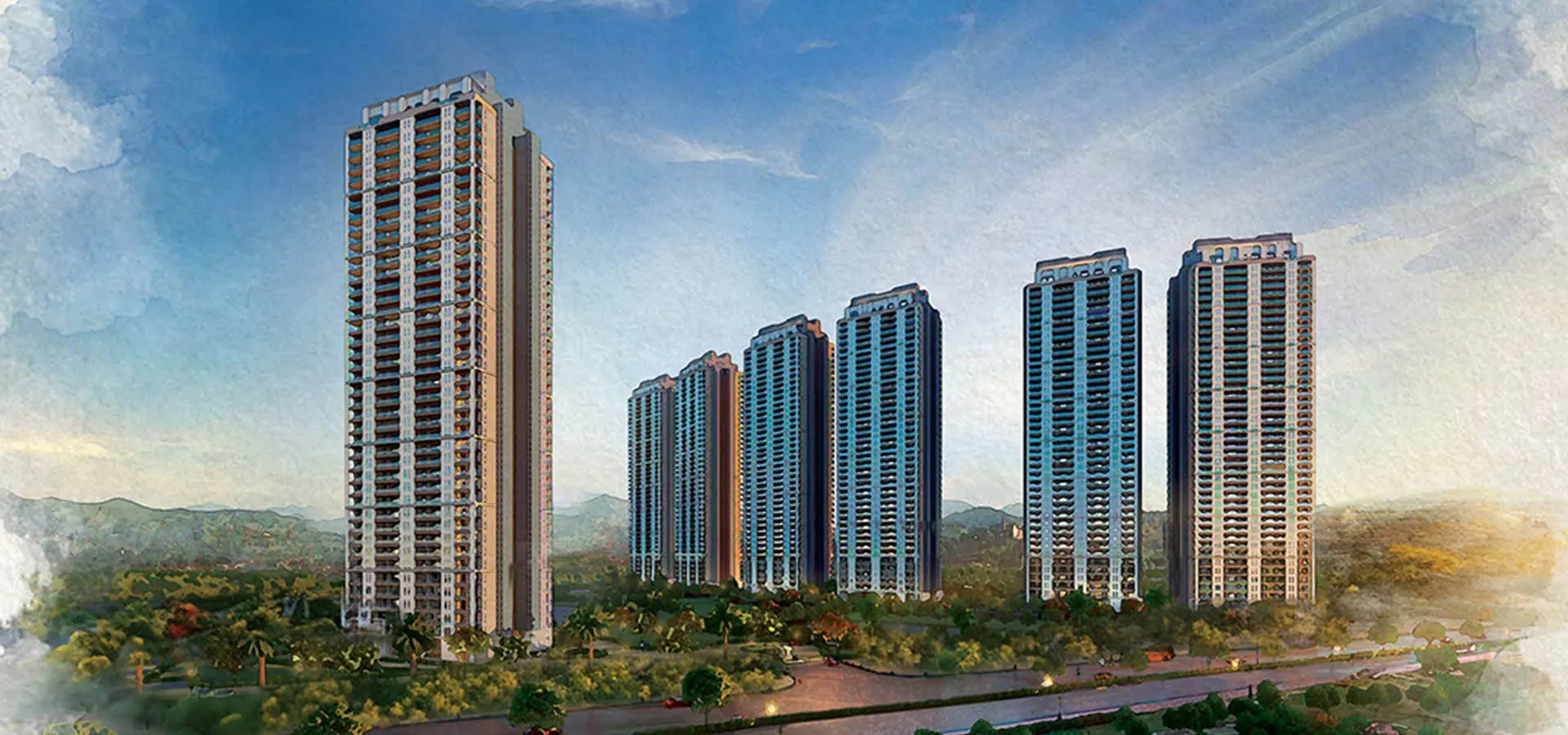
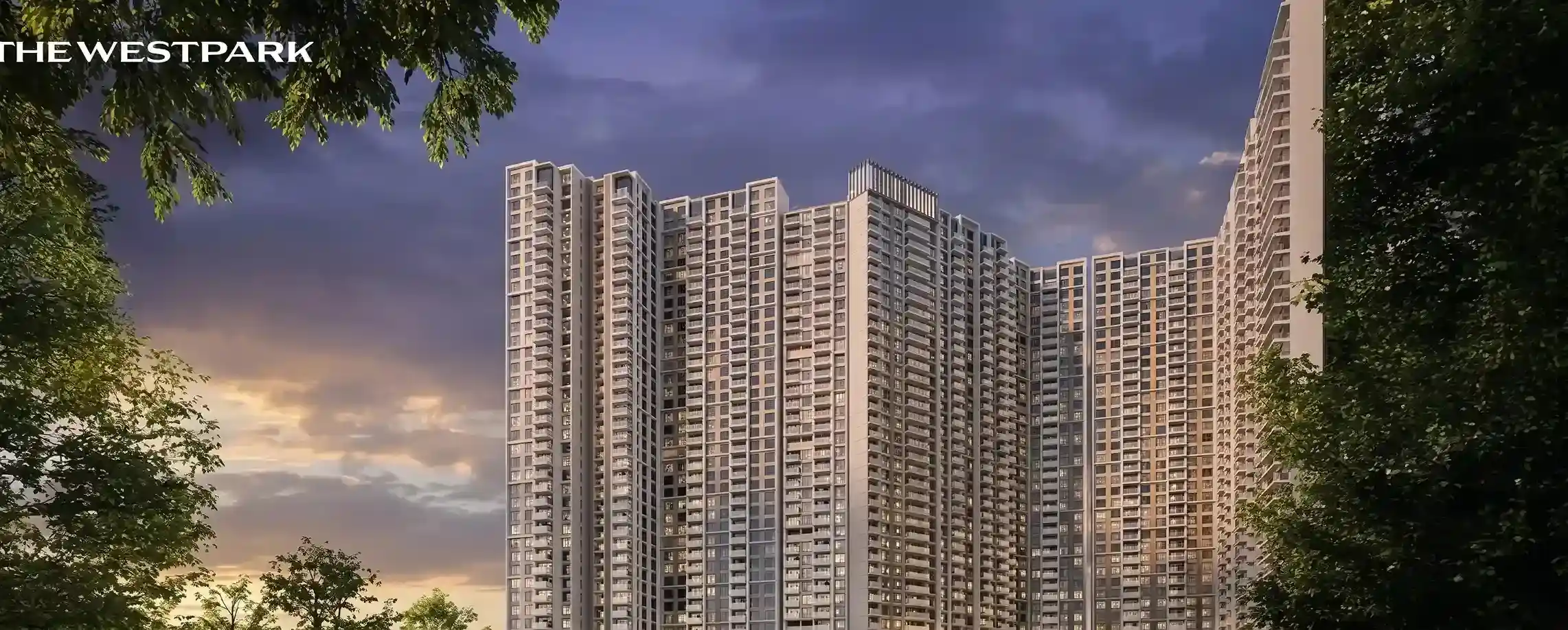
At The Westpark, this advantage is shaped through expansive glazing profiles, soaring ceilings, glass-balustrade balconies, and elevated residences that allow light, air, and views to become part of the asset.
A well-lit home functions with far greater efficiency.
Abundant natural light expands the utility of the floor plan, bringing clarity to work corners while allowing focused work, family routines, and evening hosting to occupy the same space with less visual strain.
At The Westpark, expansive glazing profiles allow light to enter with scale, while soaring ceilings give that light more vertical volume inside the residence. Refinement begins with architecture rather than finishes. The buyer is paying for how the room performs across the day.
Mumbai homes often carry the pressure of their surroundings indoors.
Adjacent towers, narrow setbacks, and crowded public edges can make even a large apartment feel visually compressed. Vertical living reduces that pressure by lifting the residence above the most crowded layer of the city.
At The Westpark, height works with large, glazed openings and balcony edges to create a wider visual field. The room does not end abruptly at a blocked view. It seamlessly integrates with the private deck, extending the living space outward toward the open skyline. Openness at this level is spatial geometry, with direct impact on how the home functions during long workdays, family routines, and evening use.
In Mumbai, air and ventilation cannot be reduced to vague promises.
True vertical luxury must be grounded in structural reality: façade design, spatial geometry, and the threshold between the interior and the exterior. These elements decide whether a residence feels closed or open in daily use.
At The Westpark, expansive windows and glass-balustrade balconies give the home a clearer relationship with the outside. The balcony becomes a usable edge, while the larger openings allow the interior to feel less sealed from its setting. The stronger promise is controlled openness, created through structure rather than styling.
A wider view changes how the city is experienced from inside the home.
At street level, Andheri West arrives as commercial towers, transit corridors, and close-range traffic. From an elevated residence, the same city falls into a larger order. The eye travels farther, visual clutter reduces, and the room gains distance from the immediate public layer below.
A wider visual frame also changes the room’s utility. The day begins without the immediate compression of the street, allowing the resident to prepare for the schedule ahead without absorbing the city’s friction first. In the Mumbai market, visual distance translates directly into commercial weight.
The strongest high-rise homes do more than offer views: they make the floor plan work better.
When paired with structural elevation, a sunlit living room serves multiple functions across the day, a balcony becomes a genuine extension of the floor plan, and a dining area commands far more presence during evening hosting.
At The Westpark, vertical living strengthens these daily functions through elevation, glass, volume, and balcony design. The home gains a stronger internal operating logic.
The real test of vertical living is repetition.
From the first morning call to evening hosting and late returns from the city, vertical living proves its worth through the way it absorbs the demands of a high-pressure schedule.
A tall, well-planned home improves these moments through consistent architectural advantages: more light, wider outlooks, and a seamless relationship between the interior and the city outside.
In Andheri West, where urban pressure is constant, these qualities carry lasting relevance because they belong to the structure of the residence.
The next chapter of high-rise living in Mumbai will be judged by performance.
Elevation alone is no longer enough; height must actively generate light, decks must deliver usable outdoor connection, and spatial volume must improve how a room functions across the schedule.
At DLF, The Westpark, vertical living is positioned through clear architectural advantages: expansive glazing profiles, soaring ceilings, glass-balustrade balconies, and elevated residences that give the home a stronger relationship with light, air, and sweeping views.
For buyers looking at luxury real estate in Andheri West, the premium lies in how the residence performs every day. The best vertical homes rise above the city and make daily life work with more control.
Note: Amenities, landscaped areas, club and recreation spaces, specifications, phases, timelines, and access details are subject to applicable approvals, completion status, and user terms. Please refer to official project collateral for final details.