


-
 122
- Posted in October, 2026
DLF Cyber City Chennai: A Guide to Its Enterprise Office Ecosystem
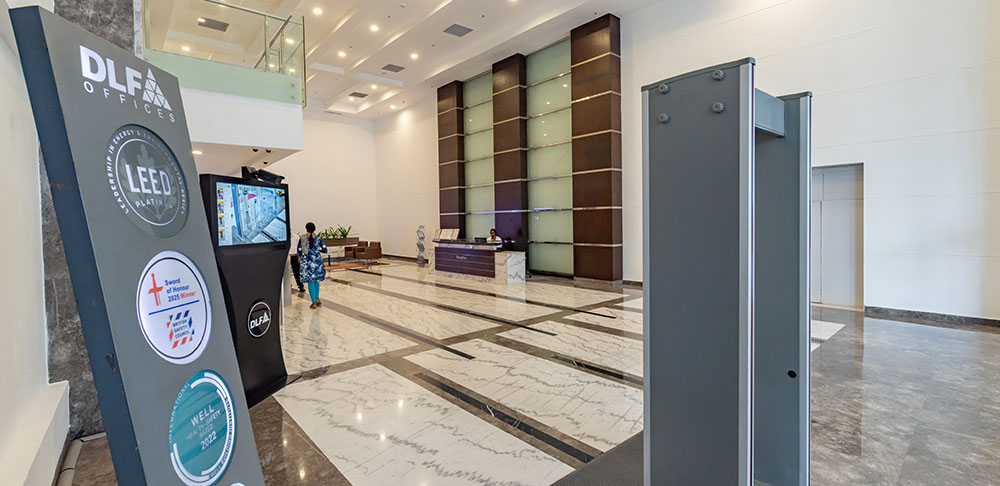
The DLF Cyber City Chennai office space represents a distinct positioning in India's commercial real estate market. It is not simply another office park or collection of buildings. It is an integrated enterprise ecosystem designed from inception to support Global Capability Centres, multinational operations, and large-scale technology teams at emerging-location cost structures. Organisations evaluating commercial office space Chennai face a choice between established locations (premium cost, proven infrastructure) and emerging alternatives (cost advantage, developing ecosystem). Understanding what differentiates an emerging ecosystem from a collection of buildings determines whether the location enables organisational success or creates operational constraints.
Most organisations approach emerging locations cautiously because infrastructure maturity is unproven. But the most successful location strategies recognise that emerging ecosystems offer cost-performance alignment that mature, high-cost locations cannot match. An organisation committing to a multi-year presence in an emerging location while that location matures positions itself advantageously for long-term operations and growth.
DLF Cyber City Chennai in Manapakkam exemplifies this opportunity. Understanding its ecosystem positioning, infrastructure capabilities, and growth trajectory is essential for organisations evaluating Grade A+ office space Chennai alternatives to established zones.
Enterprise Campus Infrastructure at Emerging-Location Cost
DLF Cyber City Chennai office space operates as an integrated enterprise campus explicitly designed for large-scale operations. The positioning is distinct from single-building developments or cost-focused commodity offices. It is purpose-built infrastructure for multinational and large Indian organisations seeking professional-grade facilities at costs lower than established zones.
The campus provides multi-tower scalability, enabling organisations to grow from launch occupancy to mature scale within campus boundaries, avoiding the disruption and cost of mid-lease relocation. Power redundancy and climate control enable 24x7 operations capability for continuous business support. Professional amenity ecosystems reduce daily workplace friction and support employee retention at scale. Enterprise-grade connectivity meets multinational corporate standards for data transfer, distributed team operations, and critical business functions. Segregated security zones support confidentiality and regulatory requirements for multi-client operations.
This infrastructure is typically available only in established, high-cost locations like Tharamani. DLF Cyber City Chennai delivers comparable infrastructure at emerging-location pricing, creating cost-performance alignment that justifies long-term investment for organisations willing to locate in developing ecosystems. The value proposition is clear: Grade A infrastructure at emerging-location cost during the period when the location is maturing creates an economic advantage that disappears once the location reaches full maturity.
Grade A Specifications and Infrastructure Quality
Grade A+ office Space Chennai at emerging locations requires explicit commitment to infrastructure standards. Cost advantage should not mean infrastructure compromise. DLF Cyber City Chennai demonstrates this principle through Grade A specifications across multiple dimensions:
- Structural systems: Modern construction meeting current building codes, flexible floor plates enabling space reconfiguration as organisational needs change.
- Mechanical systems: High-efficiency HVAC systems, MERV-14 air filtration supporting occupant health at scale, variable systems adapting to occupancy patterns.
- Electrical systems: Redundant power distribution, backup generator capacity, dedicated circuits for critical systems, capacity for future technology loads.
- Digital connectivity: High-capacity fibre, redundant internet service providers ensuring no single point of failure, enterprise-grade Wi-Fi covering all campus areas.
- Security systems: Modern access control, surveillance infrastructure, trained security operations, compliance with multinational corporate standards.
- Building management: Real-time monitoring of mechanical, electrical, and operational systems enabling preventive maintenance and continuous optimisation.
Grade A specification at emerging-location cost reflects efficient execution rather than infrastructure compromise. Organisations benefit from modern infrastructure without the cost burden of established-zone premiums. This positioning creates sustainability: as organisations build operations during the emerging phase, they enjoy cost advantages that fund team expansion and capability development.
Campus-Scale Amenity Ecosystem
An enterprise campus supporting 500 to 2,000 person operations requires on-campus amenities that single buildings cannot economically provide. Corporate Office Space Chennai India at large campuses addresses this requirement explicitly. DLF Cyber City Chennai integrates amenity infrastructure supporting large operations through multiple food courts; casual and fine dining restaurants supporting diverse preferences; comprehensive wellness facilities supporting employee health and retention; professional meeting facilities supporting client interactions; convenience stores and salon services reducing daily commute friction; medical facilities supporting employee health during extended occupancy; and an on-campus crèche supporting working parents.
This integrated amenity ecosystem is designed into the campus master plan. It functions seamlessly as organisations scale occupancy. Employees access services without leaving campus, improving daily satisfaction and retention during multi-year tenures. The distinction between bolted-on amenities and integrated ecosystem services is significant. Integrated amenities are economically viable and operationally seamless. Ad-hoc additions are expensive and underutilised. A campus designed around occupant needs from inception delivers superior workplace experience at mature scale.
Connectivity and Location Positioning
Emerging locations often lack immediate infrastructure maturity, but planned development creates future advantage. DLF Cyber City Chennai in Manapakkam benefits from explicit infrastructure planning addressing the location's future trajectory. Multi-lane access to main corridors and planned road widening support growing traffic as the area develops. Bus network coverage provides current transit access while planned metro expansion (2027-2030 timeframe) dramatically enhances future accessibility. Reasonable airport proximity enables executive mobility and client visits. Growing technology company concentration in the area creates emerging ecosystem density. Residential, retail, and commercial development supporting balanced urban growth indicates long-term location viability.
An organisation committing to the Manapakkam location while metro expansion occurs benefits from accessibility improvements during the GCC lifecycle. The location becomes more attractive, not less, as infrastructure develops. This positioning differs fundamentally from locations that peak early and decline. Emerging locations selected position organisations for advantage deliberately as the ecosystem matures.
Cost-Performance Positioning for Long-Term Operations
The fundamental advantage of DLF Cyber City Chennai office space is a cost structure enabling profitable long-term operations. Organisations making multi-year commitments benefit from:
- Lower headline rent (20 to 30% cost advantage over established zones like Tharamani).
- Competitive maintenance charges reflecting professional facility management without a premium cost burden.
- Predictable escalations structured to enable financial modelling and planning certainty.
- Long-term value appreciation as the location matures and amenities develop.
An organisation occupying emerging-location space during maturation builds organisational capability during the most cost-efficient period. By the time the location reaches peak maturity, the organisation has already built teams, established client relationships, and achieved operational scale. Future organisations entering the market will pay higher costs. The first movers enjoy sustained cost advantage throughout the GCC lifecycle. This economic pattern holds across emerging markets globally: early entrants during the development phase achieve superior cost-performance compared to late entrants arriving after maturation.
Scalability and Growth Planning
Large-scale operations require infrastructure enabling headcount growth without forced relocation. DLF Cyber City Chennai provides campus infrastructure supporting phased expansion where organisations launch in the initial tower and expand to adjacent towers as growth occurs. All towers function as a single operational entity, not separate properties. Expansion maintains infrastructure standards, amenity ecosystem, and operational consistency. Campus-scale parking and transportation infrastructure accommodate mature headcount and vehicle volumes.
This scalability is essential for organisations planning five-to-seven-year GCC lifecycles. A location accommodating growth from launch to mature scale without relocation eliminates the disruption and cost that mid-scale relocation creates. Single-building competitors either impose expansion ceilings forcing external leasing or face the productivity loss that relocation triggers. Campus infrastructure at emerging-location cost delivers scalability that premium-cost established-zone campuses provide without the premium pricing.
Emerging Ecosystem Advantages
Established locations have proven infrastructure and mature ecosystems. But they also have high costs and congested geography that increase with each organisation added to the zone. Emerging locations like Manapakkam offer distinct advantages that mature zones cannot replicate. A campus designed as an integrated ecosystem benefits from greenfield development rather than retrofitted, older development. Room for expansion exists without competing for limited available capacity. Emerging-location pricing enables capital allocation to operations rather than real estate premiums. A location positioned to become a major technology employment cluster creates long-term value appreciation for early occupants.
An organisation committing to an emerging location during the development phase positions itself for favourable economics during maturation. This is not a compromise choice. It is a strategic positioning recognising that cost efficiency during the build-up phase funds operational capability development that premium-cost locations cannot afford. Organisations competing on talent, capability, and client delivery benefit from occupying emerging locations while costs remain favourable, then leveraging those cost advantages for strategic investment.
Strategic Positioning for Enterprise Operations
DLF Cyber City Chennai represents a deliberate positioning within India's commercial real estate market. It is not Bangalore's high-cost premium positioning. It is not peripheral discount positioning. It is professional-grade enterprise infrastructure at an emerging-location cost structure. DLF Offices operates DLF Cyber City Chennai with the understanding that organisations making long-term commitments value cost-performance alignment, modern infrastructure, and ecosystem maturity potential.
The campus provides infrastructure enabling competitive operations at cost structures, enabling profitable GCC investment across multi-year life cycles. An organisation evaluating enterprise office options should assess whether a cost-efficient emerging-location ecosystem aligns with strategic objectives or whether premium-cost established-location positioning is required. For many organisations, the cost advantage of emerging-location infrastructure during maturation creates superior long-term outcomes compared to premium-cost alternatives that never benefit from cost appreciation.
Explore DLF Cyber City Chennai, where Grade A+ enterprise infrastructure, integrated campus ecosystem, and cost-performance alignment enable profitable long-term global operations.
FAQs
DLF Cyber City Chennai, offers a a 20-30% cost advantage with Grade A infrastructure and campus-scale amenities. Tharamani offers established ecosystem maturity and proven infrastructure. Choice depends on cost priority versus maturity certainty.
Current transit includes buses and roads. Planned metro expansion (2027+) dramatically enhances future accessibility. Organisations committing during development benefit from accessibility improvements during the GCC lifecycle.
Yes. Campus-scale infrastructure supports growth from launch occupancy across multiple towers. Integrated campus design maintains cohesion without forced relocation as headcount grows.
On-campus food services, wellness facilities, business centres, retail, medical services, and childcare support 500 to 2,000 person operations. Integrated amenity ecosystem reduces daily workplace friction, improving retention.
Cost advantage during GCC build-up enables capital allocation to operations and team expansion. Long-term positioning in developing locations creates value appreciation as the ecosystem matures. Emerging locations suit organisations prioritising cost-performance over infrastructure maturity certainty.
