


-
 78
- Posted in November, 2026
DLF Cyber City Chennai Connectivity Guide: Airport, Metro and Business Corridors
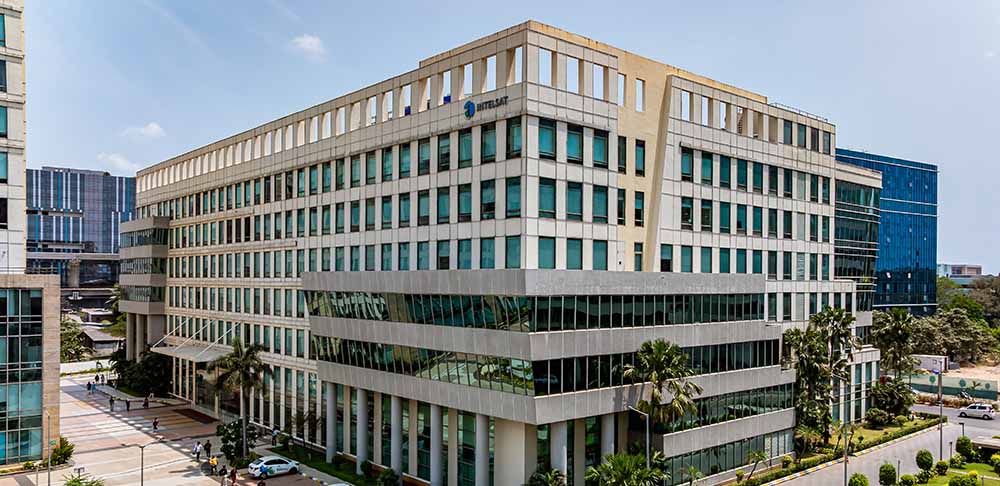
The DLF Cyber City Chennai location determines whether an organisation can effectively serve global clients, coordinate with headquarters, and recruit talent without excessive commute friction. Most companies evaluate connectivity superficially: distance to airport and proximity to main roads. But effective connectivity is layered. It includes immediate transport access, future infrastructure positioning, proximity to residential talent clusters, and seamless integration with business corridors serving the city's economic centres.
DLF Cyber City Chennai in Manapakkam sits at the intersection of these connectivity layers. The location provides current accessibility through multiple transit routes while positioning the organisation for enhanced connectivity as Chennai's infrastructure develops. Understanding this multidimensional connectivity determines whether the location enables operational efficiency or creates commute friction that compounds into retention challenges and recruitment constraints.
The organisations that understand this layered connectivity framework make better location decisions than those evaluating distance alone.
Airport Connectivity and International Access
Global Capability Centres and multinational operations require convenient airport access for executive travel, client visits, and organisational coordination across geographies. The DLF Cyber City Chennai location provides an approximately 25 to 30 kilometer distance to Chennai International Airport, translating to roughly a 45 to 60 minute commute depending on traffic conditions.
This connectivity enables multiple operational patterns. Executive teams visiting from the US or European headquarters can reach the facility within one hour from touchdown, enabling same-day meetings and efficient site visits. Client teams arriving from international locations can travel directly to the campus without extended delays. Organisational personnel travelling internationally can depart for the airport within a reasonable timeframe without excessive early departure requirements.
The airport distance is competitive compared to alternative Chennai locations. Downtown or OMR corridor properties typically face similar or longer commute times due to city traffic patterns. The key advantage is direct connectivity through established roads without requiring navigation through congested downtown corridors. The Manapakkam location benefits from Chennai-Bangalore Highway proximity, enabling direct airport access via outer-city corridors rather than downtown congestion.
Metro Network Access and Future Expansion
Office space near Metro Station Chennai evaluations typically focus on current metro proximity. But forward-looking connectivity assessment recognises that metro expansion shapes future accessibility more significantly than current positioning.
DLF Cyber City Chennai benefits from planned metro expansion:
- Current Transit: Multiple bus routes serve the location through established networks, providing daily commute options for employees without personal transport
- Planned Metro Access: Madhavaram-Sipcot metro corridor (opening projected 2027-2030) will position the campus within direct metro access, dramatically enhancing connectivity for 60-70% of Chennai's technology talent clusters
- Transit-Oriented Development: Metro expansion typically triggers development of mixed-use facilities (retail, residential, services) around stations, creating an emerging ecosystem around the campus
- Commute Time Reduction: Metro access will reduce commute time from 45 to 60 minutes (current road transit) to approximately 30 to 40 minutes, improving talent accessibility and retention significantly
- Infrastructure Certainty: Metro planning is officially documented with construction phases and projected completion, providing certainty that the current peripheral location becomes central within the GCC lifecycle
An organisation committing to DLF Cyber City Chennai during the pre-metro development phase benefits from accessibility transformation during the GCC growth years. By the time the GCC reaches mature scale (1,500+ employees), metro connectivity will be operational, enabling efficient employee commuting that road-based transit cannot match. This forward-looking positioning differentiates emerging-location strategy from established-zone commitments.
Residential Talent Cluster Accessibility
Talent accessibility determines GCC recruitment capability and retention sustainability. Office space in Manapakkam Chennai sits within reasonable proximity to multiple residential clusters where technology professionals concentrate.
The location provides access to Manapakkam residential areas (adjacent proximity), Tambaram corridors (15 to 20 minute commute); Velachery clusters (25 to 30 minute commute); and emerging residential developments around the location attracting technology professionals. This geographic distribution means recruitment is not constrained by single-cluster dependency. As the organisation grows, employees can commute from multiple residential areas, creating talent pool diversity.
The emerging residential development pattern around Manapakkam creates an additional advantage. As the area develops, residential options proximate to the campus will mature, enabling talent to locate near work. This reduces average commute times as the ecosystem develops, improving retention and recruitment efficiency during the GCC scaling phase.
Business Corridor Connectivity and Operational Access
Multinational operations require access to business services, consulting expertise, specialised vendors, and ecosystem partners that isolated locations cannot provide. Commercial office space Chennai positioned within business corridors gains immediate ecosystem access.
DLF Cyber City Chennai benefits from positioning within the emerging Manapakkam business cluster where technology companies, service providers, and specialised vendors are concentrating. The location's proximity to the OMR corridor (approximately 15 to 20 kilometres) provides access to the established technology ecosystem when specialised expertise or client services require corridor-level resources. This dual positioning (emerging local cluster plus established corridor access) provides both current service access and long-term ecosystem growth.
Chennai-Bangalore Highway Access and Regional Connectivity
Corporate Office Space Chennai India serving organisations with operations across multiple cities requires efficient regional connectivity. DLF Cyber City Chennai provides direct Chennai-Bangalore Highway access, enabling efficient travel to:
- Bangalore technology hubs: 3 to 4 hour drive, enabling day visits and periodic team coordination with Bangalore operations
- Regional client locations: Manufacturing facilities, secondary market offices, and regional operations accessible via highway corridors
- Supply chain logistics: Companies requiring supply chain access to Bangalore-region vendors and partners can efficiently coordinate
This regional connectivity is operationally valuable for organisations with multi-city presence or supply chain dependencies spanning southern India. The direct highway access means executives and teams can travel efficiently without downtown navigation friction.
Workplace Amenities and Operational Ecosystem
DLF Cyber City Chennai integrates facilities supporting large-scale operations where teams spend extended hours. Rather than scattered external services requiring campus departure, the location provides on-site food and dining supporting multiple preferences: casual food courts addressing quick lunch needs, fine dining restaurants supporting client entertainment and formal meals, speciality cafes providing beverage and snack options supporting focused work periods.
Wellness and health support is embedded into campus operations through comprehensive fitness facilities enabling employee health maintenance during multi-year tenures; a medical centre providing immediate health support and emergency response capabilities; and wellness programmes reducing occupant dissatisfaction during extended work periods. These facilities are integrated infrastructure, not afterthoughts, enabling seamless employee support at scale.
Professional meeting infrastructure supports client hosting and business coordination through multiple meeting facilities accommodating diverse formats (team meetings, boardroom presentations, and client demonstrations); a business centre providing administrative support and printing services; and professional workspace supporting focused work. These facilities communicate organisational credibility to visiting clients and executives, serving business development functions alongside operational needs.
Daily convenience infrastructure reduces workplace friction through retail services addressing immediate needs, salon services reducing external time commitments, and childcare facilities enabling working parents to manage family responsibilities without daily external coordination. These services appear minor individually but compound into significant retention and satisfaction impact during extended organisational tenures.
Layered Connectivity Supporting Operational Efficiency
The DLF Cyber City Chennai location provides multidimensional connectivity, addressing current operational requirements while positioning for enhanced accessibility as Chennai's infrastructure develops. The location is not optimal on any single connectivity dimension. But the combination of airport access, planned metro expansion, talent cluster proximity, business corridor connectivity, highway access, and integrated workplace amenities creates a comprehensive location strategy supporting GCC and multinational operations at emerging-market cost structures.
Organisations evaluating office space in Manapakkam Chennai should assess whether layered connectivity addressing current and future requirements aligns with operational needs. The location enables efficient operations today while promising enhanced accessibility as infrastructure develops, creating long-term value for organisations committing to multi-year presence.
View DLF Cyber City Chennai location details, where multidimensional connectivity supports efficient operations, talent accessibility, and client coordination across current and future infrastructure positioning.
FAQs
Approximately 25-30 kilometres, translating to 45-60 minutes depending on traffic. Direct access via outer corridors avoids downtown congestion typical of downtown or OMR locations.
Madhavaram-Sipcot corridor opening is projected for 2027-2030. When operational, the metro will reduce commute times to approximately 30-40 minutes, dramatically enhancing accessibility for talent clusters.
Manapakkam (adjacent), Tambaram (15-20 minutes), Velachery (25-30 minutes), and emerging residential developments around the location. Geographic diversity prevents single-cluster dependency.
Yes. Direct Chennai-Bangalore Highway access enables 3-4-hour drives to Bangalore, supporting periodic team visits and multi-city operations coordination.
On-site food courts, fine dining, fitness facilities, a medical centre, wellness programmes, meeting facilities, retail services, a salon, and childcare. Integrated amenities reduce daily external dependencies.
