


-
 853
853 - Posted in August, 2026
GCC Office Space in India: What Global Teams Should Look For
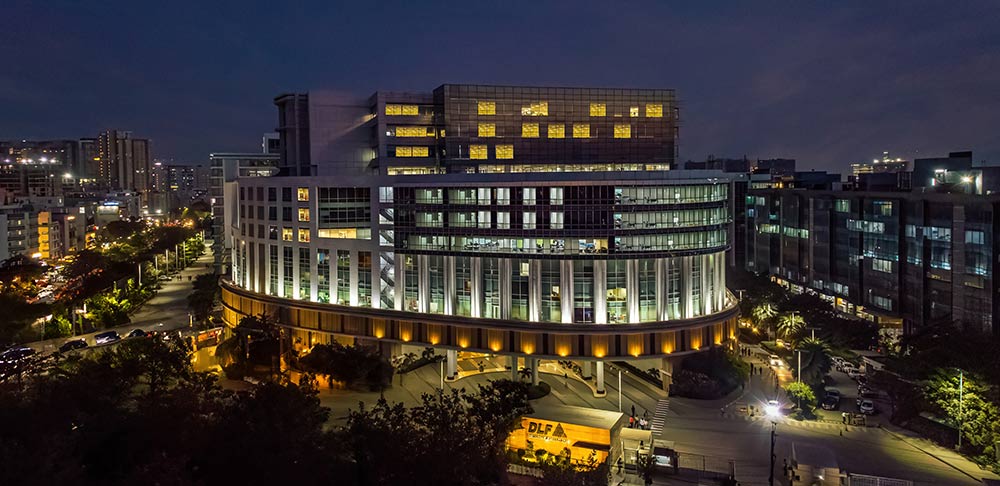
Setting up a global capability centre in India is rarely as straightforward as finding a building and signing a lease. The decision involves talent pipelines, regulatory requirements, infrastructure quality, room to scale, and the kind of workplace environment that retains the engineers, analysts, and strategists that GCCs are specifically built to attract. Get any one of these wrong, and the operational efficiencies that made India an obvious choice start to erode quickly.
What makes the real estate decision particularly consequential is that GCCs are not temporary outposts. They are long-horizon commitments, often housing hundreds or thousands of employees across specialised functions. The office space they occupy shapes hiring outcomes, productivity, team culture, and the perception of the parent organisation. For global teams evaluating India as a destination, the question is not simply where to lease. It is the kind of environment that will allow the centre to perform at the level the headquarters expects.
Why the GCC Model Places Unusual Demands on Office Space
Most commercial tenants need a functional, well-located workspace. GCCs need considerably more. They operate at the intersection of enterprise IT infrastructure, specialised talent, compliance obligations, and parent-company brand standards. A site that works adequately for a domestic business may fall significantly short of what a global team requires.
The scale ambition alone sets GCCs apart. Many centres begin with a defined headcount and expand within two or three years. This is not incidental growth. It is a planned expansion built into the original operating model. Office space for GCC in India must therefore accommodate both the day-one footprint and the eventual size, without forcing multiple relocations as the team grows.
There is also the matter of perception. When a global organisation establishes a capability centre in India, the facility it occupies communicates something to potential hires. In a competitive market for senior technical talent, the quality of the environment matters. Candidates with options are paying attention.
Location: The Variable That Shapes Everything Else
India's GCC landscape is concentrated in a small number of cities, and within those cities, the choice of micromarket has significant downstream effects. Access to talent, commute patterns, proximity to peer organisations, and connectivity to international airports all vary considerably across districts.
Gurugram, for instance, has developed into one of the most active GCC corridors in the country. The density of multinational occupiers in areas such as Cyber City and the Golf Course Road corridor reflects both infrastructure quality and the concentration of experienced professionals who already work in the zone. DLF Cyber City in Gurugram and Atrium Place on Golf Course Road offer exactly this kind of embedded advantage: they sit within established commercial districts where talent density, transport links, and amenity infrastructure have developed together over time.
Hyderabad's Gachibowli cluster draws significant GCC interest for similar reasons. DLF Cyber City Hyderabad in Gachibowli provides access to one of the city's deepest pools of technology and engineering talent in a micromarket that has matured substantially. Chennai, specifically the Tharamani corridor served by DLF Downtown Chennai, offers comparable advantages for organisations prioritising access to the city's established IT and engineering workforce.
Key location factors global teams should evaluate:
- Proximity to talent pipelines, including engineering colleges and experienced professional communities
- Road and metro connectivity for employee commutes
- Access to international airports for visiting leadership and clients
- Density of peer organisations in the micromarket, which correlates with talent familiarity
- Supporting infrastructure such as hotels, dining, and healthcare facilities nearby
What becomes apparent when examining India's leading GCC clusters is that location is not simply a matter of city. It is about the specific micromarket and whether that micromarket has the depth to support a long-term operation.
Scale and Flexibility: Planning for the Centre You Will Have, Not the One You Start With
One of the more common missteps in early GCC real estate decisions is calibrating space to current headcount rather than the trajectory over the next three to five years. Centres that begin with 200 employees frequently expand to 600 or more within a few years, driven by the success of the initial operation and the confidence that generates in headquarters.
Managed office space for GCC operations has grown in relevance for this reason. Rather than committing to a fixed floor plate that may become inadequate, organisations can structure arrangements that allow for incremental expansion within the same building or campus. This is not simply about square footage. It is about ensuring that scaling does not disrupt operations, fragment teams across locations, or compromise the environment the centre has built.
DLF's portfolio across cities like Noida (DLF Techpark Noida, Sector 143A on the Noida Expressway) and Chandigarh (DLF Techpark Chandigarh in IT Park) addresses the scale dimension through the sheer breadth and depth of campus environments. Large GCC tenants benefit from the ability to plan multi-year growth within a single developer relationship rather than navigating multiple landlords across fragmented markets.
Flexible office space for GCC teams also matters in a different sense: operational flexibility. The nature of GCC work has evolved. Hybrid working models, project-based collaboration, and the need to accommodate visiting executives from global headquarters all create demands that a rigid, uniform floor plate handles poorly. Space that can shift between collaborative and focused work modes, accommodate secure zones for sensitive functions, and integrate client-facing areas within the same footprint is now a genuine operational requirement.
Infrastructure Quality: What the Building Itself Must Deliver
When global teams speak about infrastructure, they often mean connectivity, power reliability, and the physical environment. All three carry significant weight for GCC operations, where system downtime or poor air quality can translate into measurable productivity loss.
The baseline expectations have risen considerably. LEED-certified buildings, MERV-14 air filtration systems, WiredScore Platinum certification for digital connectivity, and verified power backup systems are no longer exceptional features. For organisations accustomed to a certain standard at headquarters, these are the minimum. LEED Platinum certified buildings, in particular, signal a commitment to the quality of the built environment that aligns with global occupier expectations.
DLF's portfolio includes LEED Platinum-certified and WiredScore Platinum-certified assets, which address the infrastructure requirements that GCC procurement teams typically include in their evaluation criteria. These certifications are not merely environmental statements. They reflect the operational standard of the building: energy efficiency, air quality, connectivity resilience, and the overall quality of the working environment. MERV-14 air filtration, for example, directly affects employee health and comfort, which in turn affects attendance and performance.
What GCC teams should verify in any prospective building:
- LEED certification level and what it reflects about air quality, energy systems, and sustainability credentials
- WiredScore or equivalent connectivity certification
- Power redundancy and UPS infrastructure
- Physical security systems, including access control and monitoring
- Floor-to-ceiling heights and column-free spans that support large open floor plates
- Data centre proximity or on-site server room capacity
Buildings that carry credible third-party certification reduce due diligence complexity. The assessment has already been conducted. The question is whether the certifications align with the organisation's requirements.
ESG Compliance and Sustainability Obligations
Global capability centres increasingly operate within parent-company ESG frameworks that extend to real estate decisions. Headquarters sustainability commitments, investor disclosure requirements, and supply chain sustainability policies all create pressure to ensure that the India office is not an outlier in the organisation's environmental reporting.
This makes the sustainability credentials of the building directly relevant to the GCC real estate decision, not as an afterthought but as a selection criterion. DLF's approach to sustainability is structured around five principles it describes as the '5S' framework: Sustainability, Safety, Social Infrastructure, Scale, and Space Solutions. For GCC occupiers, this framework offers a useful lens. A building that performs well across all five dimensions reduces the compliance and reporting burden that increasingly accompanies global real estate decisions.
The social infrastructure dimension is worth particular attention. GCC employees in India, particularly at the mid to senior level, are assessing the full environment around their workplace. The presence of quality dining facilities, fitness infrastructure, green spaces, and accessible retail within or adjacent to the campus affects daily quality of life. For a centre competing to attract experienced professionals from other multinationals, these elements contribute materially to the employer proposition.
Compliance, Governance, and the Landlord Relationship
India office leasing for global teams involves a layer of regulatory and governance complexity that domestic tenants rarely encounter to the same degree. Transfer pricing requirements, data localisation rules, entity structuring, and lease terms that align with the parent company's accounting standards all create additional considerations.
The landlord relationship matters more in this context than it does for a typical commercial lease. A developer with experience hosting global occupiers understands the pace of decision-making at multinational organisations, the approval cycles involved in lease execution, and the contractual standards that corporate legal and procurement teams expect. The ability to negotiate lease structures that accommodate multi-year expansion rights, fit-out contributions, and exit provisions becomes significantly easier when the landlord has navigated similar conversations before.
DLF's history of hosting large global tenants across its portfolio in Gurugram, Chennai, Hyderabad, and Noida reflects this accumulated experience. For a GCC team working through a real estate decision from a headquarters in Europe or North America, the ability to engage with a counterpart that understands the process is not a minor consideration.
Employee Experience: The Factor That Determines Retention
GCC office space decisions are ultimately talent decisions. The centre's ability to hire the professionals it needs and retain them over time depends heavily on the environment it provides. India's senior technology and business talent has substantial choices. The organisations they work for, and the environments those organisations provide, are part of the evaluation they make.
A campus that offers quality workspaces, reliable infrastructure, food and beverage options, fitness facilities, and a genuine sense of amenity competes more effectively for experienced professionals than a functional but unremarkable office block. The difference is most visible at the point of a hiring decision when a candidate is comparing two substantively similar roles, and the workplace environment becomes the deciding variable.
DLF Downtown Gurugram on NH-48 and DLF Cyberpark in Udyog Vihar represent this kind of campus approach: large-format, amenity-rich environments designed to function as genuine workplaces rather than simply office buildings. For GCC leadership, making the case to employees about why the centre is a desirable place to build a career, the physical environment is part of the evidence.
Find future-ready GCC office spaces with DLF Offices.
FAQS
GCCs typically require managed or leased office space in Grade A commercial buildings within established business districts. The most suitable options combine large floor plates, scalable configurations, high-quality infrastructure, and campus amenities. Managed office space for GCC operations offers the additional advantage of reducing fitout and operational management burden for organisations establishing their first India presence.
Gurugram, Hyderabad, Bengaluru, Chennai, Pune, and Noida account for the majority of GCC activity. Each market has distinct talent pools, infrastructure characteristics, and cost profiles. Gurugram and Hyderabad are particularly active, with strong infrastructure in clusters such as DLF Cyber City (Gurugram and Hyderabad) and DLF Downtown Chennai in the Tharamani micromarket.
LEED certification (preferably Platinum), WiredScore Platinum connectivity certification, MERV-14 or equivalent air filtration, reliable power backup with UPS systems, and robust physical security infrastructure are the primary benchmarks. These standards directly affect operational reliability, employee health, and the building's alignment with global occupier expectations.
This varies by function and headcount, but most GCCs plan a minimum of 100 to 150 square feet per workstation, with additional provision for meeting rooms, collaboration zones, secure areas, and amenity spaces. Organisations with growth ambitions should seek arrangements that allow for expansion within the same building or campus rather than committing to a fixed footprint that may become restrictive.
Flexible office space for GCC teams allows organisations to scale headcount incrementally without the disruption of relocation, accommodate hybrid working patterns, and adjust space configurations as operational requirements evolve. It reduces the risk of being locked into space that either exceeds or falls short of actual need.
Many global organisations are required to report on the sustainability credentials of their real estate portfolio. Buildings with LEED Platinum certification, verified energy efficiency systems, and documented sustainability programmes help GCC occupiers meet these reporting requirements. Choosing a building that aligns with the parent organisation's ESG commitments reduces compliance complexity and supports corporate sustainability objectives.
GCC lease negotiations involve complex contractual requirements, multi-year expansion planning, and approval processes that differ from domestic commercial transactions. A landlord with experience hosting global occupiers understands these requirements and can structure lease terms, fitout contributions, and expansion rights accordingly. This accelerates the transaction process and reduces the risk of misalignment between what the lease provides and what the GCC actually needs.
