


-
 683
683 - Posted in September, 2026
Office Space Technology Trends to Watch in 2026
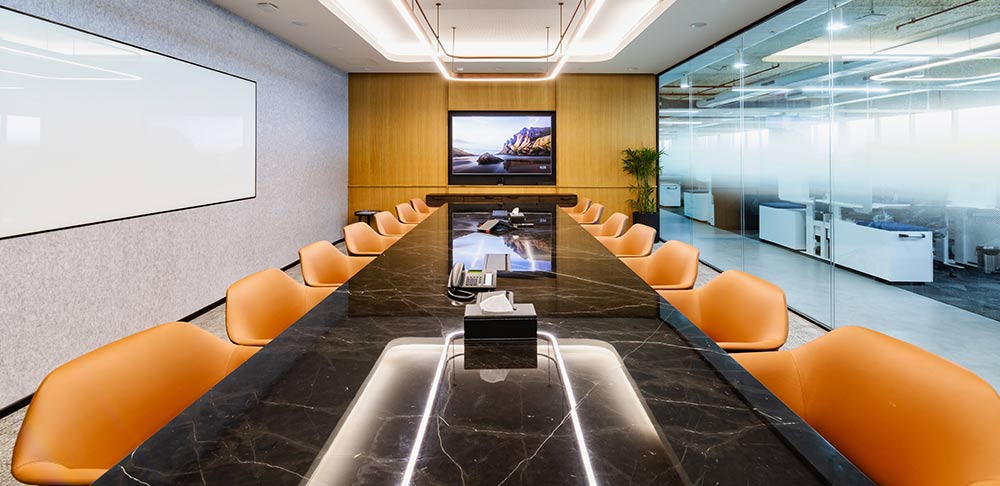
Gone are the days when an office space was valued solely for its aesthetics or for having a few technology-driven features. Today, office space technology is quietly yet significantly reshaping how workplaces are designed, managed, and experienced. As organisations rethink the role of the workplace in a hybrid-first world, technology has become a critical driver of productivity, employee experience, operational efficiency, and long-term business resilience.
At the same time, the expectations from office environments have evolved. Temperature inconsistencies across floors, uncertainty around meeting room availability, or delays in visitor check-ins are all indicators of a workplace that lacks truly integrated technology. Modern solutions such as IoT sensor networks, AI-driven building management systems, WiredScore-verified connectivity, and predictive maintenance platforms are becoming essential components of smart office spaces. What separates high-performing buildings from those that simply market themselves as smart is whether technology has been integrated into a connected ecosystem rather than deployed as a collection of standalone features. That distinction is what makes the office technology landscape in 2026 particularly compelling.
Why Office Technology Is Evolving in 2026
Hybrid work has moved from an experiment to a structural reality. With it, the role of the physical office has shifted. The building is no longer where work happens by default. It is where work happens by choice, when the environment is good enough to justify the commute. Technology is the primary variable determining whether that threshold is met.
For enterprise occupiers and GCCs, the stakes are higher than for smaller organisations. A 1,000-person workforce making daily decisions about whether to come in, based partly on how functional and responsive the office environment feels, creates measurable utilisation and retention implications. Smart office technology is no longer a facilities concern. It is a talent strategy.
AI-Enabled Workspaces Become Mainstream
Artificial intelligence is transforming workplaces from static environments into responsive ecosystems that adapt to employee needs in real time. From workflow automation to personalised experiences, AI is helping organisations improve efficiency, productivity, and workplace satisfaction.
AI for Workplace Operations
Artificial intelligence has moved from the periphery to the operational core of enterprise offices. Virtual assistants now handle meeting scheduling, calendar management, and workflow coordination. Automated onboarding systems, intelligent document management, and AI-driven shift planning are reducing administrative overhead in ways that directly free up leadership attention for the work that actually matters.
AI-Powered Space Utilisation
The more consequential AI application, from a real estate perspective, is space utilisation analysis. Systems aggregating anonymised occupancy data across a building can identify underused zones, peak density periods, and the environmental conditions that influence where people choose to work. Adaptive meeting rooms use AI to adjust acoustics and furniture configurations based on participant numbers. Unused rooms are released automatically after a defined grace period, eliminating the phantom booking problem that frustrates large workforces daily.
Personalised Employee Experiences
AI is also enabling workspace personalisation at an individual level. Smart environments that learn an employee's preferred temperature range, typical arrival time, and workspace configuration can reduce the micro-decisions that consume attention throughout the working day. For GCCs building high-performing teams in competitive talent markets, this level of environmental responsiveness is becoming a differentiator in recruitment conversations.
The Expansion of IoT Office Systems
IoT-enabled offices generate continuous data that helps businesses optimise space, resources, and employee comfort. Connected devices and sensors create smarter workplaces where operational decisions are driven by real-time insights rather than assumptions.
Connected Workspaces
IoT has transformed the modern office from a static physical environment into a data-generating operational platform. Smart HVAC and lighting systems use indoor environmental quality sensors to monitor humidity, CO? and natural light, adjusting automatically to maintain conditions associated with sustained cognitive performance. Wi-Fi 7 and 5G integration supports the high-density device environments that large enterprise floors now routinely require.
Occupancy and Resource Monitoring
Desk and room occupancy sensors feed data into systems that trigger autonomous workflows. A meeting room with no detected presence five minutes past its booking start releases automatically. Overcrowding in a particular zone sends an alert. Presence detection updates calendars in real time, reducing the administrative friction of managing shared space across large teams.
Real-Time Workplace Insights
IoT-enabled smart meters provide granular energy consumption data at the floor and zone level, enabling both operational efficiency and ESG reporting with the precision that enterprise governance frameworks now require. Localised data processing handles sensor data on-site. reducing lag and improving real-time response for automated systems where milliseconds affect occupant experience.
Smart Building Management Takes Centre Stage
Modern building management systems automate critical functions such as lighting, HVAC, and energy usage to improve performance and occupant experience. These intelligent platforms help organisations reduce operational inefficiencies while maintaining optimal workplace conditions.
Automated Building Controls
Building management systems in 2026 are not monitoring tools. They are operational platforms that adjust lighting, heating, ventilation, and HVAC automatically based on occupancy and external conditions, without waiting for a facilities manager to intervene. The difference between a reactive and a proactive BMS is most visible during high-occupancy events, when manual systems fall behind, and automated ones simply adjust.
Energy and Resource Optimisation
Smart building technology consistently reduces energy waste by significant margins when implemented with genuine integration rather than surface-level installation. Automated energy optimisation ensures systems run only when needed. IoT-enabled smart meters send real-time alerts for abnormal consumption spikes, catching faults before they translate into meaningful cost overruns or equipment damage.
Predictive Maintenance Systems
Predictive maintenance is where building intelligence creates its most operationally significant value. IoT sensors monitoring elevator motors, HVAC compressors, and electrical systems detect anomalies before they become failures. The intervention happens before the occupant notices anything. DLF's approach across assets like DLF Cyber City Gurugram, DLF Downtown Gurugram, and DLF Cyber City Hyderabad embeds this operational depth through its 5S framework, which treats safety and sustainability as integrated design commitments rather than compliance outcomes.
Office Automation Trends Reshaping Operations
Automation is streamlining workplace operations by reducing manual tasks across visitor management, facility monitoring, and meeting room scheduling. As offices become increasingly digitised, organisations can focus more on strategic priorities and less on administrative complexity.
- Automated Visitor Management: Smart visitor management systems combine cloud technology, real-time notifications, and contactless entry to remove the friction from the arrival experience. RFID access systems provide contactless security and visitor tracking across offices and campus environments simultaneously. Pre-registration with QR-code entry eliminates reception bottlenecks while maintaining a complete digital audit trail for compliance purposes.
- Smart Meeting Room Booking: Meeting room booking software that genuinely reflects real-time availability and releases rooms when not used, recovers a meaningful volume of productive hours that large organisations currently lose to phantom bookings and scheduling conflicts. Mobile booking apps that show live availability and integrate with calendar platforms reduce the mental overhead of space planning from daily friction into a background function.
- Workflow and Facility Automation: Facilities monitoring through a unified dashboard, combining room availability, energy status, maintenance alerts, and occupancy data, allows facilities teams to manage complex environments with less headcount and fewer reactive interventions. Analytical insights into room usage patterns inform decisions about space allocation, cleaning schedules, and lease renewal conversations with actual utilisation data rather than estimates.
Digital Infrastructure Becomes a Leasing Priority
Reliable digital infrastructure has become a core requirement for enterprises evaluating office space. High-speed connectivity, cloud readiness, and verified technology standards now play a significant role in workplace selection decisions.
- High-Speed Connectivity: Wi-Fi 7 and 5G integration now defines the baseline connectivity expectation for enterprise office environments supporting high-density device loads and AR/VR collaboration tools. For GCCs running cloud infrastructure and high-volume data operations, the building's passive fibre infrastructure, riser capacity, and mobile signal coverage are operational prerequisites, not optional features.
- Cloud-Ready Office Environments: Cloud-based analytics platforms providing real-time insights into energy, occupancy, and building performance require a connectivity architecture capable of handling continuous high-volume data transfer. Cloud integration with workplace management tools, including calendar platforms and facilities management systems, creates a seamless environment that reduces daily administrative friction for large workforces.
- WiredScore Platinum-Certified Buildings: WiredScore Platinum certification independently verifies a building's digital infrastructure across active connectivity, passive cabling, mobile coverage, and resilience provisions. DLF holds the world's largest WiredScore-certified portfolio, with 45 buildings meeting global connectivity standards. For enterprise technology teams justifying a leasing decision internally, this certification carries more evidential weight than any developer's unaudited specification sheet. Assets, including DLF Cyberpark in Udyog Vihar, Atrium Place in DLF Phase V, and DLF Techpark Noida, carry this independently verified standard.
Smart Security and Access Control Systems
Workplace security is evolving through contactless access, AI-driven monitoring, and integrated security platforms. These technologies strengthen protection while creating a seamless and convenient experience for employees and visitors.
Contactless Entry Solutions
Access control in 2026 is defined by zero-trust architecture and biometric convenience. Employees use encrypted smartphone tokens or facial recognition for seamless entry. Contactless systems reduce tailgating incidents significantly while improving the arrival experience for both employees and visitors. RFID access control provides the same contactless security across office and campus environments without requiring separate credentials for each zone.
Integrated Security Platforms
Modern security systems use behavioural analytics to flag anomalies, such as a single credential being used in two physically separate locations simultaneously. AI-powered monitoring enhances detection capability without requiring proportionally larger security teams. Dynamic permissions allow access levels to be adjusted instantly based on role, time, or event without requiring physical card reissuance.
Data and Workplace Protection
Segmented network traffic isolates sensitive corporate data from IoT device traffic, preventing lateral cyber-attacks through building systems. This is particularly relevant in smart buildings where the number of connected devices creates a larger attack surface than a conventional office network. For regulated industries and GCCs handling sensitive data, the cybersecurity architecture of the building's own network is a due diligence consideration, not a secondary concern.
Sustainability Powered by Smart Technology
Technology is enabling businesses to achieve sustainability goals through intelligent energy management, air quality monitoring, and resource optimisation. Smart systems provide measurable environmental performance while supporting healthier workplace environments.
Smart Energy Management
Automated energy optimisation ensures systems run only when occupied spaces require them. Demand-response capability allows buildings to reduce consumption during grid peak periods, lowering cost and supporting grid stability. Sub-metering at the floor and zone levels provides the granularity required for accurate ESG disclosures under international reporting frameworks.
Indoor Air Quality Monitoring
LEED v5 now incentivises continuous indoor air quality monitoring, with readings required at least hourly over a sustained period. Building-grade monitors measuring CO?, particulate matter, humidity, and VOCs create the data record required for both certification and occupant wellbeing reporting. For enterprise occupiers with health and wellness commitments embedded in their governance frameworks, continuous IAQ monitoring has moved from aspiration to expectation.
LEED-Certified Buildings and MERV-14 Air Filtration
DLF holds the world's largest portfolio of LEED Platinum and LEED Zero Water certified office spaces, with approximately 54 million sq. ft. LEED Platinum certified across its commercial portfolio. DLF offices are equipped with MERV-14 air filters, reducing harmful pollutants significantly beyond ASHRAE standards. DLF Cyber City Hyderabad earned LEED Zero Energy certification, demonstrating a net-zero energy balance across its operations. DLF Downtown Chennai in Tharamani and DLF Cyber City Chennai in Manapakkam maintain the same sustainability infrastructure standards within Chennai's established IT corridors.
The Rise of Smart Office Campuses
Smart office campuses combine advanced technology, infrastructure, and amenities into a connected ecosystem that enhances operational efficiency. This integrated approach supports the evolving needs of GCCs, enterprise occupiers, and large-scale workforces.
- Integrated Digital Ecosystems: The campus format delivers smart technology at a scale and integration depth that individual buildings cannot replicate. A unified BMS across multiple buildings, a common access control and visitor management platform, and consolidated occupancy analytics create an operational intelligence layer that benefits every occupier on the campus simultaneously. DLF Cyber City Gurugram, the world's first LEED Platinum for a city and community, represents this at its most developed.
- Technology Across Business Parks: DLF's commercial footprint spans over 57 million sq. ft. across six key cities, including DLF Techpark Noida and DLF Techpark Chandigarh, alongside major campus environments in Gurugram, Hyderabad, and Chennai. The consistency of smart infrastructure standards across this portfolio means that multi-city enterprise occupiers experience the same operational baseline regardless of which market they are in.
- Supporting GCCs and Enterprise Occupiers: DLF offices are home to Fortune 500 companies, GCCs, and large technology enterprises. The social infrastructure component of DLF's 5S framework, covering Sustainability, Safety, Social Infrastructure, Scale, and Space Solutions, supports the talent attraction and retention functions that GCCs building high-performing India teams require. Smart technology is not separate from this. It is embedded in how the campus operates every day.
Preparing for the Next Generation of Office Space
The organisations best positioned in 2026 are those that have stopped treating office technology as a procurement category and started treating it as an operational strategy. The building matters. The developer's track record of maintaining infrastructure to the delivered standard over the lease term matters. And the certifications, WiredScore Platinum for connectivity and LEED Platinum for sustainability, matter because they provide independently verified evidence rather than claims. What businesses should prioritise when evaluating office technology in 2026:
- AI-powered space utilisation and building automation with genuine system integration, not isolated feature deployment.
- IoT infrastructure that feeds a consolidated data platform accessible to both building operators and occupier facilities teams.
- WiredScore Platinum certification confirms connectivity performance independently.
- Smart security with contactless entry, behavioural analytics, and network segmentation.
- LEED certification and MERV-14 air filtration address both environmental performance and occupant health obligations.
The buildings that will define enterprise workspace standards through the end of this decade are already under development. The distinguishing factor is not which features they advertise but whether their underlying infrastructure was designed to integrate, adapt, and improve over time. That is what future-ready actually means.
Compare workspace options across DLF's smart office portfolio to understand how digital infrastructure performs at enterprise scale.
FAQs
Smart office technology integrates IoT sensors, AI automation, and connected building systems to create responsive workspaces that adapt to occupancy in real time, optimise energy use, and improve the daily working experience for employees and facilities teams.
AI handles scheduling, space utilisation analysis, predictive maintenance alerts, and personalised environmental adjustments. It enables more effective integration between in-person and remote work while reducing the administrative overhead of managing large, complex office environments.
IoT office systems are networked sensors and devices that track occupancy, monitor air quality and energy consumption, and trigger automated responses such as releasing unused meeting rooms or adjusting HVAC based on real-time conditions, without manual intervention.
WiredScore Platinum independently verifies a building's fibre connectivity diversity, passive infrastructure quality, mobile signal coverage, and resilience provisions. It provides enterprise occupiers with audited assurance rather than relying on developer self-assessment for a dimension of building performance that affects daily operations.
Businesses should prioritise WiredScore Platinum certification, LEED Platinum or equivalent sustainability credentials, MERV-14 air filtration, integrated BMS with open API architecture, and a developer with a verified track record of maintaining smart infrastructure standards consistently throughout the lease term.
