


-
 1254
1254 - Posted in May, 2026
Smart Office Buildings: How Technology Is Changing Workspaces
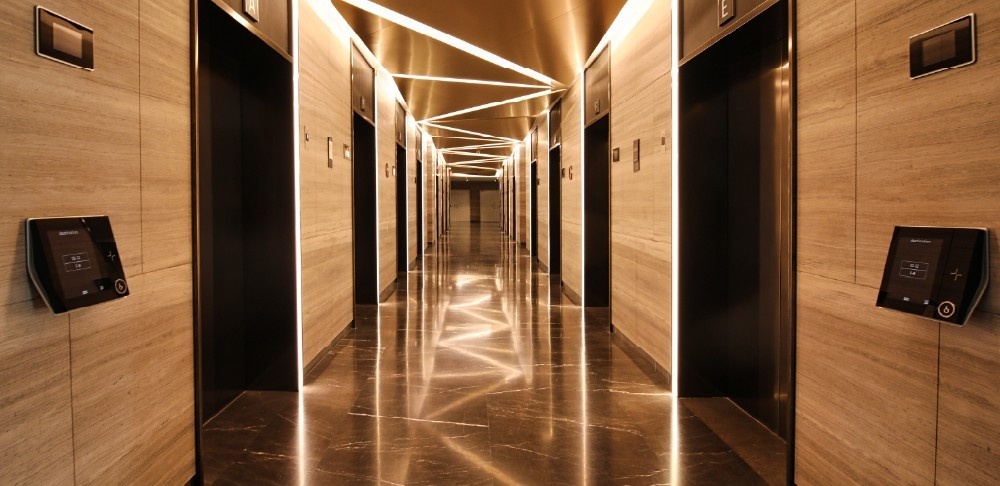
Workplaces are evolving as technology reshapes how people work, collaborate, and manage resources. Today, a smart office goes beyond basic connectivity. It uses intelligent systems to improve efficiency, comfort, and decision-making. As organisations adopt hybrid models and digital workflows, smart office buildings are emerging as the new benchmark for modern workspaces.
What Is a Smart Office and How Does It Work?
A smart office is a workplace that uses technology to connect people, space, and systems. Smart office buildings integrate office automation, sensors, and digital platforms to manage lighting, climate, security, and space usage in real time.
Unlike traditional offices, which rely on manual controls and fixed layouts, smart buildings respond dynamically to how employees use the space. Technology enables better utilisation of resources while improving daily work experiences.
What Technologies Power Smart Office Buildings?
Office Automation Systems and Building Automation
Office automation systems form the backbone of smart buildings. Centralised building automation controls lighting, HVAC, power, and utilities from a single platform.
Sensors track occupancy, temperature, and air quality, allowing systems to adjust automatically. This reduces energy use and ensures consistent comfort throughout the day.
Smart Infrastructure and Connected Systems
Smart infrastructure relies on IoT-enabled devices that collect and analyse data. Connected systems share information across platforms, enabling informed decisions and faster responses.
Smart building platforms integrate security, utilities, and environmental controls into one system. This level of integration improves reliability and operational clarity.
Office Management Systems and Digital Tools
Office management systems support space planning and daily operations. Tools such as desk booking, meeting room management, and resource tracking optimise space usage.
These digital workplace tools create seamless experiences for employees while helping organisations manage offices more efficiently.
How Smart Office Technology Improves Employee Experience
Smart office technology enhances comfort and convenience. Automated lighting and climate systems adjust to occupancy and preferences, creating more pleasant work environments.
Personalised settings, improved air quality, and reduced disruptions support focus and wellbeing. Employees benefit from workplaces that respond to their needs rather than forcing rigid routines.
How Smart Buildings Improve Operational Efficiency
Smart buildings improve efficiency by reducing energy consumption and operational costs. Real-time monitoring identifies inefficiencies quickly, allowing corrective action before issues escalate.
Predictive maintenance also plays a key role. Systems detect potential faults early, reducing downtime and extending equipment life. This approach improves reliability while lowering long-term expenses.
Role of Office Technology in Creating Premium Office Spaces
Office technology has become a defining feature of premium office space. Smart systems signal quality, reliability, and forward-thinking design.
Technology-enabled offices enhance brand image and help attract talent. Companies operating from smart office buildings project professionalism and readiness for future growth. Developments managed by DLF Offices reflect this shift by integrating advanced office technology into premium work environments.
Smart Office Buildings vs Conventional Office Spaces
Smart office buildings differ from conventional offices in functionality and scalability. Traditional offices rely on manual processes and fixed infrastructure. Smart buildings adapt continuously based on usage and demand.
While smart offices may involve higher initial investment, they deliver long-term value through efficiency, flexibility, and reduced operating costs. Over time, technology-enabled workspaces prove more resilient and cost-effective.
Who Should Consider Moving to a Smart Office Building?
Smart office buildings suit a wide range of organisations. Enterprises benefit from scalability and data-driven management. Startups gain flexibility without a heavy operational burden.
Global companies and innovation-driven businesses also benefit from smart offices that align with modern work expectations and international standards.
Challenges and Considerations in Smart Office Adoption
Adopting smart office technology requires careful planning. Implementation costs and system integration need a clear evaluation. Organisations must also manage change effectively to ensure employee adoption.
Data security remains an important consideration. Smart systems must follow strong governance practices to protect sensitive information.
What Is the Future of Smart Office Buildings?
The future of smart office buildings will involve greater use of AI, advanced analytics, and automation. Systems will become more predictive and responsive, further improving efficiency and experience.
As cities evolve, smart buildings will play a central role in sustainable and connected urban environments. Developers like DLF Offices will continue shaping this future by embedding smart infrastructure into modern commercial spaces.
A smart office building is a technology-enabled workplace that uses connected systems, sensors, automation, and data analytics to manage lighting, climate control, security, energy consumption, and space utilisation more efficiently. Smart office buildings improve employee experience while reducing operational costs.
Office automation systems streamline building operations by automatically controlling lighting, HVAC systems, energy usage, and workplace resources. This reduces manual intervention, improves resource management, and creates a more productive work environment.
Smart office buildings are becoming increasingly popular because they support hybrid work models, improve employee experiences, reduce operating costs, and provide the flexibility required for evolving workplace needs.
Companies should consider moving to a smart office building because it provides improved operational efficiency, enhanced employee experience, lower energy consumption, better workplace management, and support for future business growth.
Yes, smart buildings are increasingly shaping the future of commercial office space. Businesses are prioritising technology-enabled workplaces that support hybrid work, improve energy efficiency, and provide a better employee experience while reducing operational costs.
