Property is an asset you can measure. A home is an asset you live inside.
Discerning buyers increasingly understand that a sub-par living experience is also a sub-par investment, even when the numbers look attractive on paper. Real residential investment value comes from two returns working together: financial strength and day-to-day stability.
That is the difference between buying space and making a long term home investment.
A premium property investment is often evaluated through familiar metrics: location, pricing, demand, and resale potential.
A luxury home investment adds another layer. It asks how the place supports real life:
● Does it reduce daily friction or add to it?
● Does it protect privacy while still offering community?
● Will it remain relevant as your needs change?
Homes that answer these questions well tend to be held longer, maintained better, and recommended more often. That strengthens value in a way spreadsheets do not fully capture.
Strong returns usually come from strong fundamentals. Price alone does not create appreciation. Planning does.
The best appreciating residential assets usually share a few traits: clarity in operations, a strong reputation, and consistent livability. These factors keep demand healthy across cycles.
This is where value driven residential projects separate themselves. Buyers pay for lower uncertainty, not just nicer finishes.
Resale value is often decided by what a future buyer can trust. Predictable maintenance. Clear governance. Professional operations. Compliance that is easy to verify.
When these basics are handled well, the home feels lower-risk. That directly supports sustainable property value and long-term demand.
The phrase sounds soft until you define it properly.
Emotional return on investment is practical. It shows up as smoother routines, less noise, fewer daily decisions, safer movement for family, and a sense of order that holds.
This return also shapes financial outcomes. People keep homes that feel stable. They invest in them. They speak well of them. That reduces churn and strengthens reputation, which is one reason lifestyle fit quietly supports price strength.
A home can be both a lifestyle decision and a serious lifestyle-led investment.
Lifestyle, in this context, means more than a long amenity list. It means whether the community remains usable and desirable as years pass:
● shared spaces that feel maintained, not tired
● rules that protect quiet, not just activity
● services that stay consistent, not seasonal
● a community culture that feels respectful
When these elements are strong, the home stays relevant. When relevance holds, so does value. That is often the hidden engine behind a successful premium property investment.
Markets move toward higher expectations over time. Buyers start asking for resilience, efficiency, and lower long-run hassle.
That is why future-ready housing is now part of serious planning. Thoughtful water management, energy efficiency, and everyday durability tend to age better, especially in urban settings where costs and constraints rise.
This is not just about ideals. It is about reducing future friction and protecting long-run desirability.
A useful way to judge this shift is to look at how a modern community tries to balance daily life with long-run value.
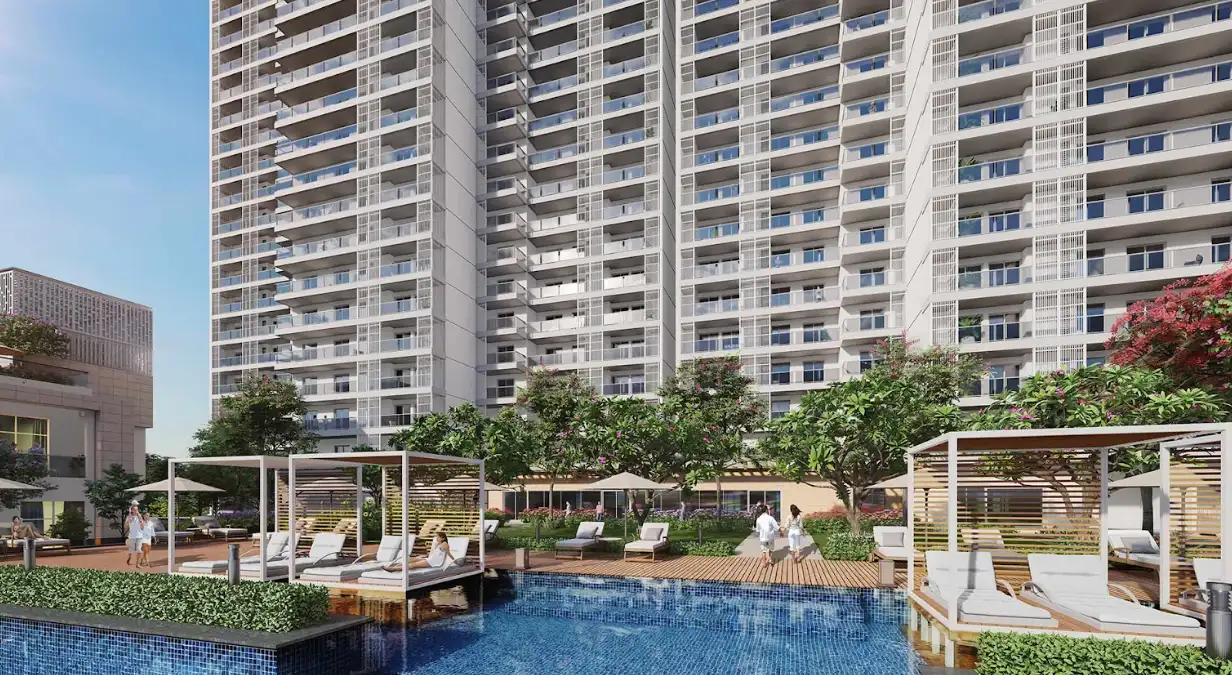
ONE Midtown by DLF in West Delhi is one example of a development positioned around managed living and day-to-day ease, not just apartment specifications. Its planning emphasis is visible in two places that matter for buyers.
First, the lifestyle layer. Shared social spaces are designed to support daily routines, not only special occasions. When these spaces are managed well, they reduce friction and add livability, which often strengthens reputation across the market.
Second, the resilience layer. In well-run communities, sustainability features matter most when they show up as lived benefits: steadier comfort, better water planning, and systems that remain reliable over time. This is where buyers should stay disciplined and verify what actually impacts daily living.
A simple rule helps: treat brochures as introductions, then confirm the operating model in writing. Ask what is managed by whom, what standards are promised, and how the community protects quiet and consistency.
A good home should feel right in daily life. A strong asset should hold up over time.
The best outcome happens when both are true: a home that supports stability and satisfaction, and a property that remains desirable, resilient, and easy to trust.
That is the real meaning of residential investment value. It is financial return backed by lived quality, which is why the strongest long term home investment often looks less like a transaction and more like a decision you can comfortably live with.
Disclaimer: This article is for educational purposes only. Details may change over time. Please verify current information through official documents and authorised representatives.
_11zon.webp)