In a city like Delhi, dining is often planned around the effort required. You decide where to go. You calculate traffic. You manage time. Even leisure arrives with a sense of coordination.
Living at DLF ONE Midtown changes that relationship. Here, the café and restaurant are not experiences you organise your day around. They are part of the day itself. You encounter them naturally, the way you would a familiar street corner or a favourite park bench.
That difference matters because it alters how food, time, and social interaction fit into everyday life.
This is not about dining as a highlight. It is about dining as a rhythm.
The experience begins before you arrive.
You walk, not because you planned to, but because everything is close enough to invite it. There is no abrupt transition from private to public life. The pace of movement stays consistent. By the time you reach the café or restaurant, your body has already slowed.
That ease shapes behaviour. People arrive without urgency. They sit without scanning the room. They stay without checking the time.
This is how a larger lifestyle takes hold. When spaces are easy to reach, they are used more often. When they are used more often, they become familiar. Familiarity replaces novelty, and comfort begins to lead.
In the morning, the café feels like an extension of the home.
Light enters softly. Seating feels open, but never exposed. The atmosphere remains calm even when occupied. Some residents stop in briefly on their way through the community. Others choose a table and stay longer, reading or simply sitting with their thoughts.
There is no sense of being rushed along. No background pressure to finish and leave. The space holds still long enough for the day to arrive gently.
Over time, this changes how mornings feel. They stop being something to get through. They become something to ease into.
This is where the idea of a slower lifestyle becomes tangible, not through intention, but through repetition.
By midday, the restaurant takes on a different role.
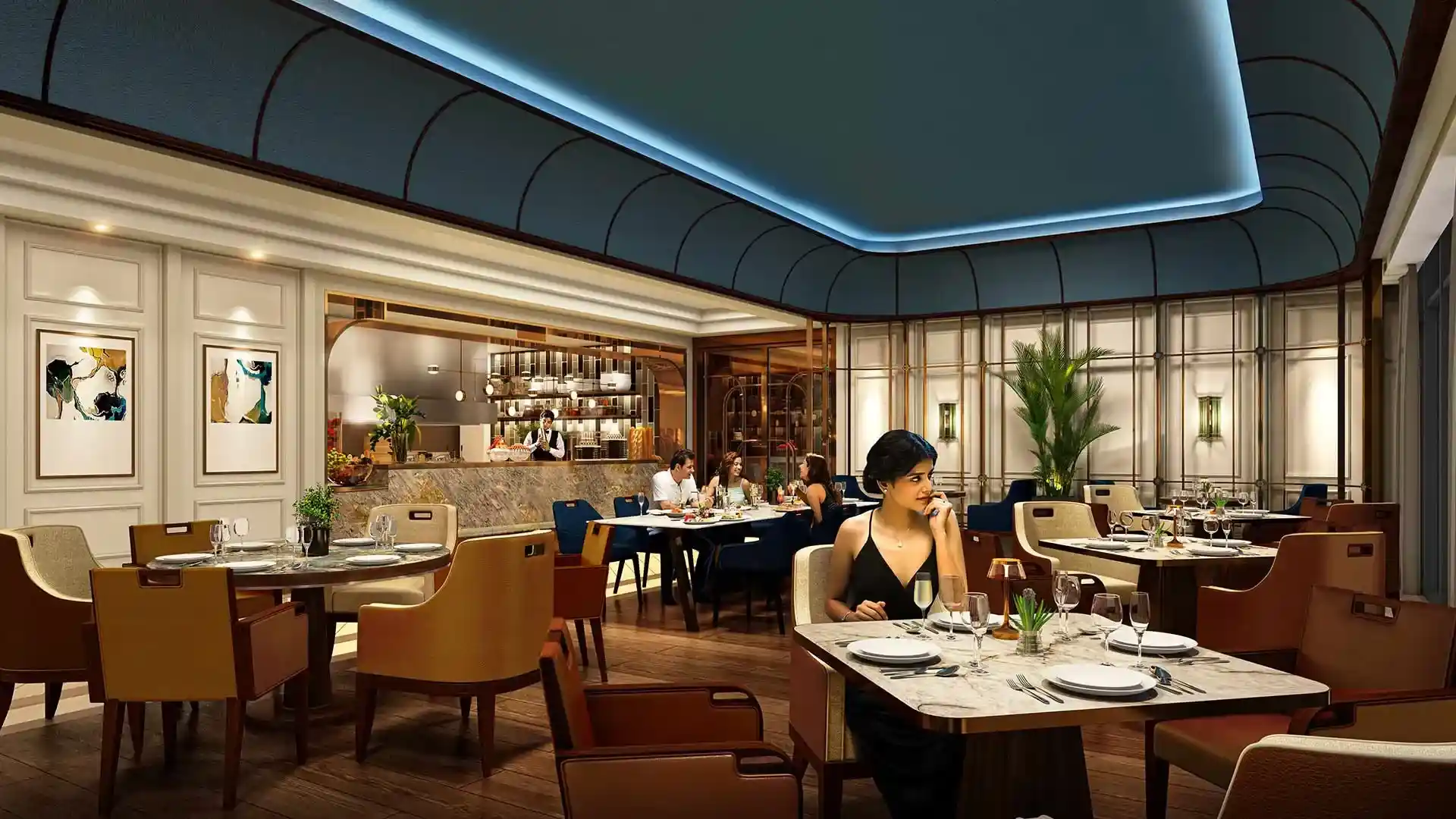
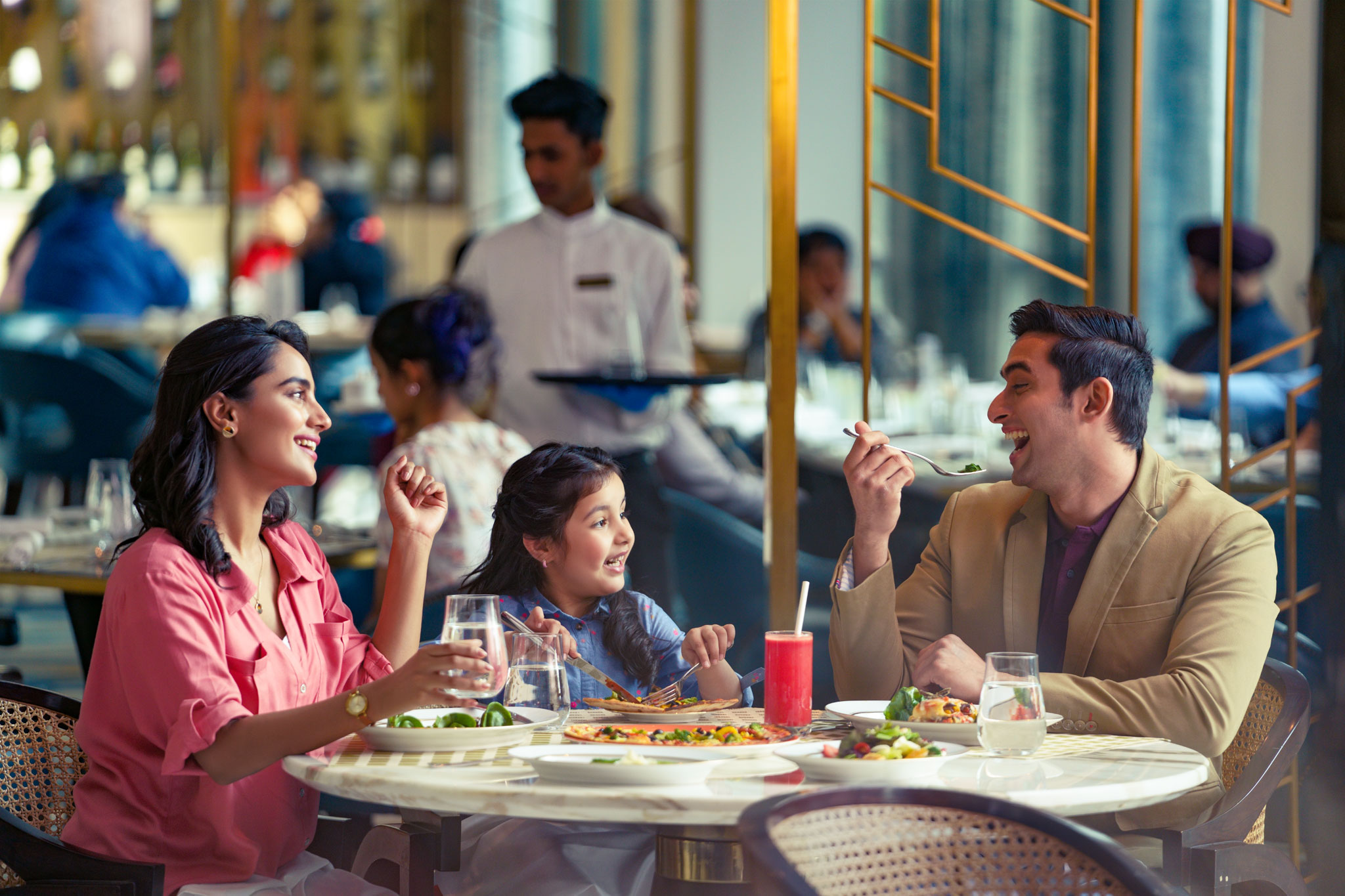
It becomes a place to pause, not escape. Meals are unhurried. Conversations unfold naturally. Some tables are quiet, others are engaged. The balance feels effortless.
What stands out is the absence of noise and visual overload. Nothing competes for attention. The space allows focus, whether that focus is on food, conversation, or simply being present for a short while.
For residents, this creates a subtle but meaningful shift. Lunch is no longer squeezed between commitments. It becomes a moment of reset. You leave feeling restored rather than interrupted.
In a city where most people step out to recharge, having that pause within your own community reshapes the day's flow.
As evening approaches, the mood changes slowly.
Lighting softens. The pace remains steady. Residents arrive without planning together, yet the space never feels fragmented. Familiar faces appear. Conversations resume easily, without introductions or explanations.
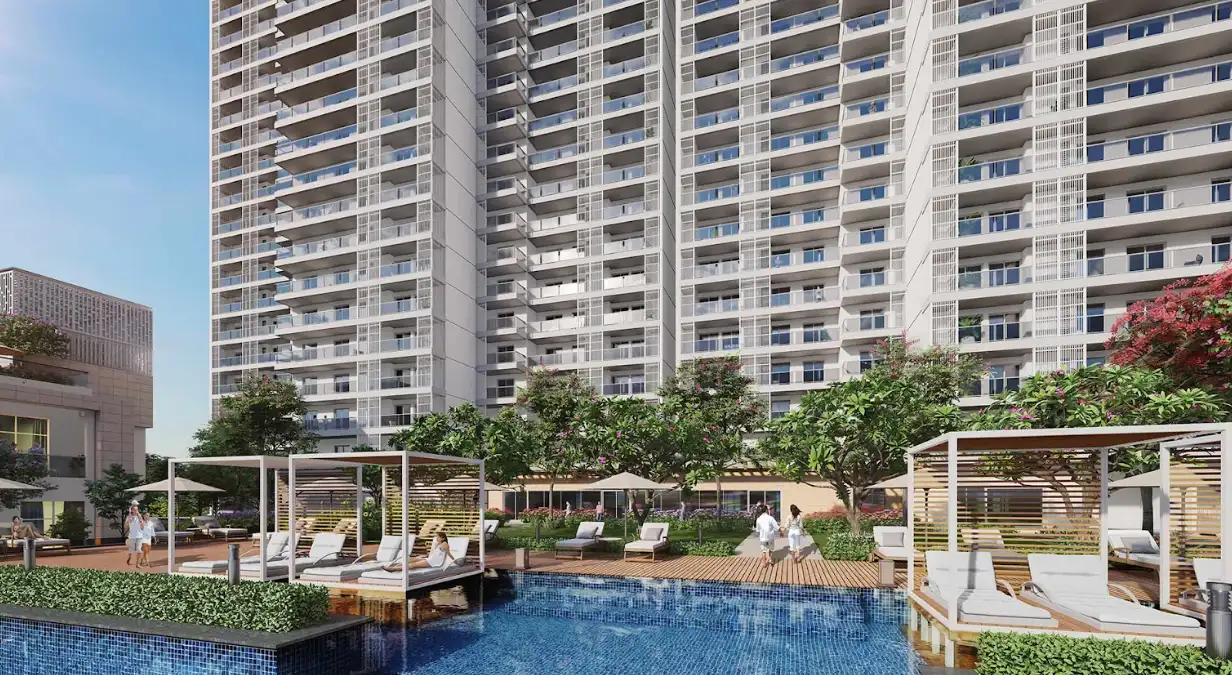
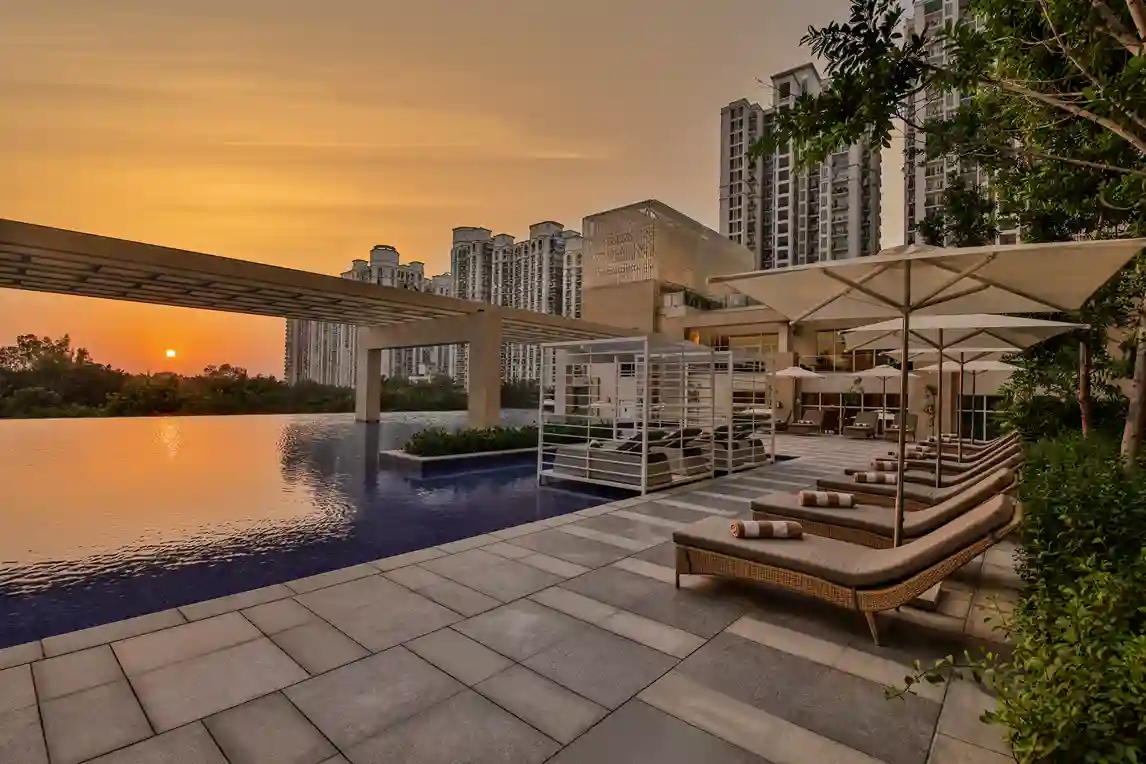
The alfresco seating becomes especially relevant at this hour. Surrounded by greenery and open air, dining feels connected to the larger environment rather than contained within walls.
This is where social life feels natural rather than curated. There is no performance, no sense of occasion that needs to be maintained. People come because it feels right, and they stay because it feels comfortable.
The evening does not announce itself. It simply unfolds.
What defines the café and restaurant over time is not variety, but continuity.
You return to the same spaces. You recognise the same faces. You develop preferences without effort. This repetition creates a sense of belonging that is difficult to manufacture intentionally.
In many urban settings, dining spaces are designed for discovery. Here, they are designed for return. That distinction is important, because it supports a lifestyle built on ease rather than stimulation.
Over weeks and months, these spaces become part of personal memory. Not as standout moments, but as dependable ones. The kind you rely on without thinking.
The experience of dining at ONE Midtown reflects something broader about how the community is designed to be lived in.
Food is not positioned as an indulgence or a reward. It is treated as part of daily wellbeing. The spaces around it are calm, accessible, and familiar. They support different moods without changing character.
This allows residents to live with fewer decisions. You do not have to ask whether today is the right day to step out. You do not need to prepare yourself for noise or crowds. The environment already supports the pace you want to maintain.
That consistency is what elevates the lifestyle.
Luxury here does not reveal itself through excess or spectacle. It appears in subtler ways.
In the ability to walk to dinner without thinking about traffic.
In the comfort of staying longer than planned.
In the ease of recognising people without needing to know them well.
These are not features you list. They are experiences you accumulate.
Over time, dining becomes less about where you eat and more about how you live. Meals feel integrated, social moments feel natural, and time feels less compressed.
This is what understated, aspirational living looks like in practice. Not something you step into occasionally, but something that holds you quietly, day after day.
Disclaimer
This blog is for educational purposes only. Details may change over time. Please verify current information through official documents and authorised representatives.
_11zon.webp)