For a long time, Indian real estate asked foreign capital to accept an uneasy bargain. The demand was visible. The ambition was visible. The long-term potential was visible. What was harder to read was everything beneath the surface: land clarity, timelines, execution quality, and the true reliability of the asset itself.
That is what has begun to change.
Global capital is not turning to India because the market has become simple. It is turning because parts of the market have become easier to assess with greater confidence.
Here is what global investors are responding to in Indian real estate today.
For many investors, the hardest part of India was never demand. It was visibility. The market still varies sharply across states, cities, and micro-markets, and local complexity has by no means disappeared. But the broader direction has changed.
Frameworks such as RERA, along with the formalising effect of GST, have pushed the sector toward greater discipline. Over time, this has strengthened the position of developers that can handle tighter compliance, cleaner execution, and more structured delivery. For outside investors, that does not remove the need for local judgment. It does make the market less opaque than it once was.
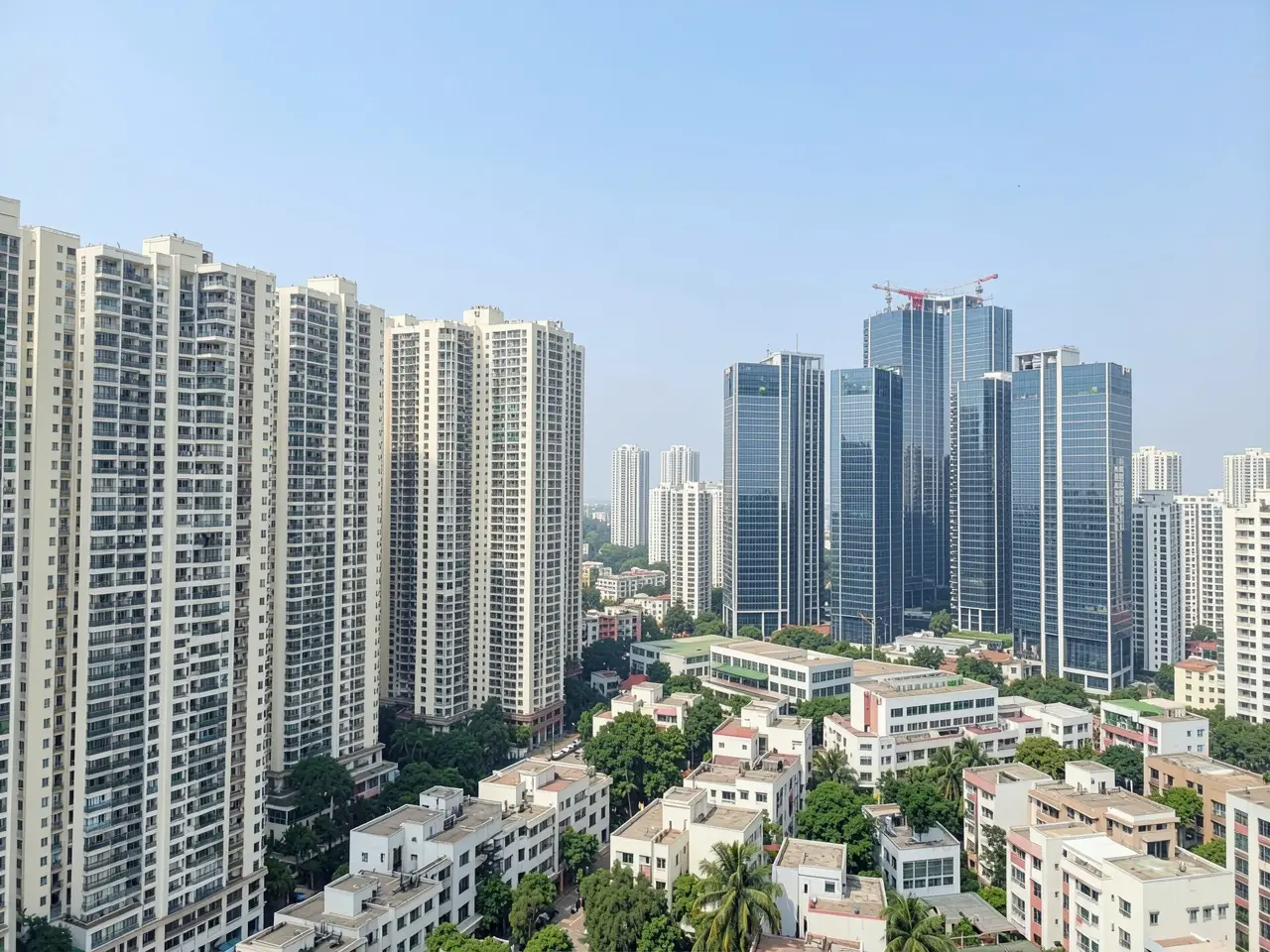
India’s commercial real estate story is no longer just about low-cost occupancy. The rise of Global Capability Centers, or GCCs, has turned cities such as Bengaluru, Hyderabad, and Pune into major hubs for engineering, research, and technology work. That shift matters because it changes the quality of demand.
It has supported steady interest in Grade-A offices, logistics parks, and data centres from occupiers that are planning for the long term, not just chasing cost savings. For global investors, that means stronger tenants, clearer income visibility, and a commercial market that is backed by a REIT ecosystem that is gradually deepening. Put together, these factors make parts of Indian commercial real estate easier to underwrite than they once were.
The reshaping of Indian cities through metro lines, coastal roads, ring roads, and peripheral expressways is widening the map of investable locations. These projects do not move on perfect timelines, and they do not erase risk. But they do change how investors think about distance, access, and future value.
In India, infrastructure often does more than improve mobility. It changes which neighbourhoods feel connected, which corridors become more usable, and which edges of a city start looking like the next serious growth cluster. For investors with a longer horizon, that makes certain emerging locations easier to believe in.
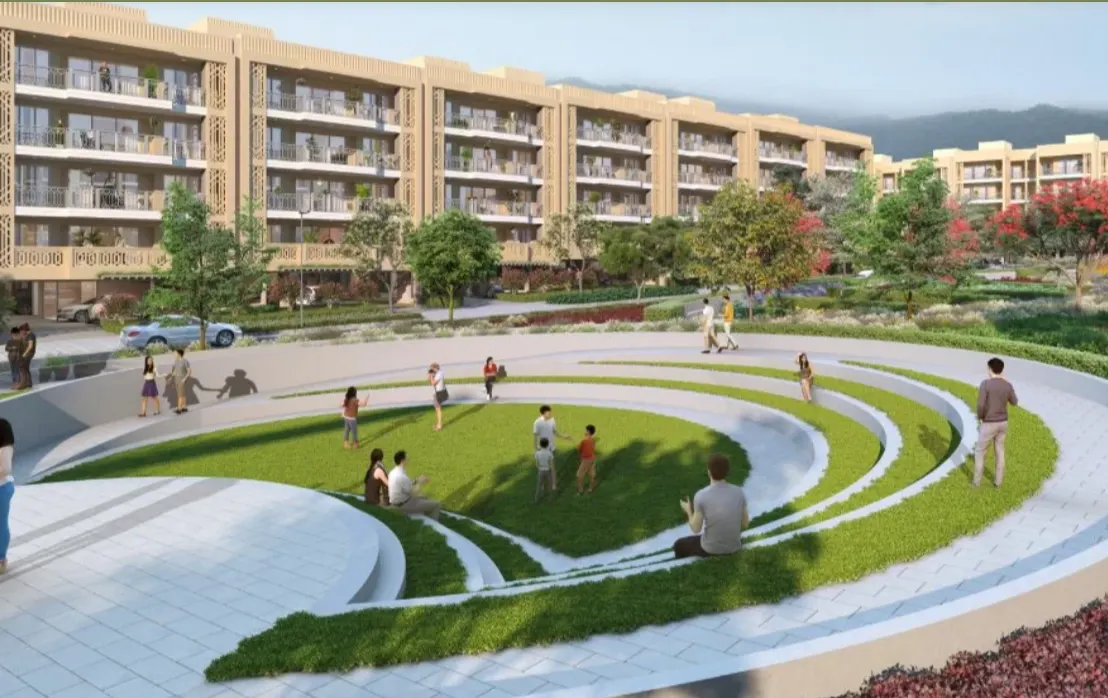
On the residential side, the shift is not just about taste. It is about trust. In Indian cities, where commute fatigue, maintenance quality, security, and civic inconsistency shape daily life, managed developments carry a different weight.
That is one reason many investors and NRIs are leaning toward larger residential projects with stronger execution and clearer end-user appeal. These homes are often easier to sell, easier to finance, and more likely to attract people who actually want to live in them rather than simply trade on launch buzz. That tends to support better resale confidence and steadier demand over time.
This is also where track record starts to matter more than marketing. In markets such as Gurugram, developers like DLF have benefited from that shift. Scale alone is not the point. The real advantage lies in execution, end-user trust, and the ability to create residential environments that hold their appeal beyond the first wave of excitement.
Alongside these changes is a broader economic reality. India’s growth path continues to stand apart from the slower pace seen in many other markets. But just as important is the depth of domestic demand now supporting real estate.
Foreign capital is no longer entering a market that depends mainly on outside money. It is entering alongside a growing base of Indian buyers, domestic wealth, and local capital that is staying within the system. That gives the market a steadier floor. It also means growth is tied more closely to real use and real demand, not just speculative momentum.
Indian real estate still demands care, patience, and local insight. It remains uneven, and it does not reward lazy optimism. But it is no longer as difficult to read as it once was.
That is the shift global investors are responding to. The attraction is no longer only the pace of growth. It is the growing sense that parts of the market can now be judged with greater confidence, and trusted for longer
Disclaimer: This article is for educational purposes only. Details may change over time. Please verify current information through official documents and authorised representatives