City living often treats nature as a destination. We plan weekend trips just to see trees, breathe easier, and feel the temperature drop. The urban default is that nature is something you must leave your house to find.
But when a residential community sits beside an expansive, existing green lung, that dynamic changes. Nature stops being an occasional escape and becomes part of the day. You begin to notice it in small, quiet ways. Morning light that stays longer on the living room floor. Evenings that feel less sharp. A rare stretch of time when the city’s noise does not dominate the room.
Here is what that can look like in practice.
When a home opens out to real open space, the benefits show up quickly. It is not only about a view. It is about what changes in your routine.
It is the difference between opening a window to hear traffic, versus hearing leaves and wind. Proximity to greenery can soften the friction of the city. It brings back two things that often feel scarce in dense urban living: light and air. When a building faces a green edge instead of a wall of concrete, the home can feel less crowded.
Natural light that lasts longer: With fewer tall structures cutting off the sun, rooms often stay brighter deeper into the day. You may find yourself switching on lights later in the evening, letting the space move naturally into dusk.
Air that feels less harsh: Trees and open lawns can temper heat and dust at street level. The shade and airflow can make it easier to keep windows open longer during pleasant hours, rather than sealing the home shut early.
Lower background noise: Green buffers can soften street-level sound. The city does not disappear, but the baseline volume indoors can feel lower, so a quiet afternoon at home actually stays that way.
To make nature part of daily life, architecture has to do more than frame a view. It has to make the outdoors easy to live with.
It starts at the threshold. Expansive balconies work as real extensions of the living area. They become the space for morning tea, a late-afternoon read, or a pause between tasks.
Inside, cross-ventilated plans are designed to catch the breeze. That steady movement of air helps keep rooms from feeling closed-in, carrying a sense of the outdoors through the home from morning until evening.
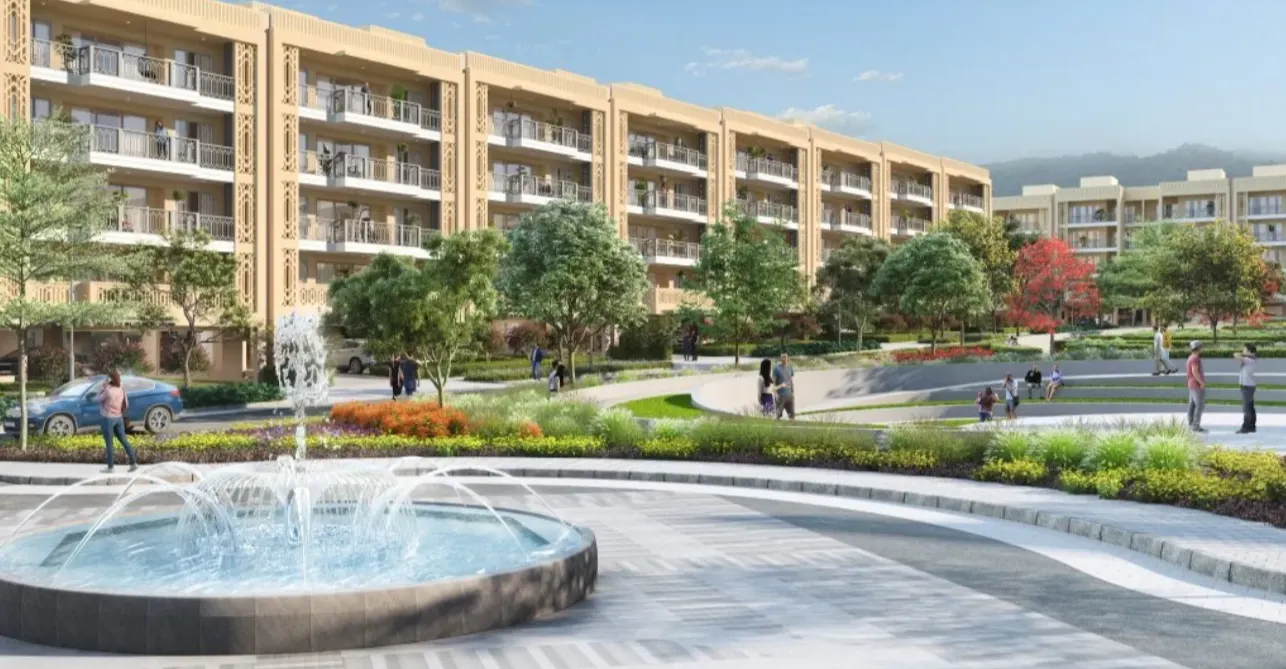
On the ground, the layout shapes a slower pace. Dedicated walking trails create shaded, continuous paths. A morning walk feels less like negotiating the city, and more like a quiet routine. Between the buildings, courtyards and open lawns create room to breathe, giving the eyes a place to rest and the day a softer rhythm.
Delhi rarely offers this kind of adjacency to open green space at scale.
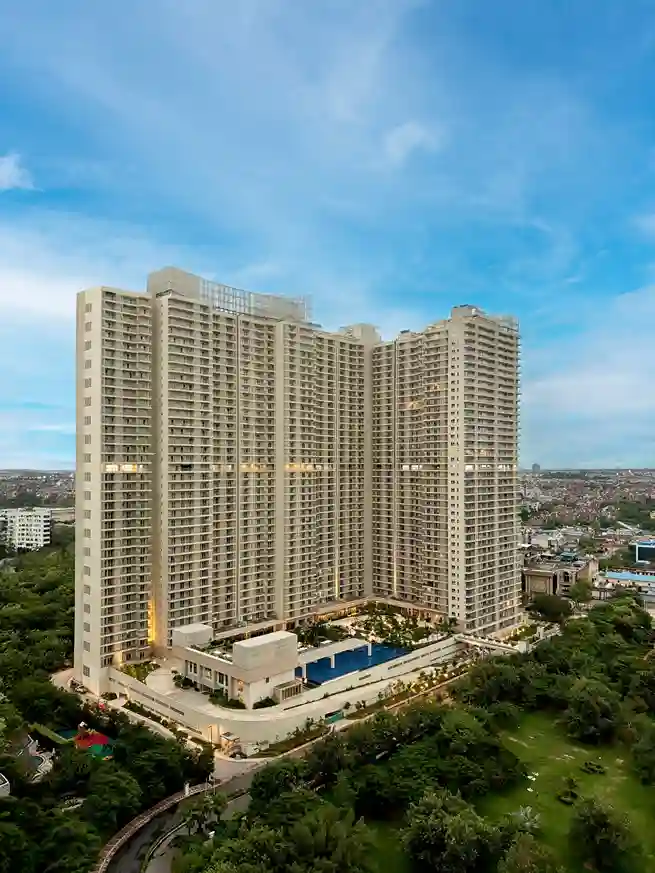
In West Delhi, ONE Midtown by DLF in Moti Nagar draws on this exact idea. With approximately 128 acres of DDA-maintained green cover adjacent to the community, the daily experience is shaped by a wider visual horizon, softer ambient sound, and a stronger sense of openness than most city-facing homes.
For those exploring luxury apartments in Delhi, the value is simple. Nature is not a weekend plan. It is part of what you live with, every day.
A well-designed home does not pretend the city does not exist. It creates a boundary that helps daily life feel steadier.
When open space and natural light are part of the setting, the city can feel a little farther away at the end of the day. Luxury does not have to mean escape. Sometimes it simply means living in a space that asks less of you, so a random Tuesday evening can end more gently.
Disclaimer: This article is for educational purposes only. Details may change over time. Please verify current information through official documents and authorised representatives.