Most days in Delhi are planned around travel. Even rest gets timed around traffic.
If something takes forty minutes door-to-door, it usually gets skipped on weekdays. Activities like working out, stepping outside, or meeting neighbours are pushed to weekends because weekdays leave little room.
This shapes how homes are actually used. Spaces that require a separate trip or extra time see less weekday use. Spaces that sit along daily routes get used more often.
Homes planned around movement make this difference visible. When shared spaces naturally align with everyday paths, people use them without changing their schedules. A short walk replaces a drive. A workout happens between tasks instead of becoming a separate outing.
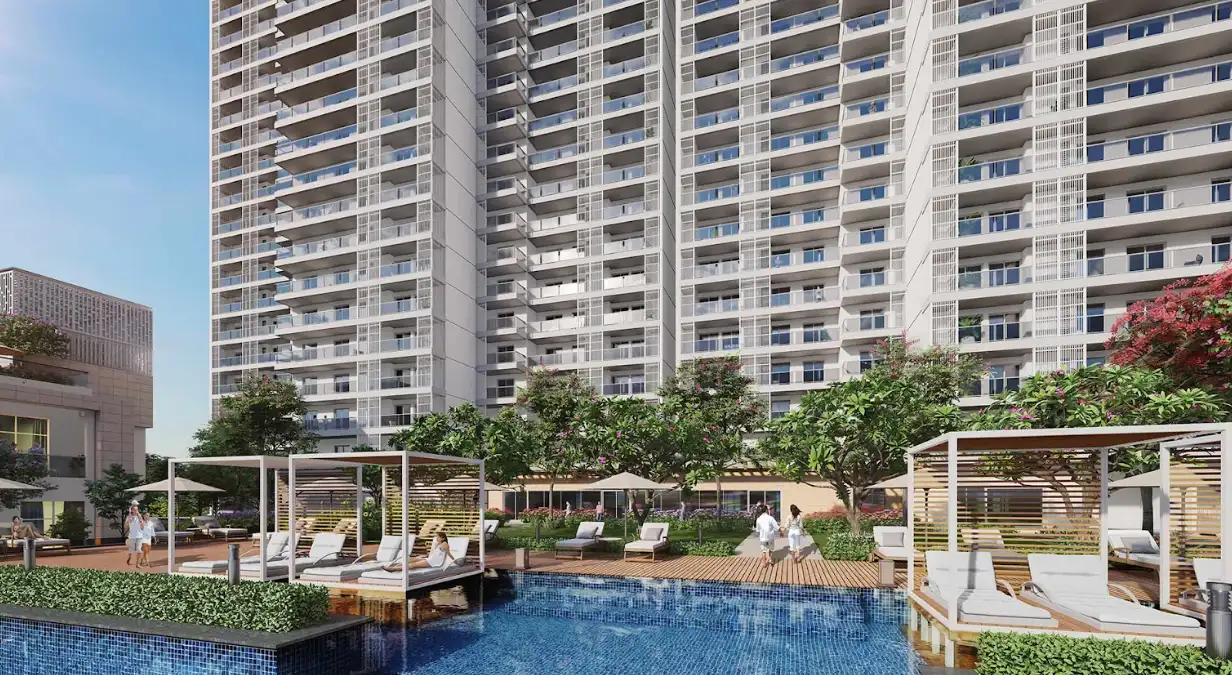
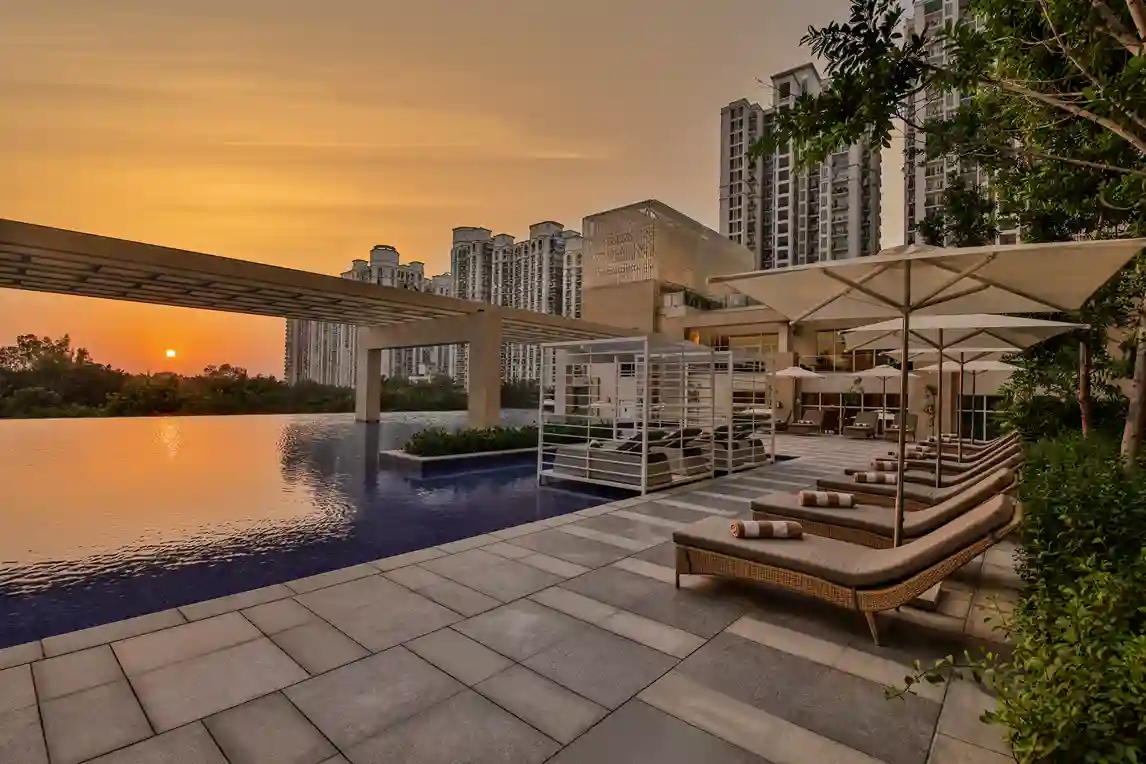
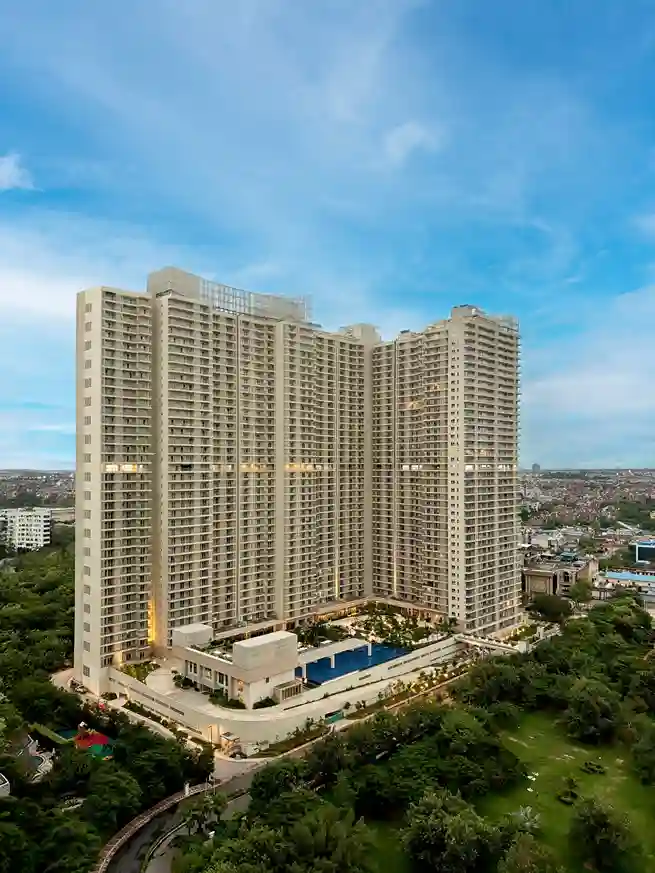
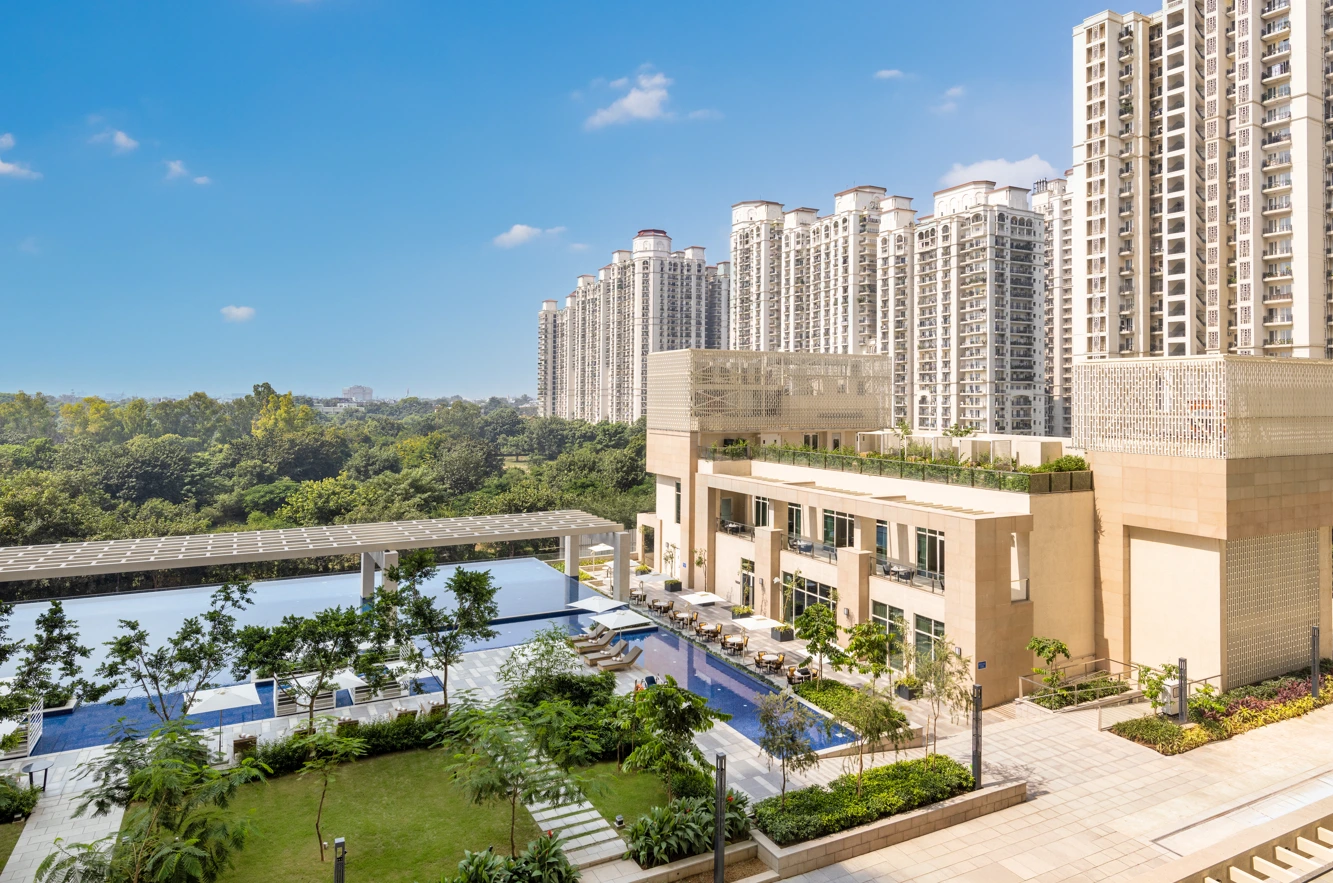
At ONE Midtown by DLF, the idea is simple: you can step out and use shared spaces without a plan. Because they do not add travel time, these spaces are used on regular weekdays, not only when time has been set aside.
A weekday walk becomes a ten-minute loop after dinner, not something that needs traffic checks or coordination.
When fitness requires planning, it slowly drops out of the weekday. If it needs a fixed slot or extra travel, it gets deferred.
When a gym is close and easy to reach, its use changes. Fitness stops feeling like a task you have to schedule. Short sessions fit into the day—before dinner, after work, or between errands.
Used this way, movement stays regular because returning to it requires less planning, not more motivation.
Spaces work best when they do not need an occasion. Pedestrian paths and landscaped routes function as everyday connectors, not designated activities.
When green space sits on your daily path, you actually use it. Some visits are brief—just enough to step outside. Others last longer because staying does not require a decision.
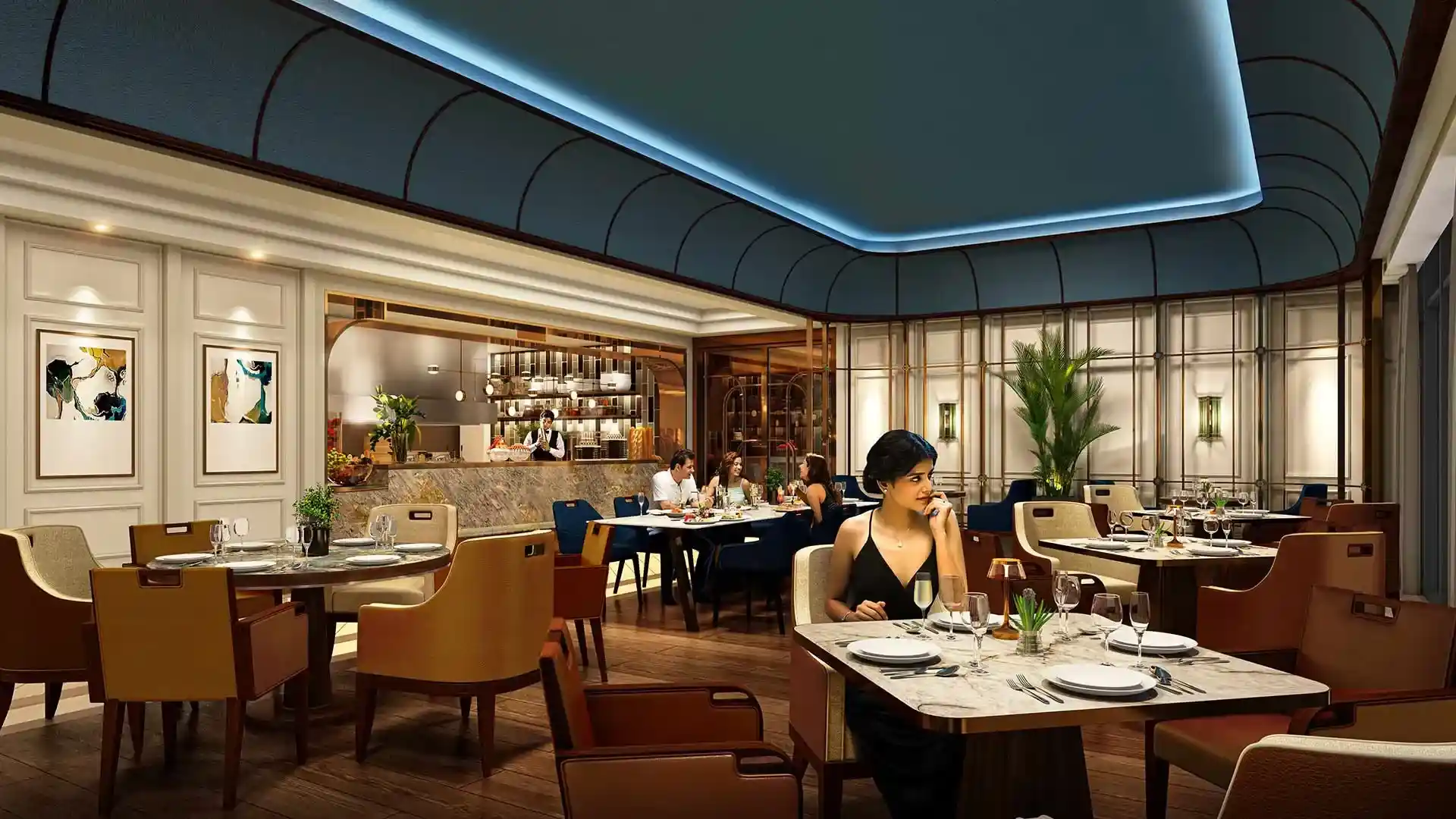
The same applies to social spaces. When they are familiar and easy to reach, people use them informally. Children move toward play areas on their own. Adults spend time in shared zones without setting an agenda. People come and go without coordinating timing.
Leisure blends into routine instead of competing with it.
One of the clearest differences between homes shows up after a few weeks. When amenities are close and simple to use, daily life involves less planning.
A short workout does not need negotiation. Stepping outside does not need justification. Fewer pauses are spent deciding whether something is worth the effort.
Over time, this is what makes a home feel easier to live in; not novelty, but how smoothly weekdays move once routines settle.
Use these questions to look beyond finishes and surface appeal. Focus on effort.
1) Walkability
● What daily activities can you do on foot?
● Do routes feel continuous and safe?
● Can key spaces be reached without detours?
2) Weekday Use
● Would you realistically use these spaces on a workday?
● Can they be used briefly?
● How long does it take to step out and return?
3) Ease Over Time
● After a few weeks, what still gets used?
● What requires the least planning?
● What fits naturally into daily movement?
Homes designed for living make sense after a few weeks. Their value shows up not in how they look, but in how much effort daily life demands.
In Delhi, where time is shaped by movement, the most useful question is simple: how smoothly does the day move here? In places like ONE Midtown by DLF, the answer becomes clear through repeated weekday use, not first impressions.
Disclaimer
This blog is for educational purposes only. Details may change over time. Please verify current information through official documents and authorised representatives.