Some homes look impressive but feel tiring to live in. Others feel comfortable and intuitive almost immediately. The difference is rarely visible in brochures; it shows up in daily use.
These five simple checks help you assess whether a home supports everyday living or quietly creates friction. They are easy to notice during a site visit or within the first few weeks of moving in.
Before focusing on finishes or size, start here.
Some homes tell you how to live. Others simply allow life to happen.
In well-considered residential planning, rooms connect in ways that feel intuitive rather than directive. Movement through the home feels straightforward, without awkward turns or interruptions. Certain spaces naturally draw use, while others remain calm and unobtrusive. The layout does not compete for attention; it supports routine.
At ONE Midtown, this principle extends beyond individual homes. The larger environment is planned to feel continuous rather than compartmentalised. Daily movement flows without interruption, reducing the need to constantly recalibrate where one is going or why.
A good layout does not create habits. It removes obstacles from them.
A home that works well rarely draws focus to itself. Transitions between spaces feel natural. You should be able to understand the home at a glance. If you keep turning corners to ‘find’ spaces, daily life starts to feel like an effort.
Poorly resolved flow introduces friction.
Too many turns. Too many thresholds. Too much negotiation between intention and effort.
Thoughtful residential planning reduces this friction and allows residents to move through their day without spending energy on orientation or adjustment.
Not every pause is planned. Some happen because a space invites it.
Natural light reaching into lived-in areas encourages slower mornings and longer evenings. Open edges between indoors and outdoors soften the boundary between movement and rest. A place to sit appears not as a destination, but as a moment.
In luxury residences, these pauses are designed into everyday paths rather than isolated as features. They are encountered during ordinary movement. This allows rest to occur naturally, without being scheduled or justified.
You don’t have to ‘plan’ rest. The home gives it to you in small moments.
Shared spaces reflect how a place accommodates everyday movement and pause. When shaped around daily circulation rather than display, they become part of the routine rather than a destination.
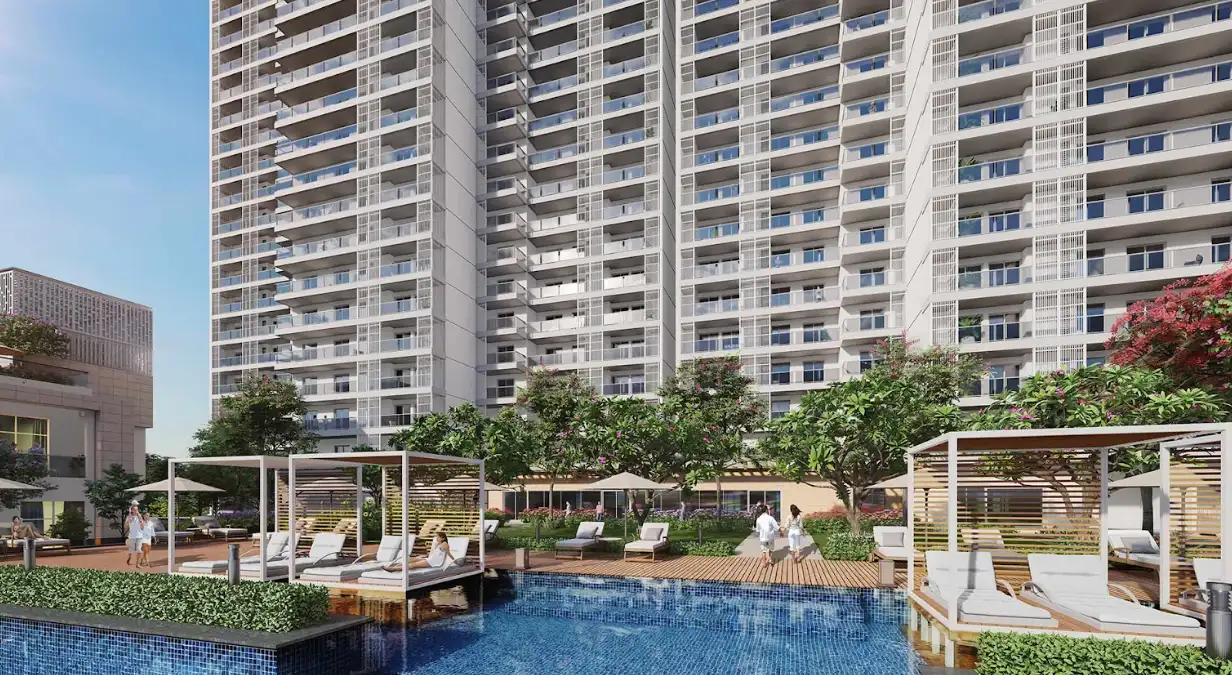
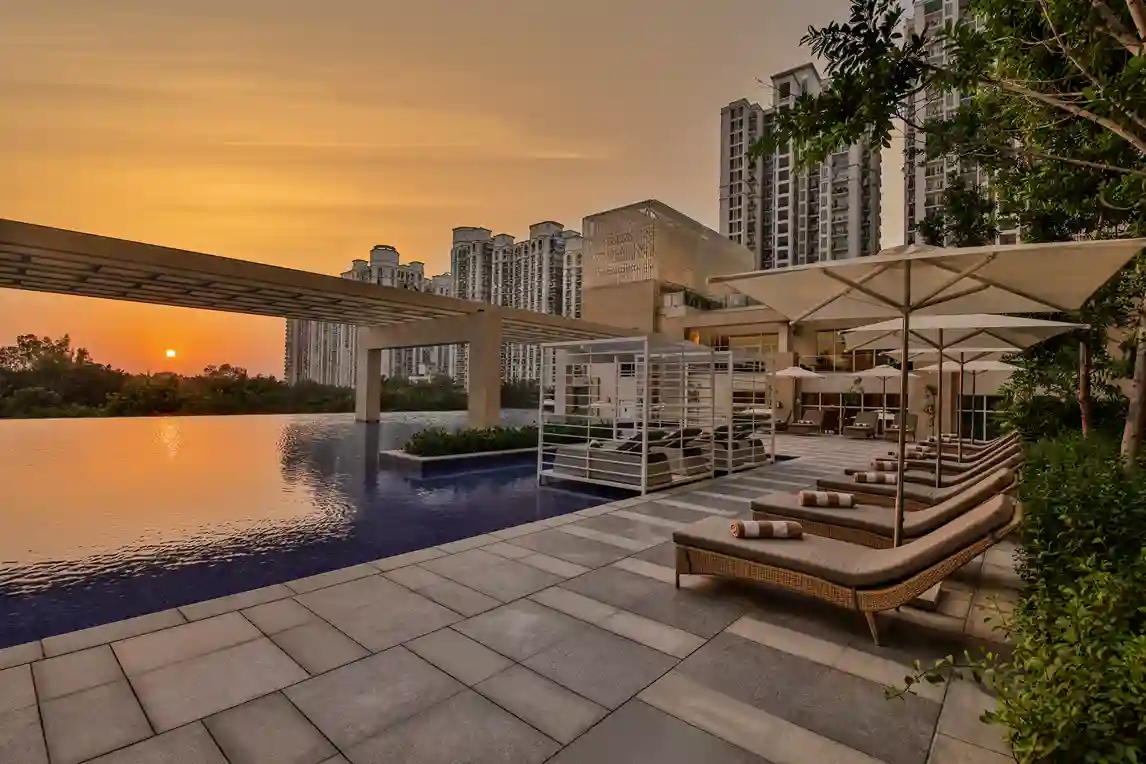
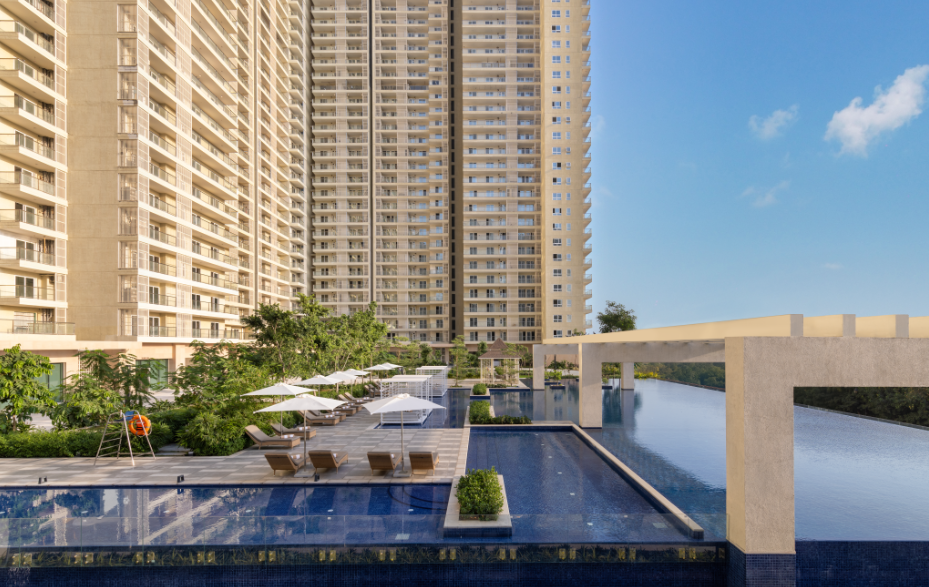
At ONE Midtown by DLF, the primary walkway is organised around a central infinity pool and a shaded garden. The layout allows people to walk the loop, slow down, or sit briefly in the shade. No action is implied.
Water and greenery remain in view as one moves through the space. Sounds stay muted, with footsteps, light water movement, and distant city noise kept in the background. A subtle natural scent from planted areas appears occasionally.
The design does not signal interaction. Sitting does not suggest socialising.
The space doesn’t push you to socialise. You can walk, sit, or leave without it turning into a moment.
This sets a calm emotional tone. Shared areas support presence without expectation, allowing privacy and proximity to exist comfortably within daily routines.
The true test of a home begins after the initial adjustment period. When novelty fades, what remains is design.
Homes planned around daily use tend to age well. They adapt as routines change. They continue to support life when schedules shift and priorities evolve. The environment does not need to be rediscovered. It remains relevant.
The best homes keep working after the shine wears off. That’s what you’re really buying. The emphasis is not on making a statement, but on creating residential environments that continue to function quietly over time.
At ONE Midtown, restraint appears to guide many planning decisions. Design decisions are made to reduce effort, not amplify presence. Spaces are arranged to support daily life rather than interrupt it. Luxury here is experienced through consistency, not spectacle.
This reflects a broader shift in modern luxury living. Premium residential spaces are increasingly judged by how they support wellbeing in practice, not how they perform visually.
Instead of asking whether a home looks impressive, consider different questions:
Luxury residences designed for living tend to make these questions easier to answer.
Disclaimer
This blog is for educational purposes only. Details may change over time. Please verify current information through official documents and authorised representatives.
_11zon.webp)