In many Delhi homes, certain habits develop quietly. Windows are checked before being opened. Balconies are used occasionally, not instinctively. Fresh air is often something people step out to find, rather than expect within the home. Over time, these small adjustments shape how rested, focused, and at ease a space feels to live in.
In response, newer residential thinking has begun to shift. Openness is no longer treated as a mere visual gesture. It is being built into everyday planning. The idea is straightforward. A home does not need to feel like a sealed-off break from the city, but a calmer way of living alongside it.
Open planning is often discussed in architectural terms. In practice, its impact shows up in daily use. Homes with better airflow and longer daylight tend to feel less tiring as the evening rolls in. Rooms feel easier to move through. Circulation feels natural rather than tight.
This often comes down to simple choices. Windows placed on more than one side allow cross-ventilation. Living rooms that are not too deep hold daylight longer into the afternoon. Wider passages reduce the sense of compression. These details quietly shape how a home supports routine.
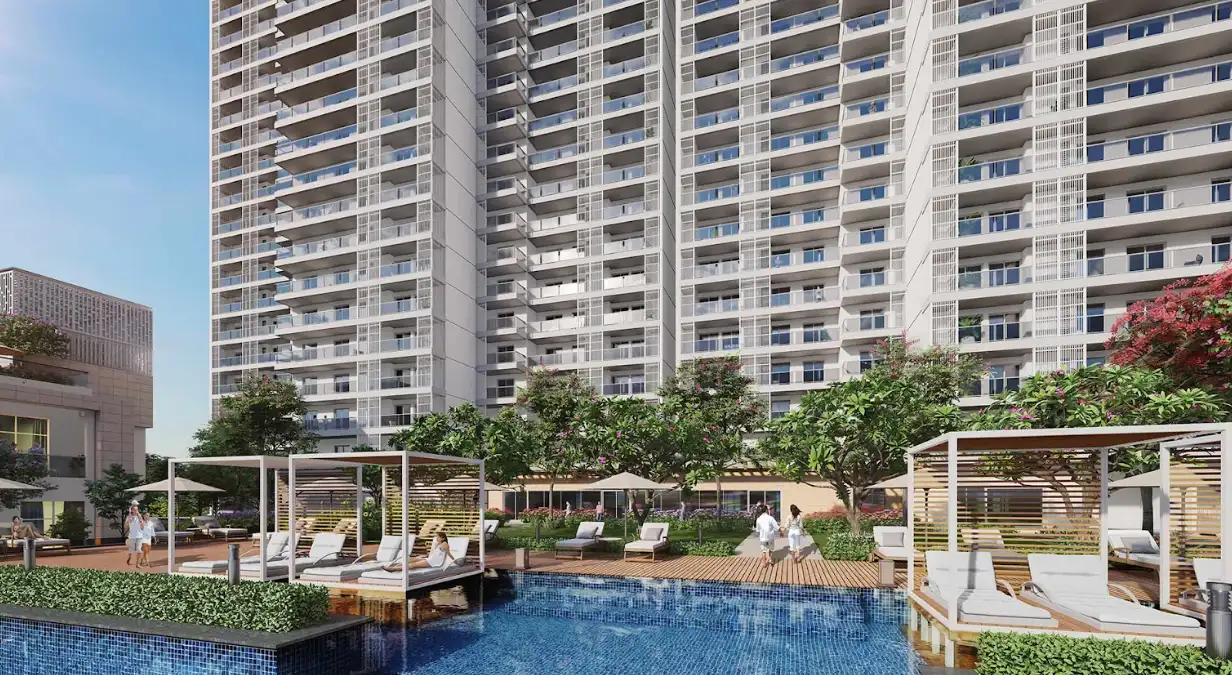
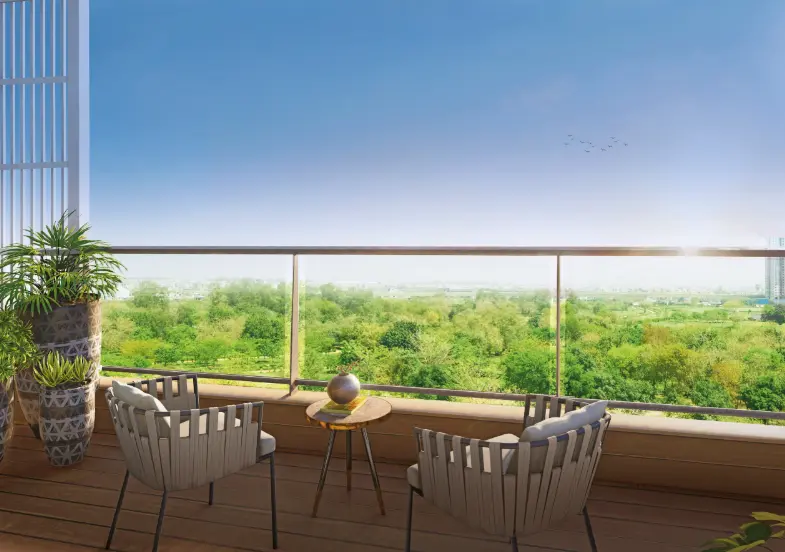
At ONE Midtown by DLF, the experience of looking out shifts depending on orientation. The residences open towards nearly 98 acres of protected greenery. In a dense urban setting, this uninterrupted stretch of green offers consistent visual relief across seasons and times of day.
Other homes look out towards the broader West Delhi skyline. From higher floors, movement is visible without feeling immediate. Traffic flows below. Weather drifts across the frame. The outside changes in light and movement, without pressing into the living space.
Together, these outlooks offer residents different ways to engage with their surroundings. At times, the view invites stillness. At others, it allows observation of the city’s rhythm from a comfortable distance.
Looking out matters more often than people acknowledge. After long workdays. During slow mornings. In moments when the outside feels crowded. Views do not solve the city, but they change how it is experienced from within the home.
When living spaces open towards the skyline rather than directly into another building, a sense of perspective emerges. The city remains present, but not overwhelming. For some residents, this subtle separation eases the constant background tension that dense urban living can create.
Delhi does not need to become less urban to feel more liveable. It needs homes planned around how people actually spend their days indoors. Open layouts, usable outdoor spaces, better airflow, and outward-facing rooms are practical responses to long-standing pressures.
At ONE Midtown, these elements come together as part of a residential approach that prioritises everyday comfort over display. Fresh air, openness, and long views are treated as essentials, not upgrades.
The most meaningful shifts in housing are often quiet ones. A window that stays open longer. A balcony that becomes part of the daily routine. A home that feels lighter by evening.
When fresh air becomes part of the view, the city does not disappear. It simply becomes easier to live with.
Disclaimer
This blog is for educational purposes only. Details may change over time. Please verify current information through official documents and authorised representatives.
_11zon.webp)