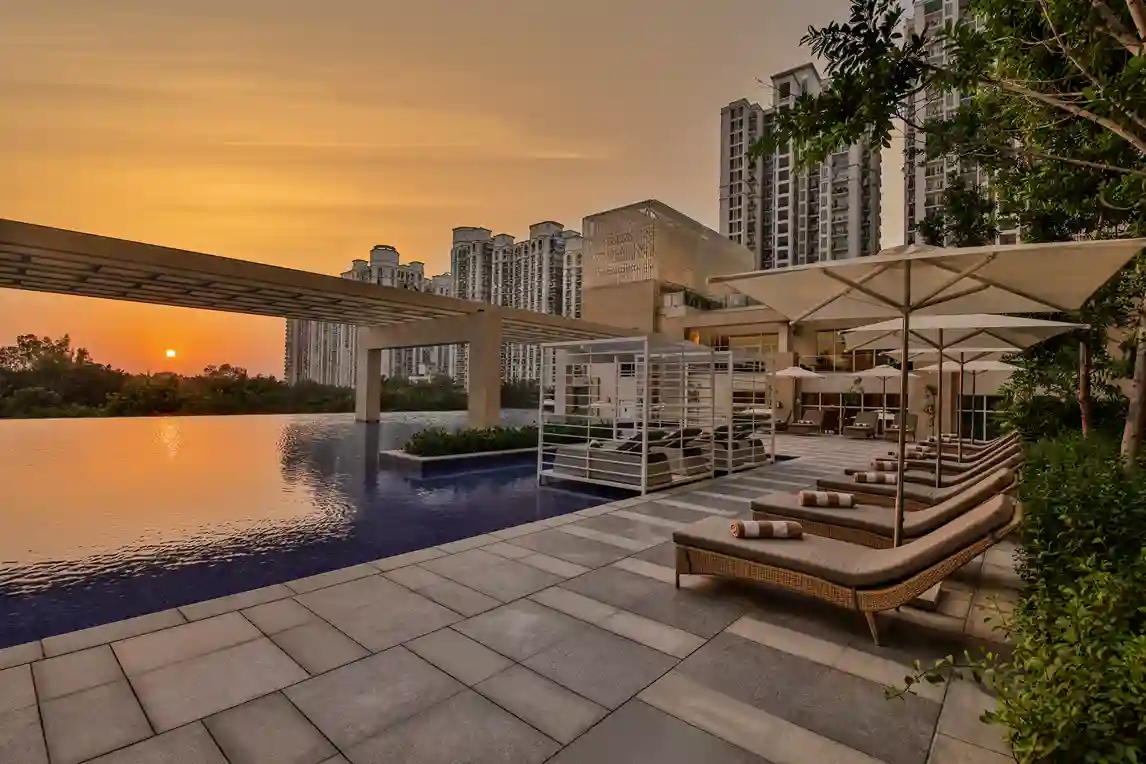
Delhi continues to hold a distinct position in the Indian real estate landscape. While several cities have emerged as strong residential hubs, the capital retains its appeal, particularly in the luxury and premium housing category. For many homebuyers, luxury apartments in Delhi represent not just a residence but a long-term investment rooted in stability, connectivity, and a mature living environment.
Whether you are an end-user planning to upgrade your lifestyle or an investor exploring asset growth, understanding how the market functions can help you make informed decisions. This blog discusses key factors shaping Delhi’s luxury housing segment, compares it with Gurgaon’s premium market, and outlines what buyers should expect from top-tier developments.
Luxury housing standards have evolved considerably. A decade ago, luxury was associated largely with spacious layouts and high-end fittings. Today, the expectations are broader and more defined. Modern luxury flats in Delhi typically offer:
Interior quality remains important, but buyers now place equal emphasis on common areas, on-site services, and long-term maintenance. The goal is a living experience that balances comfort, functionality, and longevity.
In the luxury and premium segment, neighbourhood choice continues to guide buyer decisions. Delhi’s most sought-after locations include Greater Kailash, South Extension, Defence Colony, and parts of West Delhi. These areas have evolved over decades, offering reliable social infrastructure, accessible public services, and strong road connectivity.
In conversations about these neighbourhoods, projects such as Kings Court by DLF in Greater Kailash and ONE Midtown in Moti Nagar (as covered by LiveMint) often come up as examples of the type of planning and community environment buyers seek. These developments are located within mature urban surroundings and provide the convenience of established markets, healthcare facilities, and transit networks. Their mention is useful in understanding how premium projects integrate into long-standing neighbourhoods rather than being positioned in emerging corridors.
A common question among homebuyers is whether they should look at luxury homes in Delhi or consider premium apartments in Gurgaon. Both markets have strong value propositions but appeal to different buyer expectations.
Choosing between premium apartments in Delhi and premium apartments in Gurgaon ultimately depends on the buyer’s lifestyle preferences. Delhi offers legacy value and neighbourhood maturity. Gurgaon offers modern planning and corporate proximity. Both markets have delivered strong long-term performance, but the decision often comes down to convenience and comfort.
Lifestyle amenities are central to the luxury housing experience. Modern homebuyers now expect more than basic facilities. Typical features include:
These amenities provide residents with opportunities for relaxation, social interaction, and routine recreation without leaving the community. Even buyers considering flats in Gurgaon often look for projects with similar amenity offerings, as these features contribute significantly to daily convenience and overall well-being.
Sustainability has become a defining factor in premium real estate. Homebuyers value eco-conscious planning not just for environmental reasons but also for its impact on long-term operational costs. Key sustainability features now commonly included in premium homes are:
Smart home technology has similarly become part of modern luxury living. Features such as app-controlled lights, climate control systems, smart locks, and integrated security systems improve convenience and safety. These elements are increasingly viewed as essential rather than optional.
In luxury housing, the developer’s credibility is a major decision-making factor. Buyers typically look for:
Developers with a long-standing presence in Delhi, such as DLF and others who have shaped major neighbourhoods over the years, often influence buyer confidence. Their past projects illustrate the kind of planning, construction quality, and upkeep that new developments can be expected to follow. This becomes especially relevant in micro-markets such as Greater Kailash or Moti Nagar, where earlier projects have contributed to shaping overall residential standards.
Many buyers explore luxury homes not only for end use but also for investment. Delhi’s premium housing segment has shown steady long-term performance due to:
Luxury apartments in New Delhi generally maintain strong resale value, particularly in neighbourhoods where future supply remains restricted. Investors who prioritise stability often prefer Delhi, while those seeking faster appreciation in emerging corridors may explore Gurgaon’s rapidly developing sectors.
Before finalising a luxury home purchase, buyers should consider:
Evaluating these aspects helps ensure that the property aligns with lifestyle needs as well as long-term investment goals.
Delhi continues to stand out as a strong market for luxury housing, with its established neighbourhoods, reliable infrastructure, and long-term value stability. For homebuyers prioritising connectivity, community comfort, and urban convenience, the city offers a wide range of thoughtfully designed options. Developments located in mature areas such as those in Greater Kailash or West Delhi illustrate how modern residences can be integrated into long-standing neighbourhoods. Projects including communities like Kings Court by DLF and ONE Midtown provide useful examples of how premium developments blend contemporary planning with the advantages of well-connected surroundings.
As the demand for premium living continues to grow, luxury apartments in Delhi remain an appealing choice for buyers seeking both lifestyle quality and long-term security. Whether evaluating established localities in South Delhi or emerging, well-linked pockets in other parts of the city, Delhi offers a diverse set of options suited to different priorities and investment goals.
FAQs
Ans: Buyers should review the location, connectivity, developer reputation, construction quality, legal approvals and the overall amenity offering. It is also important to evaluate property management standards, maintenance costs and long-term value potential to ensure the asset aligns with both lifestyle needs and investment goals.
Ans: Maintenance costs vary depending on the size of the apartment, the scale of amenities and the management structure. Premium developments with extensive amenities and professional management teams may have higher charges, but they also offer better upkeep, consistent service quality and long-term asset preservation.
Ans: The track record of the developer plays a significant role when purchasing a luxury home. A well-established developer is more likely to follow approved processes, maintain construction quality, deliver projects as scheduled and ensure transparent documentation. Developers with a long presence in the industry, such as DLF and other reputed national builders, have shaped large residential neighbourhoods over several decades, which gives buyers greater confidence in long term maintenance standards and overall asset stability. Choosing a trusted developer helps buyers reduce risk and ensures that the community remains well managed in the future.
Ans:Yes. Luxury apartments are designed to support multi-generational living with features such as secure entry, elevators, landscaped areas, walking tracks, community lounges and easy access to healthcare facilities. Families benefit from well-planned amenities, children's friendly zones and strong social infrastructure.
Ans: Buyers should verify land titles, layout approvals, environmental clearances, occupancy certificates and all regulatory permissions. It is advisable to review sale agreements carefully and consult a qualified legal professional to ensure complete clarity before proceeding.
Ans: Connectivity plays a major role in driving demand. Areas with reliable metro access, well maintained road networks and proximity to workplaces, educational institutions and commercial hubs attract higher buyer interest. Strong connectivity also reduces commute time and enhances daily convenience.
Disclaimer: This blog has been written exclusively for educational purposes. The information mentioned are only examples and not recommendations. It is based on several secondary sources on the internet and is subject to changes. Please consult an expert before making related decisions
_11zon.webp)