.png)
Today, city life is defined by access. Workplaces, transport links, social spaces, and essential services are expected to be close at hand. Yet proximity often carries an unspoken cost. Noise, congestion, and constant stimulation can begin to shape everyday life in ways that feel intrusive rather than enabling. As cities grow denser, the aspiration has quietly evolved. It is no longer just about being close to everything, but about being close without feeling overwhelmed.
For many homebuyers exploring luxury homes in Delhi, especially within West Delhi’s established and emerging neighbourhoods, this shift has become central to decision-making. The question is no longer whether a home is well-connected, but whether it can offer connectivity while still preserving calm.
Can daily convenience coexist with personal space and peace of mind? The answer lies in how thoughtfully a residential community is planned.
Effortless connectivity has a direct impact on everyday ease. Being minutes away from metro stations, arterial roads, and key city corridors reduces the amount of cognitive load associated with daily travel.
Commutes become predictable. Time spent planning routes or accounting for delays is reduced. As a result, stress begins to ease through better structure rather than conscious effort.
Homes with close proximity to the metro are often sought after for this reason. However, proximity alone does not guarantee comfort. What matters equally is how the access is managed. When residential zones are buffered from traffic and commercial intensity through careful layout and spatial planning, residents experience the advantages of location without absorbing its disruptions.
This distinction defines truly well-connected residential communities. They allow residents to move efficiently through the city during the day and return to environments that feel composed, familiar, and personal.
Human-scale living is not about retreating from the city. It is about designing residential environments that align with everyday human rhythms. Walkable internal roads, intuitive circulation, and clear transitions between shared and private spaces create a sense of control and comfort.
In communities designed at this scale, residents are not constantly reacting to their surroundings. Distances feel manageable. Movement feels natural. Transitions from street to home and from shared to private spaces occur gradually, allowing the day's pace to soften without conscious effort.
This approach is particularly relevant in luxury apartments in West Delhi, where the surrounding urban fabric is active and continuously evolving. Thoughtful planning ensures that while the city remains close, its urgency does not spill into daily living.
Luxury today is increasingly defined by experience rather than display. It is found in environments that make everyday life feel intuitive, calm, and unforced.
Shared spaces, when integrated into everyday circulation rather than treated as isolated features, encourage organic interaction. Neighbours become familiar through repeated, low-pressure encounters. Children find room to move freely within visible and secure environments. Adults experience connection without obligation.
This sense of community does not emerge solely from programming. It is shaped by layout, walkability, and proportion. In luxury apartments in Delhi that prioritise these qualities, social connection becomes a natural outcome of design rather than an expectation.
West Delhi has steadily emerged as one of the best locations to live in Delhi, precisely because it offers balance. Established infrastructure, expanding metro-connected neighbourhoods, and improving road networks ensure strong access to central and commercial districts. At the same time, residential pockets retain a sense of openness that is increasingly rare.
In well-planned residential projects in West Delhi, greenery, internal zoning, and thoughtful setbacks help absorb urban noise and visual clutter. Roads and transit lines remain accessible, but they do not dominate the living experience. The result is peaceful living in Delhi that feels connected rather than remote.
This balance supports a more stress-free urban living experience, where daily routines flow smoothly, and the city feels navigable rather than demanding.
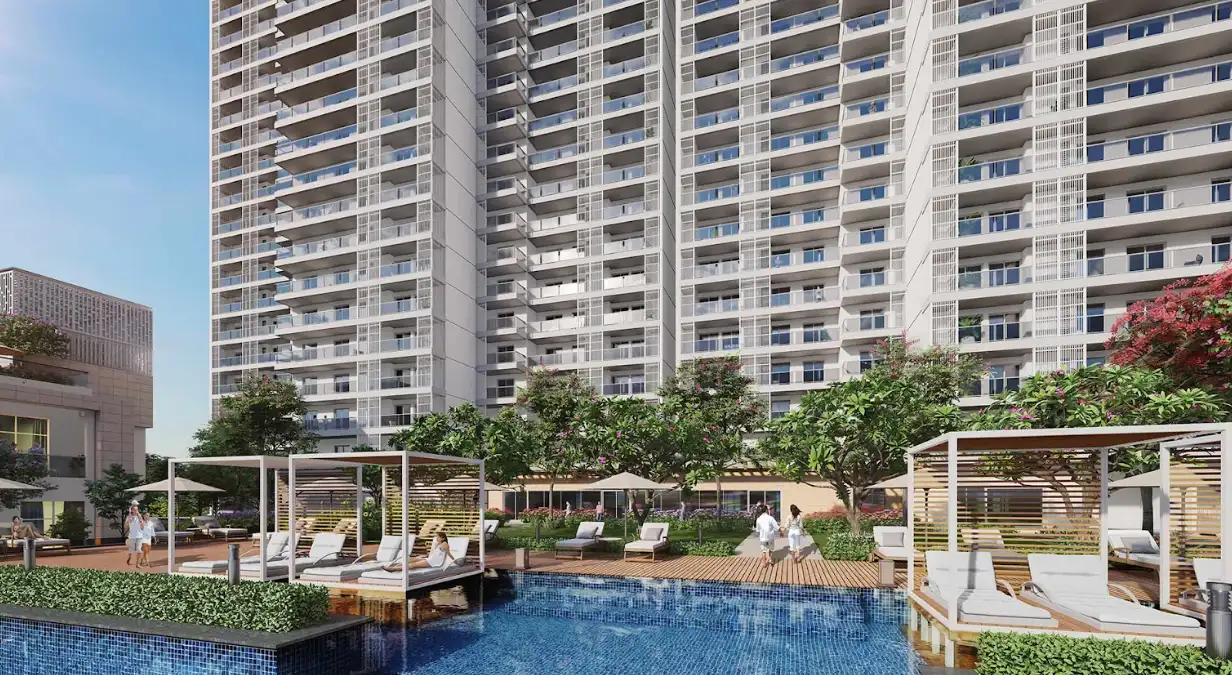
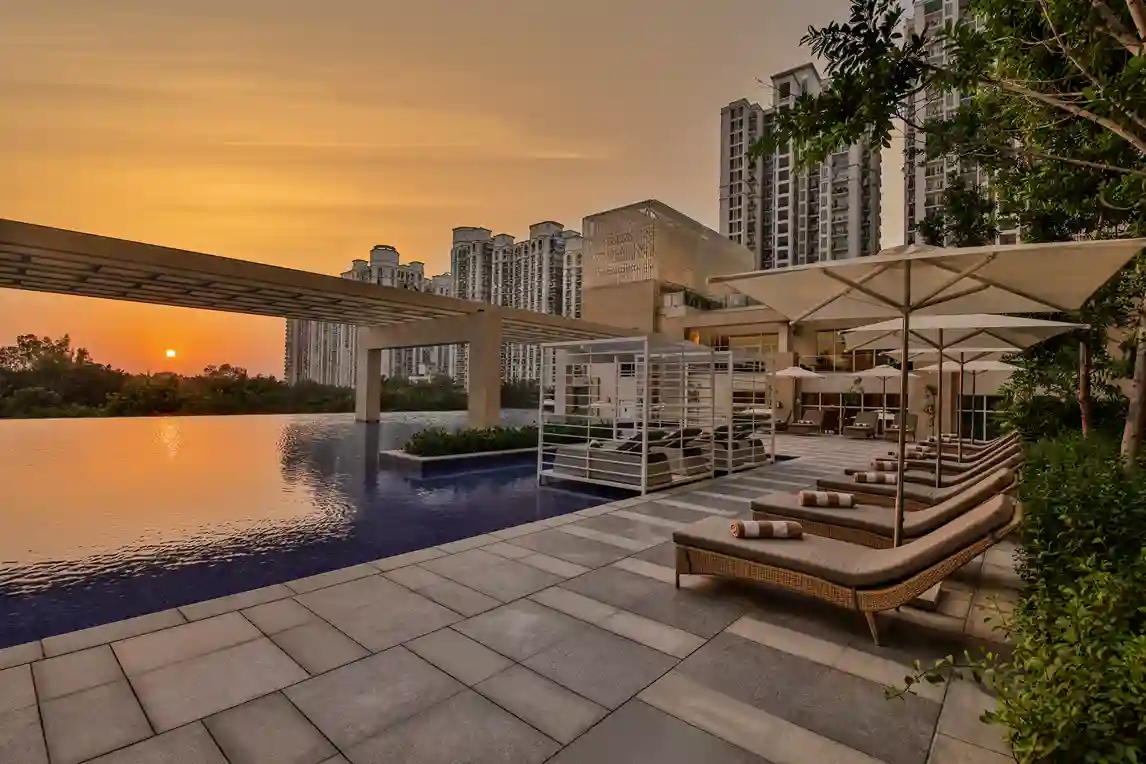
At ONE Midtown, the relationship between connectivity and calm is shaped through deliberate planning decisions. The location offers proximity to metro lines, arterial roads, and key urban destinations, while the internal environment is designed to soften their impact.
Residential areas are buffered through landscaping and spatial layering. Movement within the community prioritises walkability and clarity. Shared spaces are designed to support everyday use rather than to draw visual attention. Over time, this planning creates an environment that feels predictable, legible, and comfortable.
This reflects a broader approach seen across luxury homes in Moti Nagar that are designed for wellbeing. Location here is not simply about access. It becomes part of a larger ecosystem that supports comfort, balance, and long-term livability.
Choosing a home today is increasingly about choosing how one wants to live. For many, the ideal lies in a balanced city lifestyle, where access does not come at the cost of peace, and proximity simplifies life rather than complicating it.
Homes that are minutes away from the city’s key destinations, yet thoughtfully shielded from its intensity, offer a quiet form of luxury. They allow residents to reclaim time, reduce stress, and move through daily life with greater ease.
In such homes designed for wellbeing, slowing down does not require withdrawal from the city. It happens naturally, through environments that respect human pace while remaining firmly connected to urban life.
Disclaimer
This blog is for educational purposes only. Details may change over time. Please verify current information through official documents and authorised representatives.
_11zon.webp)