City life moves fast, and in a place like Delhi, the pressure shows up in small ways. Noise builds up. Air feels heavy. Even a well-finished apartment can feel draining when the design ignores light, airflow, and green space.
That is why buyers now look for more than a good address. They want homes that feel calm on an ordinary day. They want morning light, better air movement, and views that give the mind a break.
In modern homes, nature is no longer treated like décor. It is part of the design philosophy. The strongest projects plan for sunlight, ventilation, greenery, and openness from the start. That is what makes daily life feel lighter, healthier, and more balanced.
Natural light in homes does much more than improve appearance. It changes the mood of the space and the rhythm of the day.
A living room with good daylight feels more active in the morning. A work corner with natural light feels easier to use for long hours. Even basic daily routines feel less tiring in a home that does not depend on artificial lighting all day.
This is why nature-inspired design often begins with openings, orientation, and layout. In well-designed homes, the goal is not only larger rooms. The goal is to make light travel well across the home so spaces feel open and usable.
Homes with balconies also support this experience. They extend the living area, bring in daylight, and create a more natural connection between inside and outside.
Homes with better ventilation usually feel calmer over time. They feel less closed, less stale, and more comfortable through the day.
In dense urban environments, ventilation planning matters just as much as finishes. Buyers increasingly look at how a home breathes, not just how it looks. Good airflow, thoughtful window placement, and well-planned building systems all shape daily comfort.
In well-planned developments, this may also work alongside insulated windows and centralized air systems to improve indoor comfort. The practical takeaway for buyers is simple. Ask how airflow and air treatment are handled before you decide.
People often think of greenery as a visual bonus. In reality, it affects how a home feels to live in.
A view of trees instead of traffic can soften the day.
A landscaped path can make evening walks easier to sustain.
A calm outdoor corner can become part of a daily routine.
This is why green spaces in apartments and luxury homes with greenery have become central to residential planning. Buyers are not only evaluating the apartment itself. They are evaluating the emotional effect of the surroundings.
Green and open living spaces help reduce the mental fatigue that comes with dense city life. They create visual breathing room, and that has real value in everyday living.
Open green planning does more than improve aesthetics. It changes how people use the community.
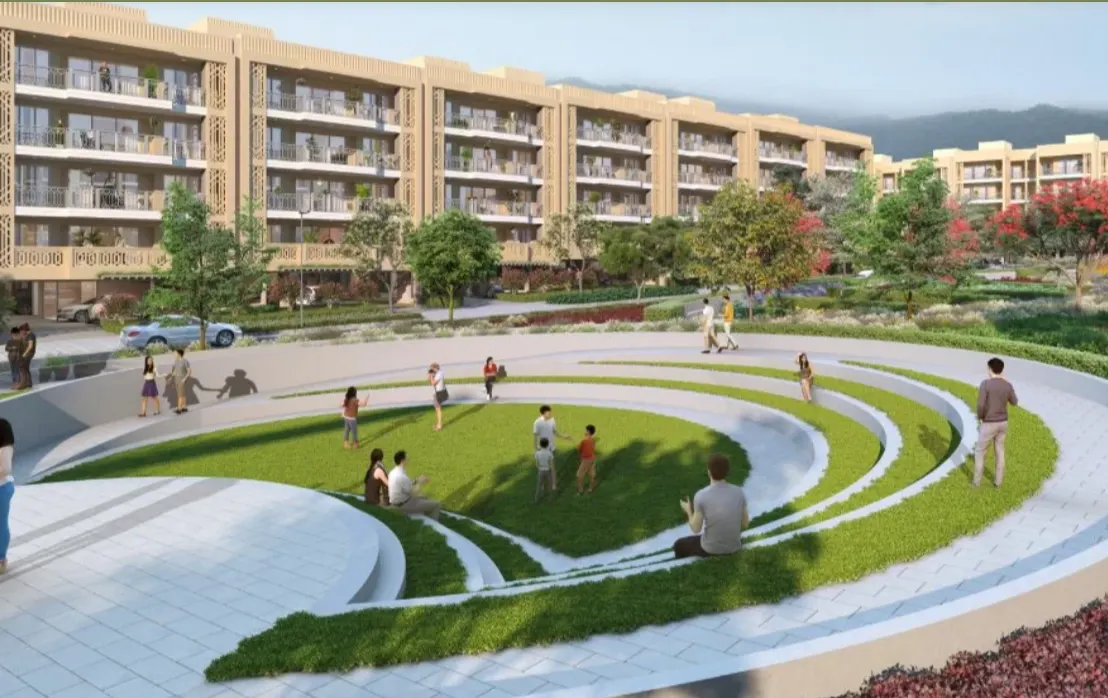
When landscaped residential spaces are well designed, residents walk more. Children spend more time outdoors. Families use the common areas more naturally. Even short breaks feel restorative.
This is where modern homes with gardens and landscaped surroundings stand out. They support slower, healthier routines without forcing residents to leave the property just to find calm.
That is also why wellbeing-focused housing continues to gain relevance. A home that helps you recover from the city becomes more valuable over time.
Open layout apartments make nature easier to feel indoors. They improve the movement of light, strengthen airflow, and create better sightlines to balconies, decks, and green edges.
A home can have great materials and still feel closed. The difference often comes down to layout. When the planning is right, the space feels lighter because the design allows openness to do the work.
Strong high-end residential design usually shows this in clear ways:
This is where homes with balconies become especially important. A balcony that is truly usable becomes a daily extension of the home, not just a token feature in the brochure.
Many buyers assume they have to choose between urban access and a calmer living environment. The best modern eco-friendly homes challenge that idea.
The right development can offer both, but only when the architecture, landscape, and site planning work together. Nature has to be integrated into the everyday experience, not added as a final layer.
This is what makes thoughtfully designed luxury homes feel different. They support city life while softening its harsh edges.
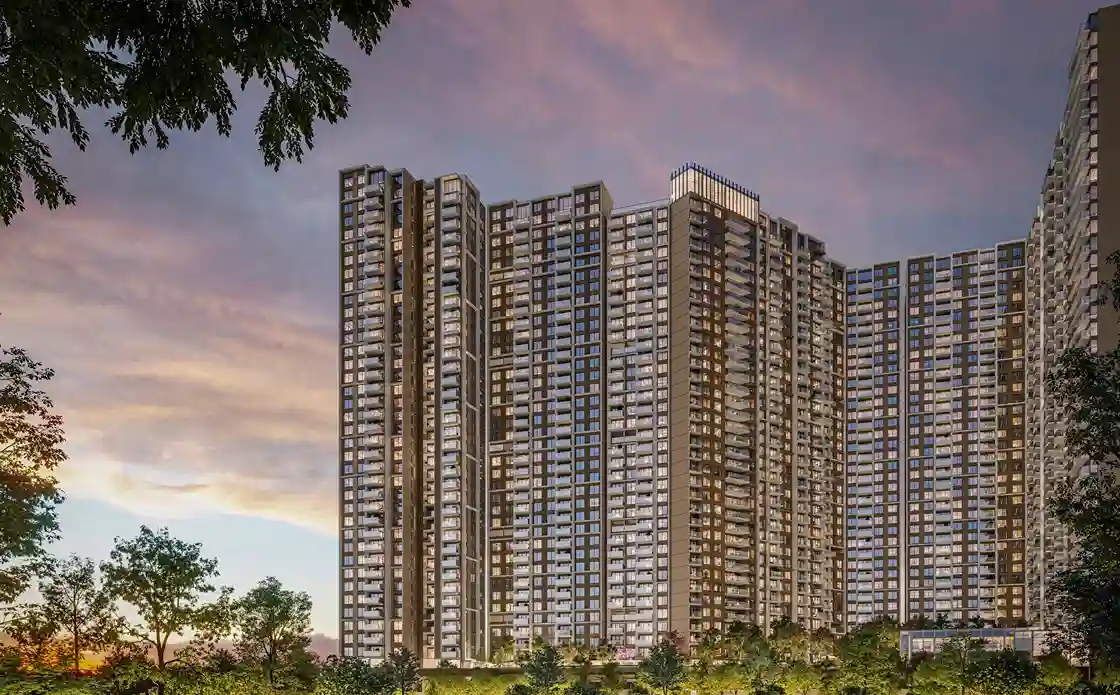
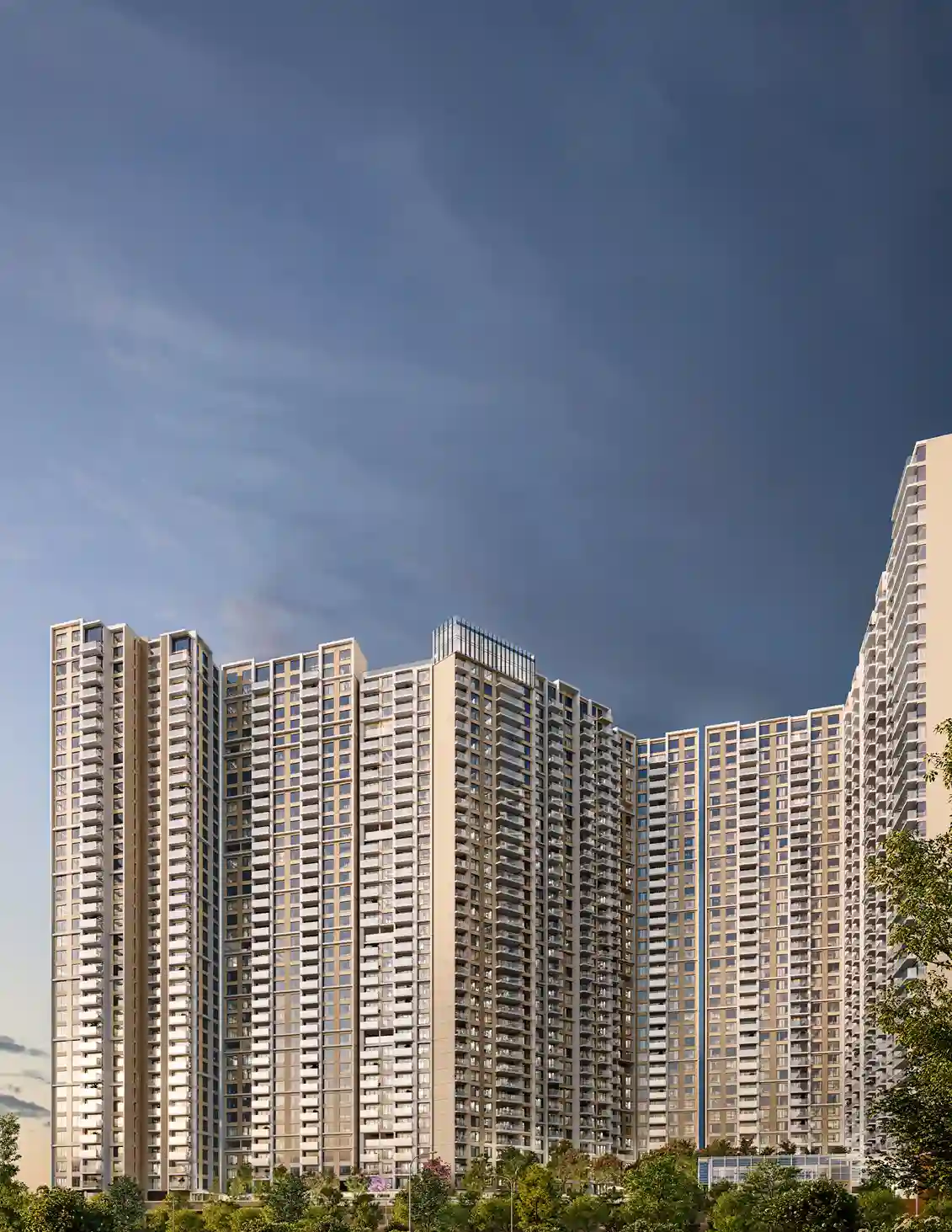
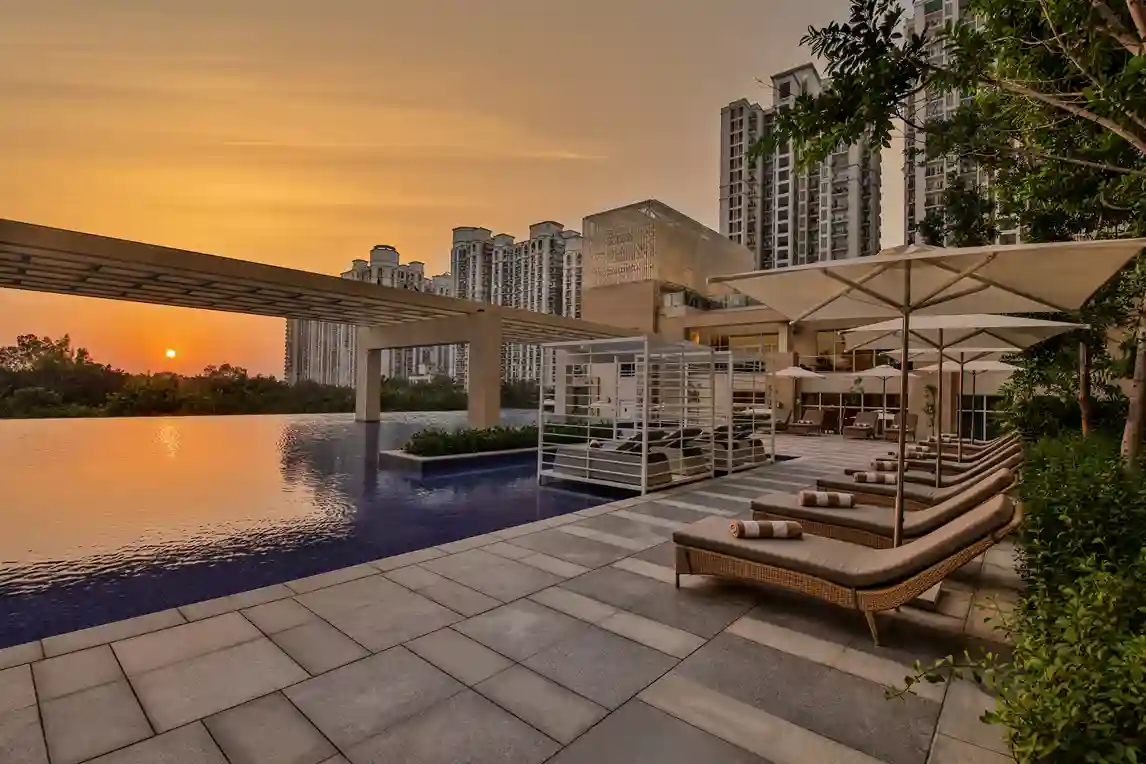
ONE Midtown by DLF in West Delhi offers a useful example of how nature and urban living can coexist in a residential development.
The project brings together several design choices that support this balance, including spacious decks, landscaped garden areas, terrace gardens, and green-facing views. These features support ONE Midtown green living, helping residents stay connected to open space even within a dense city context.
ONE Midtown by DLF in West Delhi offers a useful example of how nature and urban living can coexist in a residential development.
The planning also extends beyond visuals. The development includes broader sustainability measures such as rainwater harvesting, wastewater recycling, [LS2.1][AB2.2]and solar water heating. These decisions support a more future-ready housing model while strengthening long-term comfort and efficiency.
The planning also extends beyond visuals. The development includes broader sustainability measures such as rainwater harvesting, wastewater recycling, [LS2.1][AB2.2]and solar water heating. These decisions support a more future-ready housing model while strengthening long-term comfort and efficiency.
The question to ask is not only what green features exist, but how consistently they are managed in daily life.
A nature-led home should perform well in real life, not just look good during a site visit.
If you are evaluating residential spaces, check these points carefully:
1. Natural light in key living areas
Visit during daylight hours and see how much sunlight reaches the living room, bedrooms, and work-friendly corners.
2. Ventilation quality
Ask about airflow planning, window placement, and any centralized systems that support indoor comfort.
3. Usable outdoor space
Check whether balconies or decks are large and practical enough for daily use.
4. Walkable green spaces
Look for landscaped surroundings that residents can actually use, not just decorative patches.
5. Long-term landscape upkeep
Ask who maintains the green areas, how often they are serviced, and what the upkeep model looks like.
These checks help buyers identify peaceful living spaces that remain comfortable over time.
The future of modern luxury living is not only about interiors. It is about how the home feels from morning to night.
Natural light in homes, better ventilation, green views, and open planning all shape that experience. They improve comfort, support mental clarity, and make daily routines feel less stressful.
This is why nature-inspired design is now central to luxury living with comfort. It is not a style trend. It is a design response to how people actually want to live in dense cities.
For buyers looking at luxury residences designed for living in Delhi, developments such as homes at ONE Midtown by DLF show how nature, planning, and city convenience can be brought together in a practical, livable way.
Disclaimer: This article is for educational purposes only. Details may change over time. Please verify current information through official documents and authorised representatives.