Most people think of a home in physical terms first. Size. Layout. Storage. Location. Light.
All of that matters. But there is another quality that shapes daily life just as deeply, even if it is harder to name at first.
How much effort does a home ask of the mind?
Modern life is full of small decisions. What to answer first. What to postpone? What to buy? What to remember? What to carry into tomorrow? By the time the day begins to close, many people are no longer looking only for comfort. They are looking for relief.
This is where the home begins to matter in a different way.
A well-considered home does more than shelter daily life. It can reduce friction within it. It can make routines feel clearer, movement feel easier, and ordinary choices feel less tiring.
That is a quieter, but increasingly meaningful, marker of quality.
Decision fatigue rarely arrives dramatically. It builds through repetition.
It appears in the mental drag of a cluttered surface that never fully clears. In the hesitation created by awkward storage. In the extra thought required to move through cramped layouts. In the small but constant negotiations that happen in homes that do not support the rhythm of the people living in them.
Over time, that friction accumulates.
This is the true value of a minimalist approach. Its real contribution is not emptiness for its own sake. It is mental ease. It is the feeling of entering a space that has already done some of the work for you.
When a home is planned well, it becomes easier to know where things belong and easier to move from one part of the day to another. Visual clutter no longer turns so easily into mental clutter. Over time, the home begins to feel as though it is holding life together rather than asking to be managed all the time.
That is what a truly stress-free living environment begins to mean. It is far more than a styled image or a severe aesthetic. It is simply a home that reduces unnecessary decisions.
This often comes down to details that appear practical on paper but feel deeply emotional in real life.
A clear layout reduces hesitation. You do not have to keep negotiating how to move through space.
Thoughtful storage reduces visual overload. A room feels calmer when it is not asking the eyes and mind to process too much at once.
Natural light changes the emotional tone of a home across the day. It helps spaces feel more legible, more breathable, and less mentally compressed.
A stronger relationship between indoor and outdoor space can soften the mind as well. A deck, an open view, or even visual release toward landscaped areas can interrupt the boxed-in feeling that urban life often creates.
These choices may sound modest. Their effect is not.
The best homes often feel easy long before they feel impressive.
In a city like Delhi, the mind is already working hard.
Days move quickly. Travel takes energy. Work often stretches beyond office hours. Family schedules overlap. Digital life follows everyone's home. Under these conditions, the house cannot remain a neutral backdrop. It becomes part of the mental environment.
That changes what buyers begin to value.
They are no longer looking only for a home that functions. They are also looking for one that restores. A home where returning in the evening feels like stepping out of one mode of thinking and into another. A home where the next small task does not always seem to be waiting in every corner.
This is why the idea of experiential living continues to deepen. The question is no longer only whether a residence looks refined. It is whether it helps daily life feel less fragmented.
At ONE Midtown by DLF, this idea becomes easier to understand through lived experience rather than theory.
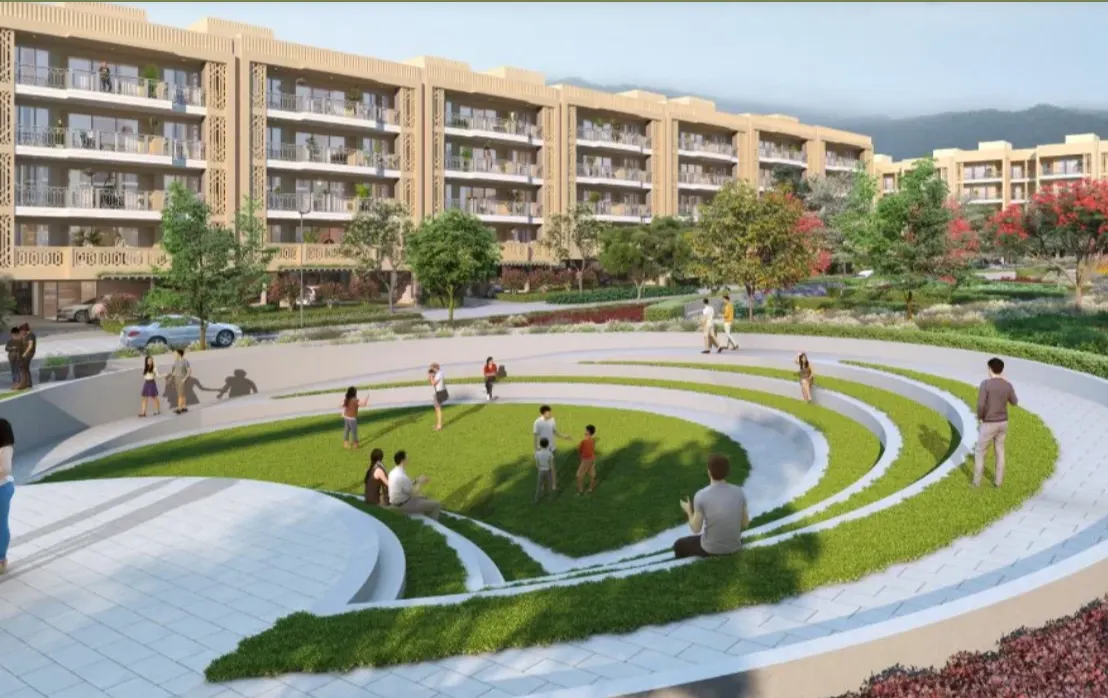
The appeal of this address does not rest only in its location or architecture. It also lies in the way the environment supports a more composed everyday rhythm. Arrivals feel calmer. Movement through development feels more open. Shared spaces and landscaped views create a sense of visual release. Decks extend the living experience outward, allowing the home to feel less enclosed and more breathable.
Inside the residence, this translates into something simple but valuable: less compression.
When the larger setting feels ordered, the home itself begins to ask less of you. There is less mental crowding. Less a sense of being boxed in by the city. Less need to constantly compensate for the shortcomings of the environment.
That matters because ease is rarely created by one dramatic feature. It is usually the result of many well-judged decisions working quietly in the background.
One of the most meaningful changes in residential design today is the shift from efficiency to emotional usefulness.
A good home may help life run smoothly. A truly considered home can return a measure of attention to the person living in it.
It reduces the number of things that need to be managed while supporting routines without making them feel mechanical. Over time, it creates enough clarity that the mind no longer must work so hard once the front door closes.
That is not an extravagant promise. It is a human one.
For many buyers today, it is becoming one of the clearest signs of real quality.
In the end, one of the most valuable things a home can offer is not more stimulation, but less strain.
Many spaces fail to achieve this balance. Some homes are added to the day. They create more things to organize, more surfaces to manage, more visual information to absorb, and more small decisions to make.
Others do the opposite.
They simplify. They settle. They make room for the mind to loosen its grip a little.
That is the difference between a home that occupies your attention and a home that quietly gives some of it back.
That is also what makes ONE Midtown feel increasingly relevant today. It responds to a modern need that is often felt before it is spoken.
That is also what makes ONE Midtown feel increasingly relevant today. It responds to a modern need that is often felt before it is spoken.
Disclaimer: This blog has been written exclusively for educational purposes. The information mentioned are only examples and not recommendations. It is based on several secondary sources on the internet and is subject to changes. Please consult an expert before making related decision