copy 2 (1) (1) (2) (1).webp)
For a long time, weekends were defined by departure. Leaving the city marked the transition from work to rest. Bags packed, traffic endured, short breaks compressed into limited time. That model assumed recovery required distance.
Increasingly, that assumption is being questioned. For many urban residents, rest is no longer about going elsewhere, but about changing pace. A weekend spent at home is no longer seen as a fallback. It is becoming a deliberate choice.
It’s a small shift, but it changes how weekends feel.
The appeal of staying home is not about inactivity. It is about removing urgency. When travel is eliminated, time stops being divided into departures and returns.
Mornings unfold more slowly. Coffee is made without checking the clock, sometimes taken downstairs to a café rather than rushed at the kitchen counter. Coffee can be slow. A walk can be spontaneous. The day stays open.
A walk happens because you feel like it, not because you scheduled it. Afternoons remain open-ended. Evenings are no longer shaped by the need to reset for the journey back.
What changes most is how energy is spent. Planning, packing, and commuting demand mental effort. When these are removed, attention shifts naturally toward rest, light activity, or simple presence. Over time, weekends feel less compressed. Sleep improves. Routines loosen. Sunday evenings arrive without resistance.
For many households, the difference is not how much they do, but how they feel when the weekend ends.
Homes that support weekends reduce the effort required to use them. Leisure does not depend on size or decoration, but on how easily spaces can be entered, used, and left without planning.
Circulation that supports walking encourages movement through the day. Shared outdoor areas can be used without preparation. Seating supports short, casual use rather than formal hosting. These design choices lower the threshold for doing something—or nothing.
When leisure spaces are easy to access, activities happen in shorter, repeatable intervals. A swim replaces an outing. A workout fits between meals instead of being scheduled around travel. Time outdoors occurs briefly and often, rather than being arranged.
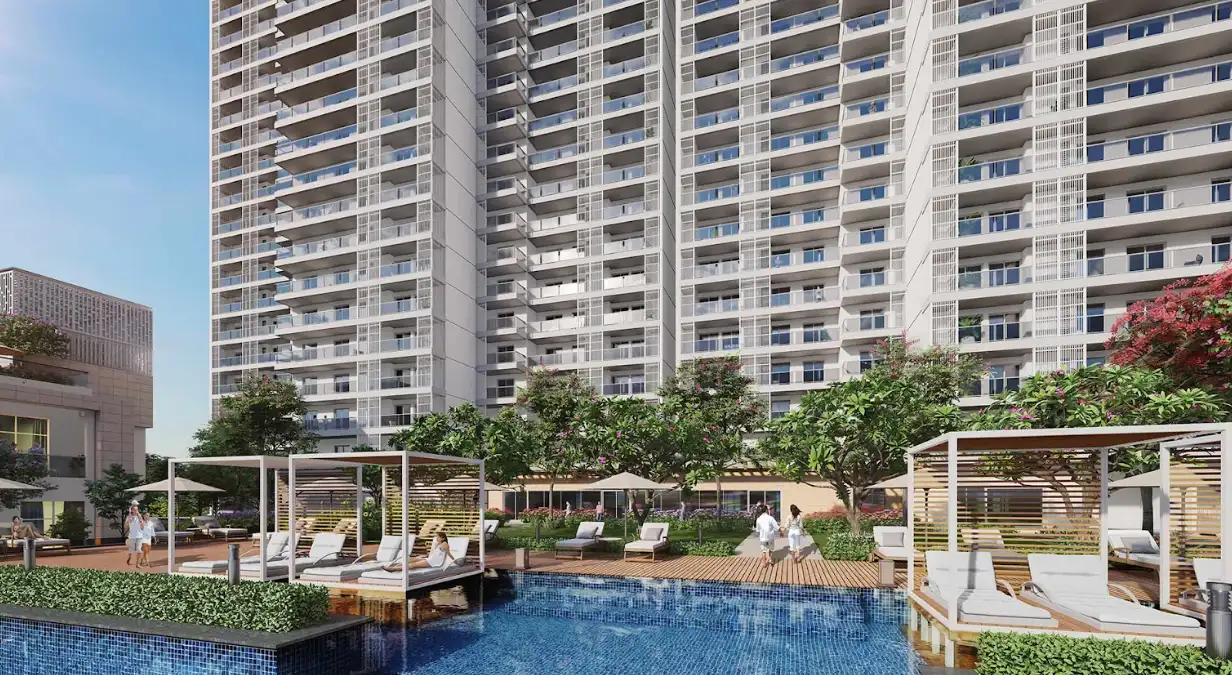
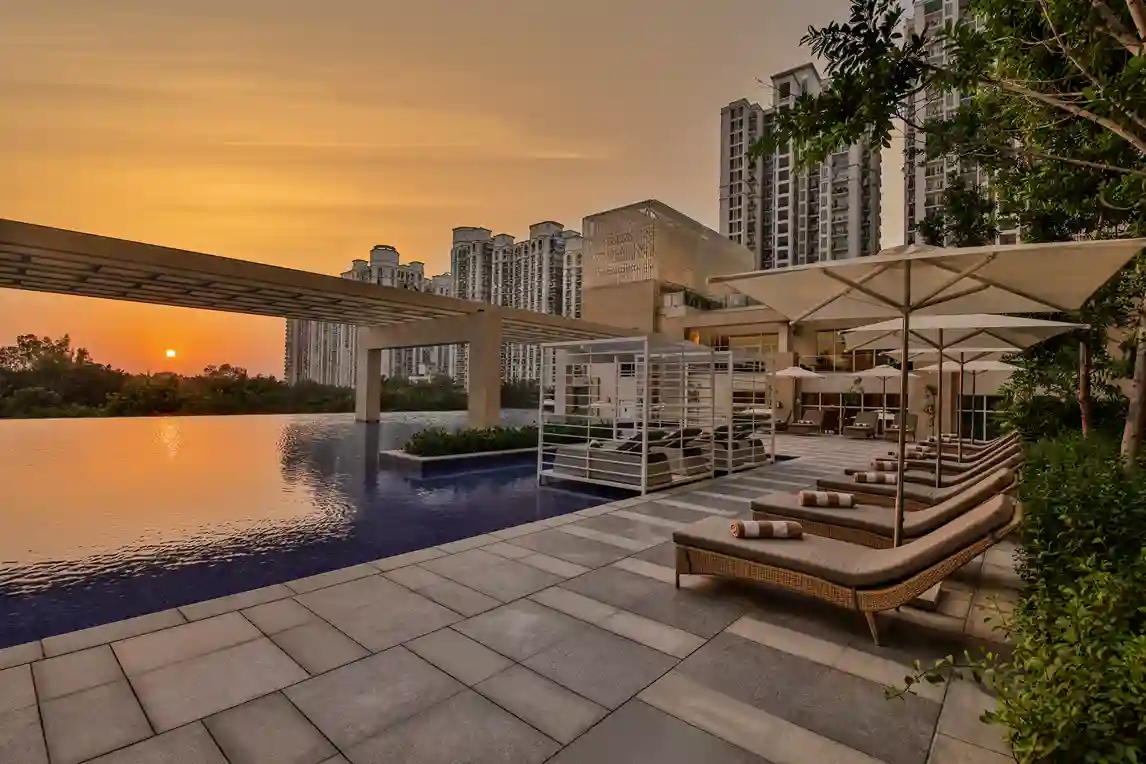
At ONE Midtown, this shows most clearly on weekends. The gym is used in short, routine sessions. The infinity pool [LS1] supports brief, unscheduled use. Fitness and recreation fit into the day without requiring planning or coordination.
Because amenities are close at hand, habits repeat. Small breaks accumulate instead of fragmenting the day. Over time, weekends feel balanced not because more happens, but because less effort is required for each activity.
Weekends are also social, though rarely in organised ways.
Proximity enables familiarity. On weekends, that familiarity shows up casually. A greeting near the café. A brief conversation after a swim. Shared presence without obligation.
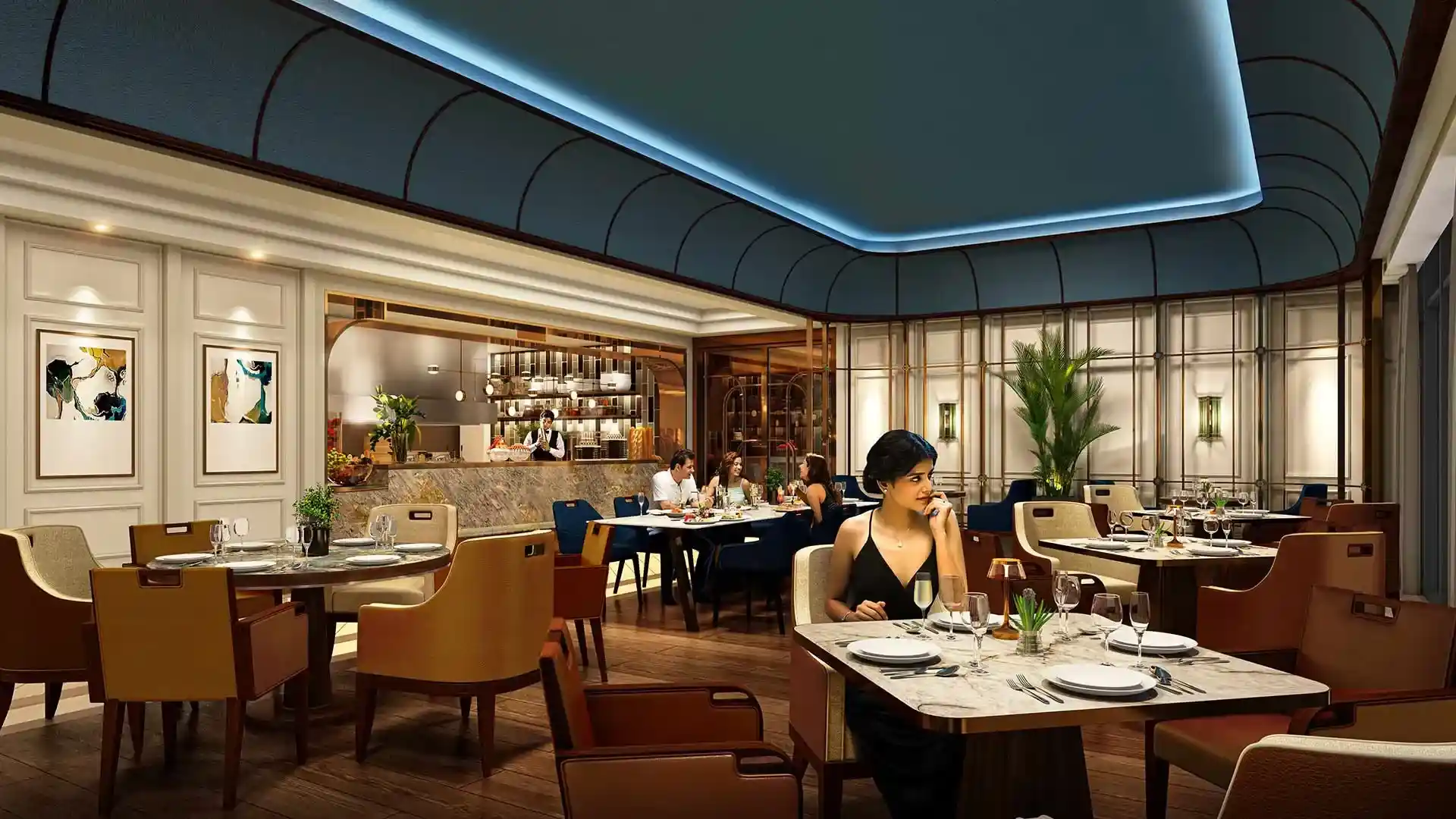
Dining and leisure spaces support this rhythm. The restaurant stays active without feeling loud during lunch hours, with open kitchens carrying sound and aroma into shared areas. The bar and salon draw people in briefly rather than anchoring entire evenings. Engagement remains optional, and withdrawal remains easy.
This balance supports a slower mode of living. Interaction happens naturally. Privacy is preserved. The environment allows both without forcing either.
In Delhi, stepping out often means traffic, parking, and crowds, even for small plans. Visual markers of status give way to quieter measures. Comfort on ordinary days. Flexibility of use. The ability to support life beyond work hours.
Homes are increasingly evaluated by how they perform during unremarkable moments. Late mornings. Unscheduled evenings. Slow weekends. In this context, leisure is no longer an event. It becomes part of daily life.
And when everyday errands are nearby, weekends stay slower. Midtown Plaza extends this thinking outward. Everyday needs are met close by, reducing decision fatigue and unnecessary travel. Convenience increases when you don’t have to step out for small needs
When weekends start at home, expectations change. Rest deepens when uninterrupted. Leisure feels more personal when unplanned.
Over time, this creates attachment not through novelty, but through familiarity. Fulfilment is no longer tied to distance travelled, but to how well spaces support everyday needs.
The ability to pause, move, connect, or be alone without leaving one’s environment reshapes what a good weekend looks like.
At ONE Midtown, the point is simple: amenities are close enough to use casually. A swim can be 20 minutes. A workout can happen without turning into an outing.
Think about a typical Saturday:
Disclaimer
This blog is for educational purposes only. Details may change over time. Please verify current information through official documents and authorised representatives.
_11zon.webp)