Every property purchase carries uncertainty. Construction schedules can change, financing costs may move and market conditions can evolve between booking and possession.
Regulatory compliance cannot remove every risk. It gives buyers clearer information, defined obligations and formal remedies when those obligations are not met.
For buyers evaluating The Westpark, confidence begins with a registered phase, an identified promoter and documents that can be reviewed independently before a commitment is made.
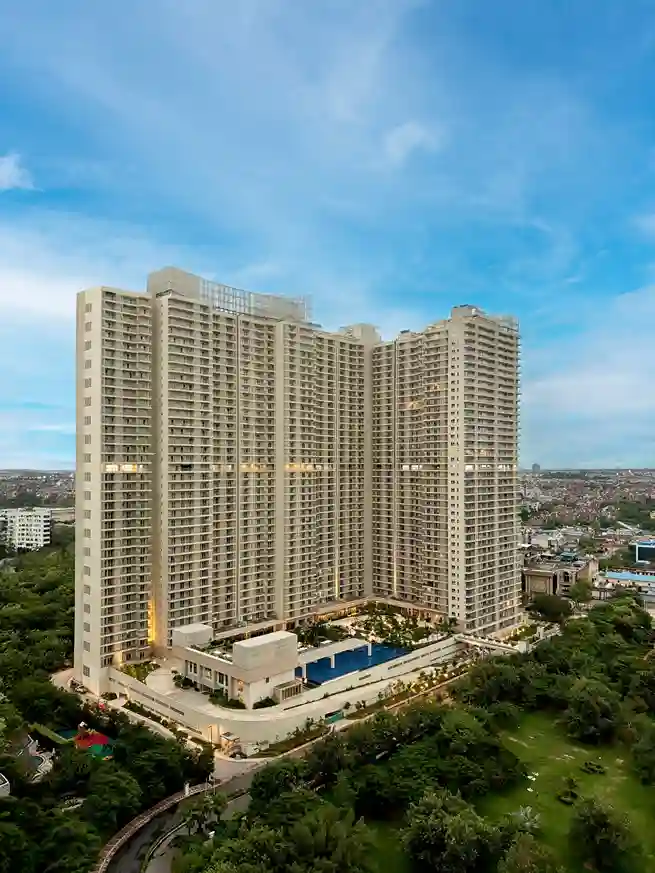
The Westpark Phase-1 is registered with MahaRERA under PR1181012500079. The registered promoter is Pegeen Builders & Developers Private Limited, and the development is currently under construction, according to the official project website.
This public record gives buyers a clear starting point for legal due diligence.
The registration number connects the phase to its regulatory disclosures. The promoter’s legal name identifies the entity responsible for the registered project. The phase designation also matters because separately developed phases are registered independently under RERA.
The registration record brings together information such as sanctioned plans, applicable approvals, title and encumbrance declarations, proposed transaction documents and the completion timeline declared for the phase.
These disclosures make it easier to compare the residence being offered with the project information filed under the regulatory framework. They do not replace an independent title review or legal assessment.
Regulatory protection becomes meaningful when the selected residence, commercial terms and registered phase remain consistent across the transaction documents.
The agreement for sale should identify the residence, consideration, payment schedule, specifications, possession date and the obligations of both parties.
Section 13 of the Real Estate (Regulation and Development) Act prevents a promoter from accepting more than 10% of the property cost as an advance or application fee before entering into and registering a written agreement for sale.
This provision limits the buyer’s exposure before the principal contractual terms have been formally recorded.
The agreement should be compared with the current cost sheet, unit plan, carpet-area statement and MahaRERA disclosures. Any difference in phase, unit details, payment milestones or possession provisions should be resolved before execution.
Independent legal review remains important, particularly for joint purchases, NRI transactions and cases involving a Power of Attorney.
RERA defines responsibilities relating to sanctioned plans, project specifications, title transfer, possession and the accuracy of information supplied to buyers.
Where the promoter fails to complete the project or deliver possession according to the agreement for sale, the buyer may have access to statutory remedies. Depending on the circumstances and the buyer’s decision, these can include a refund with applicable interest and compensation, or interest for the period of delay while continuing with the purchase.
The framework also allows an aggrieved person to approach the Regulatory Authority or adjudicating officer where a provision of the Act, its rules or the agreement has allegedly been breached.
These protections cannot prevent a dispute from arising. They reduce uncertainty by defining responsibility and establishing a formal route through which a buyer can pursue a remedy.
Project disclosures and progress updates also allow purchasers to compare reported construction progress with the registered timeline and contractual payment stages. The agreement for sale remains the primary reference for the individual buyer’s obligations.
Buyer protection continues after the residence has been handed over.
The promoter must develop the project in accordance with the sanctioned plans and approved specifications.
Under the Real Estate (Regulation and Development) Act, if a structural defect, defect in workmanship, quality or provision of services, or another promoter obligation under the agreement is reported within five years of possession, the promoter must rectify it without further charge within 30 days. Failure to do so may entitle the allottee to compensation.
The regulatory framework also addresses conveyance, the transfer of common areas and the handover of applicable documents and plans.
These provisions matter because the quality of a property decision is tested across construction, possession and the years of ownership that follow.
A registered project should not be treated as an automatic investment recommendation.
Registration does not guarantee future appreciation, rental income, uninterrupted construction progress or the buyer’s ability to carry the financial commitment. It also does not establish that every filing, approval or contractual obligation will remain compliant throughout the life of the project.
Buyers should still review:
Compliance improves visibility and accountability. Independent legal, financial and technical review helps the buyer understand how the disclosed information applies to the selected residence.
The Westpark’s registered phase identified promoter and published project information give buyers a clearer basis for evaluation.
The value of compliance lies in the ability to verify material facts, understand the promoter’s obligations and identify the remedies available when contractual commitments are not met.
For buyers considering a premium home in Mumbai, this creates a stronger foundation for decision-making through fewer assumptions, clearer documentation and defined accountability.
To explore the masterplan, review current phase availability, or arrange a private orientation, connect with the DLF client team.
1. Does MahaRERA Registration Remove Every Property Risk?
Ans: No. Registration improves transparency and establishes regulatory obligations. Market, financing, construction and personal risks remain and should be assessed separately.
2. What Should a Buyer Verify Before Booking?
Ans: The buyer should review the project name, registered phase, promoter, declared timeline, title disclosures, unit plan, carpet area, complete cost, payment schedule and draft agreement for sale.
3. What Protection Continues After Possession?
Ans: Certain structural defects, defects in workmanship, quality or services, and other promoter obligations covered by the agreement may be reported within five years of possession. The promoter must rectify qualifying defects without further charge within 30 days, subject to the applicable legal framework.
Disclaimer: This article provides general information and does not constitute legal, financial or investment advice. RERA registration and regulatory compliance do not eliminate property, market, construction, financing or contractual risk. Buyers should verify the current MahaRERA record, project documents and agreement for sale and obtain independent professional advice before making a property decision.