


-
 326
- Posted in November, 2026
Sustainability and Employee Experience at DLF Cyber City Chennai
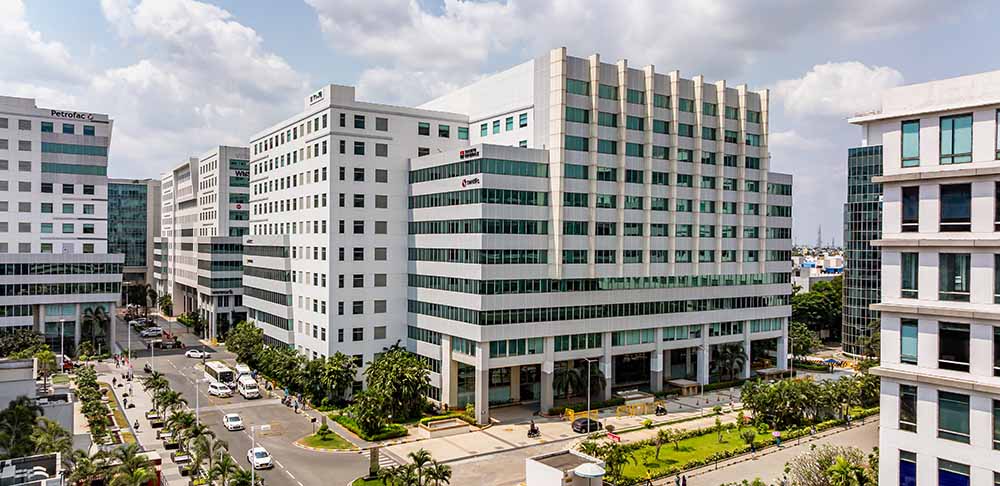
Organisations evaluating sustainable office space recognise that environmental performance directly affects long-term operational costs and employee satisfaction. Sustainable infrastructure reduces energy, water, and waste expenses while supporting occupant health through superior air quality, lighting, and thermal comfort. The result is dual benefit: measurable operational savings for the organisation and improved daily experience for employees.
From a landlord perspective, sustainable infrastructure maintains asset value through environmental certifications, attracts and retains quality occupiers through health and amenity positioning, and differentiates the facility in competitive markets through verified performance.
DLF Cyber City Chennai explicitly integrates these dimensions. The campus combines certified environmental performance through efficient systems, occupant health through air quality and comfort standards, employee experience through integrated amenities, and sustainable operations through infrastructure reducing daily occupancy costs. Organisations selecting this location gain environmental credibility, employee retention benefits, and operational efficiency simultaneously.
Green Certifications and Environmental Performance
Grade A+ Office Building in Chennai serving sustainability requirements must carry third-party certifications verifying environmental performance. Unverified green claims lack credibility. Certified performance provides stakeholder confidence and ESG reporting capability.
DLF Cyber City Chennai pursues environmental certifications addressing multiple sustainability dimensions:
- LEED Certification Path: Pursuing LEED certification verifying energy efficiency, water management, waste diversion, and material sourcing standards through independent third-party audit
- Energy Performance Targets: Building systems designed for 20-to-35 percent energy consumption reduction compared to conventional facilities through high-efficiency HVAC, LED lighting with occupancy controls, and building envelope optimization
- Water Conservation Systems: Efficient fixtures reducing potable water consumption, water recycling systems treating wastewater for non-potable uses (landscaping, cooling tower makeup, toilet flushing), rainwater harvesting capturing precipitation for landscape irrigation
- Waste Diversion Programs: Structured waste segregation enabling composting, recycling, and material recovery, achieving 50-to-90 percent diversion from landfills through organized collection and processing partnerships
- Sustainable Materials: Building materials selected for recycled content, local sourcing reducing transportation impact, and low-VOC finishes minimizing indoor air contamination
These environmental measures are operationalised through building infrastructure, not theoretical commitments. An organisation occupying certified space realises documented environmental benefits without requiring operational changes.
Occupant Health and Wellness Infrastructure
Sustainable Office Space Chennai serving modern workforce requirements, must support occupant health and daily wellbeing. Environmental sustainability without occupant health creates workplaces that are environmentally efficient but unhealthy for people.
DLF Cyber City Chennai addresses occupant health through the following:
- Air Quality Systems: MERV-14 air filtration capturing 95% of particles larger than 0.3 microns, humidity control maintaining optimal comfort ranges (40-60%), CO? monitoring ensuring adequate ventilation during high-occupancy periods, volatile organic compound reduction through low-emission materials and off-gassing management
- Natural Light Access: Window placement and orientation maximizing daylight penetration, reducing artificial lighting dependence during daytime hours, supporting circadian rhythm alignment that improves occupant alertness and sleep quality
- Thermal Comfort: Individual zone temperature control enabling occupants to adjust comfort levels, thermal mass optimization moderating indoor temperature swings, radiant heating and cooling systems maintaining stable conditions
- Water Quality Systems: Advanced filtration ensuring safe drinking water; regular testing monitoring contaminants and quality parameters; accessible hydration infrastructure encouraging water consumption over sugary beverages
- Architectural Ergonomics: Building-wide access standards supporting universal mobility; floor-to-floor heights enabling open space configuration and flexible workstation arrangement; open collaboration areas reducing isolation and supporting spontaneous interaction; height-accessible workstations accommodating diverse physical requirements
These health systems create measurable impact: reduced respiratory symptoms, improved focus and cognitive function, better sleep quality, and lower absenteeism. Health benefits translate directly to retention and productivity improvements.
Quality of Life and Sustainable Operations
Employee experience in sustainable facilities extends beyond indoor systems to encompass overall daily quality of life through campus design, materials, and operational infrastructure.
Construction Materials and Environmental Quality: Premium construction materials selected for durability, low environmental impact, and occupant health; sustainable sourcing reducing embedded carbon; materials chosen for aesthetic quality and occupant experience. High-quality spaces communicate organisational investment in occupant wellbeing.
Biophilic Design and Natural Integration: Campus landscaping integrating natural vegetation into workspace environments; green spaces reducing stress and supporting mental health; outdoor collaboration areas enabling work flexibility and nature connectivity; native plantings supporting local ecosystems and requiring minimal irrigation.
Open Space and Transparency: Interconnected open areas facilitating collaboration and spontaneous interaction; campus design reducing travel time between work zones; landscaped plazas and pathways creating pleasant daily circulation; natural sightlines and visual connectivity reducing occupant isolation
Natural Lighting Integration: Architectural orientation maximizing natural light penetration throughout working areas; reduced artificial lighting dependency reducing energy consumption and improving occupant circadian alignment; daylighting strategies improving focus and reducing eye strain during extended work periods
Air Quality and Environmental Comfort: MERV-14 filtration systems ensuring consistent indoor air quality across all spaces; humidity management supporting comfort and respiratory health; CO? monitoring enabling proactive ventilation adjustment; volatile organic compound management from materials selection to cleaning protocols
Sustainable Transportation Support: EV charging infrastructure supporting electric vehicle adoption; reduced on-campus transportation emissions; secure bicycle parking and shower facilities encouraging alternative commuting; transit accessibility reducing employee commute stress and environmental impact
Collaboration and Wellness Spaces: Flexible meeting areas accommodating diverse team configurations; wellness zones supporting stress reduction and mental health; natural break spaces enabling restoration during work hours; thermal comfort consistency enabling focus during extended work periods
These quality-of-life features reduce daily friction, support employee health and satisfaction, and create workplaces where sustainable operations enhance rather than compromise daily experience.
Integrated Amenity Ecosystem and Daily Experience
Premium Office Space Chennai India supporting large-scale sustainable operations requires integrated amenities that reduce daily workplace friction while supporting employee health and satisfaction. Sustainability that requires sacrifice from employees creates resentment that undermines retention benefits.
DLF Cyber City Chennai integrates on-campus food and dining addressing diverse preferences and dietary requirements, enabling employees to access nutritious meals without leaving campus during working hours. Casual food courts support quick lunch needs. Fine dining facilities support client entertainment and formal meals projecting organizational credibility. Speciality cafes provide beverage and snack options supporting focused work periods.
Wellness and fitness infrastructure supports employee health through comprehensive gym facilities enabling exercise during work breaks, yoga and meditation spaces supporting mental health and stress reduction, health monitoring programmes tracking biometric indicators and enabling preventive health intervention, nutrition counselling supporting healthy lifestyle choices.
Daily convenience services reduce external time commitments through retail services providing quick shopping needs, salon services enabling grooming without external appointments, and childcare facilities supporting working parents managing family responsibilities. These services compound into significant satisfaction improvements during extended tenures, reducing employee stress and enabling focus on work responsibility.
Sustainable Operations and Long-Term Financial Value
Sustainable infrastructure typically carries an initial cost premium compared to conventional buildings. But operational efficiency and long-term value appreciation often exceed the premium within five-to-seven-year lease terms. An organization modeling total occupancy cost across the full lease term typically finds sustainable facilities cost-competitive with conventional alternatives when including operational savings.
Energy efficiency reduces kilowatt-hour consumption by 20 to 35%, translating to annual savings for 1,000-person operations. Water conservation reduces municipal water consumption 30 to 50%, lowering metering costs. Waste diversion programmes reduce landfill disposal fees while creating revenue from recovered materials. Lower absenteeism from improved occupant health reduces productivity loss. Higher retention from employee satisfaction reduces recruiting and training costs.
These operational benefits compound over years into a cost advantage that premium-cost facilities provide without the initial sustainability investment. Long-term value positioning creates sustainability that is financially justified, not requiring corporate sacrifice.
Sustainability Integrated with Employee Experience for Organizational Success
DLF Cyber City Chennai sustainability positioning demonstrates that environmental performance and employee experience are integrated, not competing objectives. A facility that reduces environmental impact while supporting occupant health and providing integrated amenities achieves corporate sustainability goals while improving retention, recruitment capability, and operational efficiency.
Sustainable Office Space at DLF Cyber City Chennai provides infrastructure supporting both environmental and employee experience objectives simultaneously. Organisations selecting this location do not compromise sustainability for workplace quality or vice versa. They gain certified environmental performance, documented occupant health standards, and integrated employee experience in unified campus infrastructure.
Explore the DLF Cyber City Chennai campus ecosystem where sustainability and employee experience integrate into infrastructure supporting long-term organisational success and stakeholder value creation.
FAQs
Initially, yes. Sustainable buildings typically carry a 5-10% cost premium upfront. Energy, water, and waste savings offset the premium within 24-36 months. Long-term occupancy cost favours sustainable facilities.
MERV-14 filtration captures 95% of particles larger than 0.3 microns, reducing respiratory symptoms, improving focus and cognitive function, and reducing occupant complaints. Health benefits directly affect retention and productivity.
LEED certification provides verified data on energy consumption, water usage, waste diversion, and occupant health. Organizations cite specific performance metrics in sustainability disclosures rather than making unverified claims.
Yes. MERV-14 filtration, humidity control, and CO? monitoring create noticeably fresher indoor air. Occupants report fewer respiratory symptoms, improved focus, and better sleep quality compared to standard buildings.
Yes. Occupant health improvements, integrated amenities, and environmental commitment signal organisational values. Employees stay longer in workplaces demonstrating sustainability and health investment.
