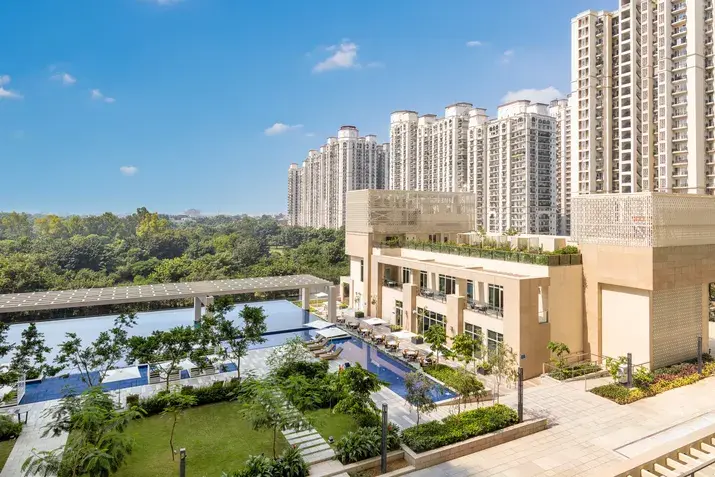
Some homes offer privacy,
And there are the ones that also make belonging feel natural.
That is where community begins to feel truly valuable. Not in the abstract language of amenities, but in the way a place makes people meet more easily. A shared evening. A familiar face in the lift lobby. Children drifting into friendship without ceremony. A conversation that begins over coffee and slowly becomes part of the rhythm of the week. At ONE Midtown by DLF, social life feels shaped not by instruction, but by the quiet logic of a setting designed to hold it well.
Relationships rarely begin because people are told to build them.
They begin because life places people near one another often enough, and gently enough, for familiarity to take root.
That is why the design of a residential setting matters so much. A strong community does not come from density alone. It comes from the quality of shared life. It comes from spaces that feel usable, welcoming, and naturally woven into the day. When the setting supports gathering without strain, interaction stops feeling forced. It becomes part of the texture of ordinary living.
This is where a deeply resolved address begins to separate itself from a simple apartment building. The home remains private, yet the larger environment creates more openings for connection.
A resident-exclusive clubhouse does more than expand the amenity offering.
It changes the social atmosphere of the address.
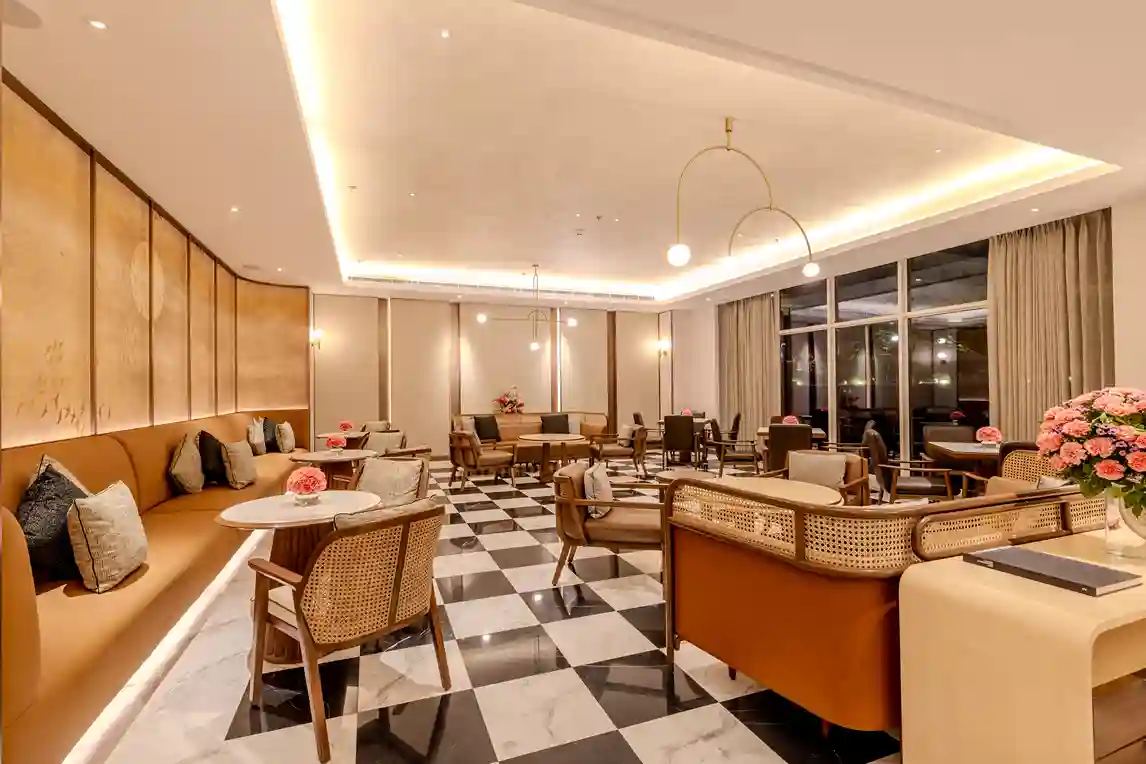
At ONE Midtown, the clubhouse gives residents a place to move beyond the front door without stepping out of the ecosystem of home. Dining, wellness, recreation, and social spaces sit close enough to become part of habit. That changes how people meet. A family may cross paths over the weekend. A conversation may continue after a workout. A child may find a regular circle through familiar routines. A neighbour may become someone known not through formal introduction, but through repetition, ease, and shared use of the same spaces.
That is what gives clubhouse culture its real value. It creates social life without making it perform.
The most meaningful communities are rarely built through grand gestures.
They are built through recurrence.
Seeing the same people in the same beautifully held spaces begins to create a subtle form of trust. The setting starts to do what the city often cannot. It slows the awkwardness of first contact. It gives people a shared frame. Over time, recognition becomes conversation, and conversation becomes relationship.
This is why social spaces matter so much. They are not decorative extras. They are the architecture of familiarity.
At ONE Midtown, those spaces allow the day to carry more than routine. They allow it to carry recognition, comfort, and social ease as well.
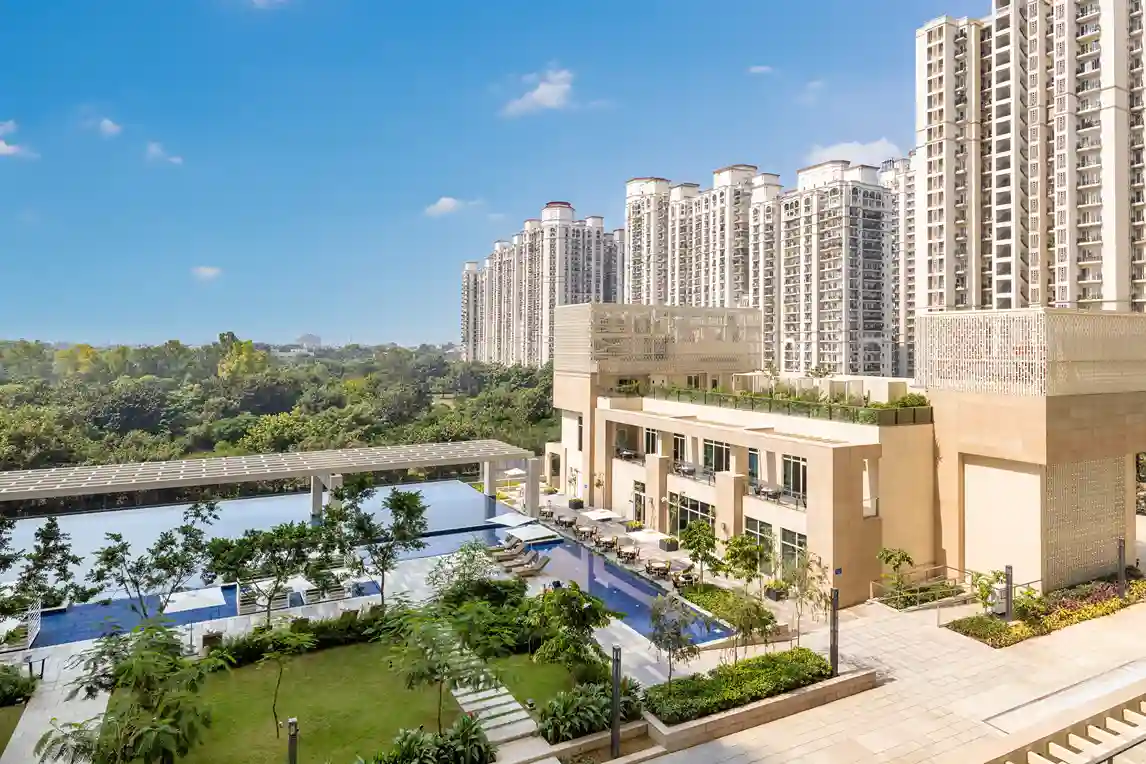
Then there is The Midtown Plaza, which gives the social life of the address another layer.
Its value lies in how naturally it widens the neighbourhood without breaking its centre. A coffee, a casual meal, a film, a service stop, a short browse: these become part of a shared local rhythm rather than separate errands scattered across the city. The address gains another place where residents can cross paths, linger, and allow everyday life to become more social without becoming more effortful.
That matters because community does not only grow inside the residence or the clubhouse. It grows in the spaces just beyond them, where public life and private life begin to overlap with more grace.
The Midtown Plaza gives the setting that overlap.
When people think about community, they often imagine planned events.
The stronger version is much simpler than that.
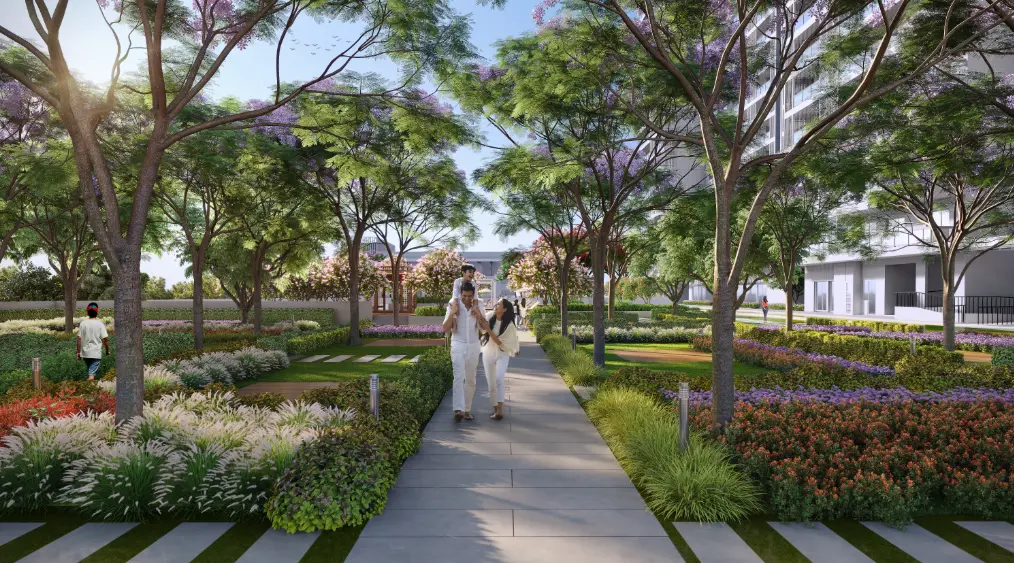
It is the feeling that life around home is active. That there are people to know. That children have a social world close at hand. That the evening can hold familiarity, not just privacy. That one does not always have to leave the neighbourhood to feel part of something larger than the apartment itself.
This is what makes a socially alive address so powerful. It changes the emotional reading of home. The residence begins to feel more rooted because the life around it feels more inhabited.
At ONE Midtown by DLF, social life is not treated as an afterthought.
It is built into the ecosystem.
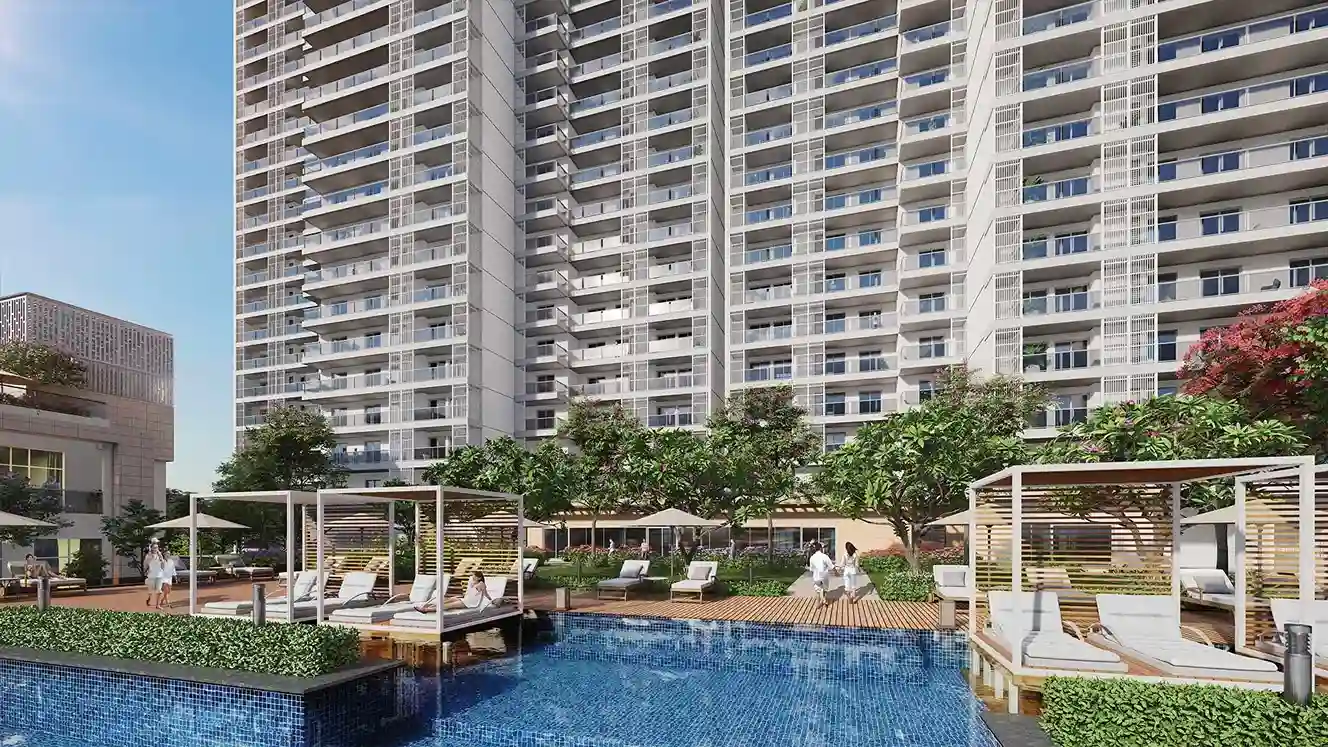
The residences, the clubhouse, and The Midtown Plaza work together to create a setting where interaction feels natural, shared spaces feel alive, and community grows through use rather than instruction. The result is a home that offers more than private comfort. It offers a richer everyday life close to the door.
That is what makes a community feel real.
Not the promise of connection.
The ease with which it begins.
Disclaimer: This blog has been written exclusively for educational purposes. The information mentioned are only examples and not recommendations. It is based on several secondary sources on the internet and is subject to changes. Please consult an expert before making related decision.