.webp)
Most days run on repeat. Wake up. Rush the routine. Commute. Work. Return. Do it again. In a city, it becomes normal to keep moving without noticing how much the day gets pulled by noise, time, and traffic.
Now imagine a home that lowers that pressure, not through big gestures, but through quiet planning that gives the day more room to breathe.
Creating intentional living spaces does not just mean arranging furniture. It means shaping the way you enter, move, pause, and settle.
There is a subtle psychology of space design at work in every home. It nudges your pace, even when you do not notice it.
A narrow, dim corridor speeds you up. A brighter living area slows you down. A cramped kitchen turns two people into obstacles. A clearer plan makes room for calm.
Mindful home design shows up in small, practical choices. A clear entryway gives you a place to drop the outside world. Morning light near the dining area changes the tone of a weekday start, turning a quick coffee into calm daily routines.
This is emotionally intelligent design in a practical sense. Walls and windows do more than divide space. They guide how the home feels.
Daily life is built on ordinary actions. Cooking. Reading. Laundry. Packing bags. Taking work calls.
In these purposeful residential spaces, the space behaves logically, so the day feels lighter. The kitchen keeps the essentials within reach. A reading corner sits away from the busiest path. Storage shows up where clutter usually gathers, so surfaces stay clearer.
Good planning reduces needless movement and small daily snags. The result feels simple: fewer interruptions, more steadiness.
Home carries more roles now. Work-from-home days. Guests on weekends. Quiet calls between meetings. Family time in the evening.
Design-led homes support this by separating “together” space from “quiet” space. Open living areas hold conversation and movement. Tucked-away spots make focus possible without feeling cut off.
A home works best when it gives you both: connection when you want it, and privacy when you need it.
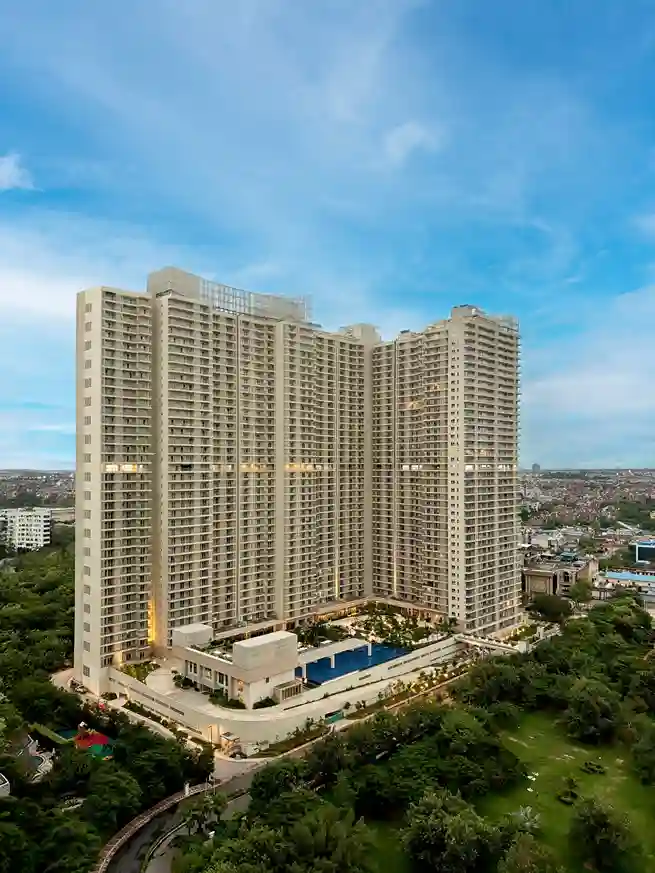
ONE Midtown offers luxury apartments in West Delhi, where the city stays close and the pace stays fast. In that reality, planning matters because the home has to create a clean boundary from the outside.
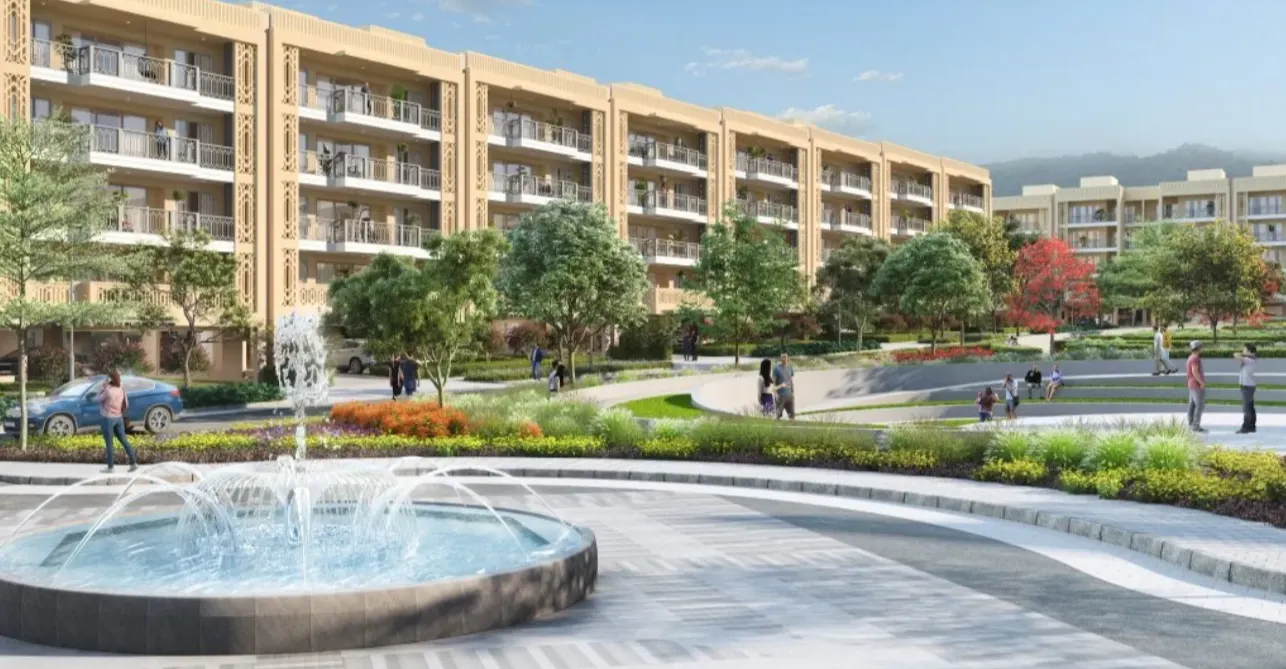
With wide acres of greenery bordering the property, green living in Delhi shows up as a daily view. That open green edge can change the feel of an evening, especially after a long day on the road.
Inside, the layouts are planned for usable space and clear movement between rooms. Large windows bring in light and open views, helping the home feel more spacious through the day.
The goal stays simple: a home that feels easy to live in, day after day.
A good home does not ask for attention. It supports the routine quietly. The day feels smoother because the plan removes small struggles you usually accept as normal.
If you are considering luxury apartments in Delhi, look beyond the big gestures. Look at the plan. Look at the light. Look at how the space handles an ordinary weekday.
When the home helps you move with less friction, living with intention becomes easier.
Are you looking for a place that supports real daily living?
Discover ONE Midtown by DLF.
Disclaimer: This article is for educational purposes only. Details may change over time. Please verify current information through official documents and authorised representatives