There was a time when the definition of a good home felt fairly settled. A well-connected address. A practical layout. Enough room for daily life to move without friction. These qualities still matter.
They remain part of the foundation.
But they no longer explain the full appeal of a home.
Today, many buyers are looking beyond function. They are paying closer attention to what a home feels like across the course of an ordinary day. How it receives you in the evening. How it holds the first hour of the morning. How easily it lets life move between work, rest, family time, and solitude.
This is where the difference begins.
A home you use serves a purpose. A home you experience shapes the quality of everyday life.
This shift is not about excess. It is about awareness.
As cities become denser and days become more demanding, buyers are becoming more sensitive to the emotional side of domestic space. They are still evaluating plans, finishes, and location. But they are also noticing the more subtle elements. The sense of openness in a room. The ease of movement through a home. The presence of light. The feeling of stepping into a space that allows the mind to settle.
This is why experience-driven homes are becoming a more meaningful part of the real estate conversation. The strongest homes today do more than meet a checklist. They support a way of living.
A functional home gives you rooms. An experiential home gives those rooms atmosphere, rhythm, and ease.
Some of the most important differences reveal themselves in the moments that are easiest to overlook.
Take arrival.
In many urban developments, coming home can feel abrupt. You move from the heavy momentum of the street into a lift lobby, up a tower, and behind a front door. The process is efficient, but emotionally thin. The home may work well, yet the transition into it feels purely mechanical.
A home designed around experience understands that arrival is part of living, not just a step before it. The journey inward matters. The pause in the lobby matters. The quality of light matters. The first visual connection to landscaped space matters. These details shape the emotional register of daily life far more than brochure language ever can.
When the transition home feels composed, the entire day begins to soften differently.
This is where modern homes in Delhi are evolving in a meaningful way. Buyers are no longer asking only whether a residence is attractive or well located. They are asking whether it can hold the life they actually want to live.
That has changed the standard.
The conversation has moved beyond square footage alone. It now includes morning routines, family rhythms, privacy, recovery, and the quality of time spent at home. In that sense, modern residences here are being judged less by display and more by how deeply they understand daily life.
The best homes are no longer defined only by design choices. They are defined by the experience those choices create.
At ONE Midtown by DLF, this distinction becomes clearer.
The appeal of this address does not rest only in the homes themselves. It rests in the larger environment that surrounds them and in the way that environment changes the feeling of everyday life.
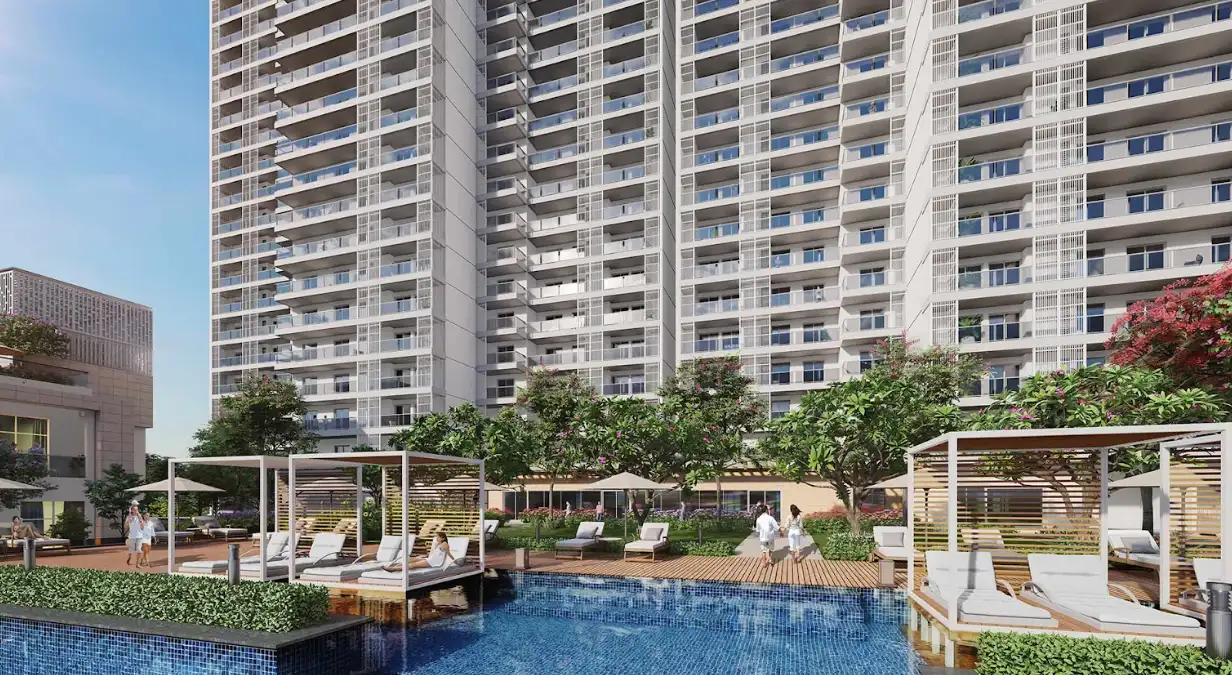
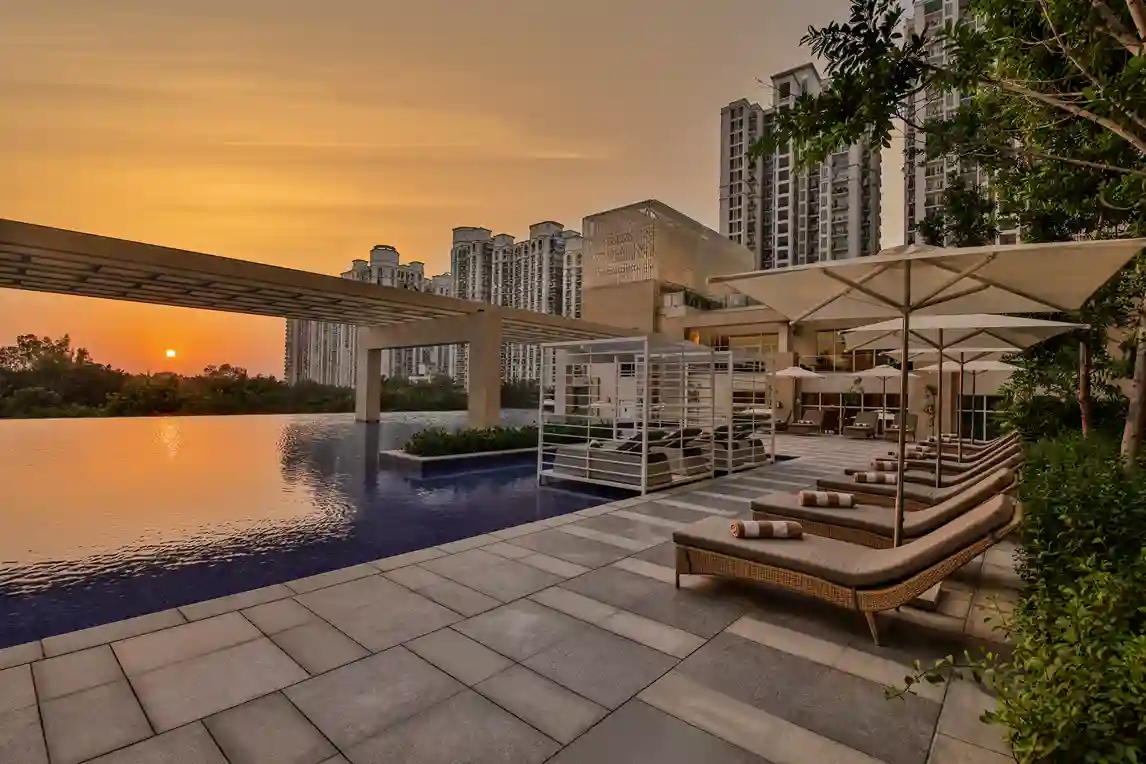
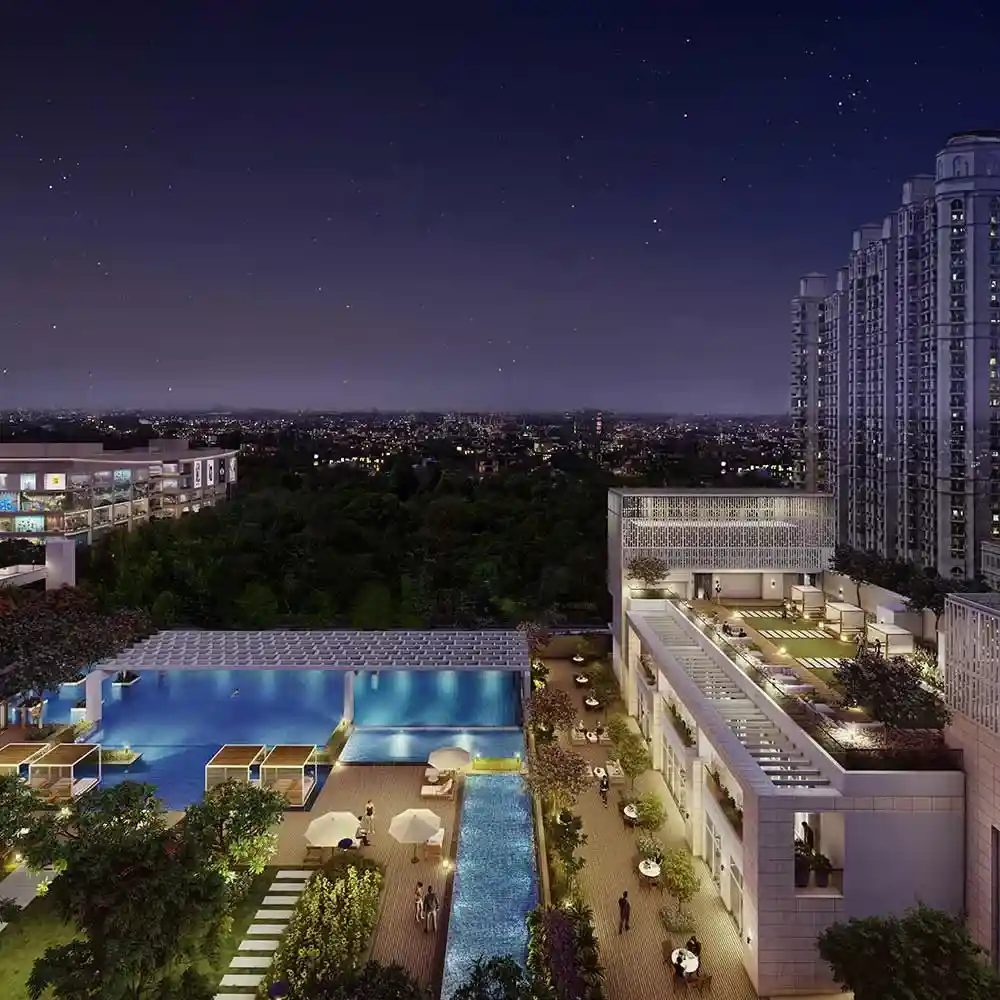
Set in the heart of West Delhi, ONE Midtown offers a more composed living experience within the city. Arrival feels calmer. Movement through the development feels more open. Views toward landscaped areas create visual release. Decks extend the sense of living space outward. Shared spaces are placed in a way that allows daily life to feel less enclosed and more at ease.
This is important because a home is never experienced only from within its walls. It is shaped by what happens just outside them as well. The walk downstairs. The quality of common areas. The ease of stepping into a setting that feels ordered, cared for, and gently set apart from the rush of the day.
That is where a residence begins to feel like more than a residence.
Modern life asks more from the home than it once did.
Work often continues beyond office hours. Children need environments that support both movement and security. Older family members value comfort, ease, and a gentler pace. Even leisure has moved closer to home. Time spent within a residence now carries far more weight than it did a generation ago.
In that context, the difference between functional and experiential living becomes far more significant.
A home that is merely efficient may still serve its purpose. But a home that is thoughtfully experienced can do something more lasting. It can restore attention. It can support routine without making life feel repetitive. It can offer a sense of pause within a city that rarely pauses for long.
Because of this shift, the way buyers evaluate a home has changed. The decision is no longer shaped only by location, layout, or long-term value. It is increasingly seen as an investment in the quality of everyday life.
That value is felt in subtle, practical ways: in the ease of a morning, in the comfort of family time, and in the sense of relief a well-considered environment can bring at the end of the day. When a residence is designed to reduce daily friction, the impact of that choice is experienced steadily through the ordinary rhythm of living.
In the end, the distinction is simple.
A home you use is built to accommodate life.
A home you experience begins to shape it.
That is why this shift matters. Buyers are no longer choosing only where they will stay. They are choosing the setting in which their daily life will unfold.
And that is also why ONE Midtown feels increasingly relevant today. It responds to a deeper expectation. One that goes beyond function and asks something calmer, but far more important.
What does it feel like to live here, every single day?
Disclaimer: This article is for educational purposes only. Details may change over time. Please verify current information through official documents and authorised representatives
_11zon.webp)