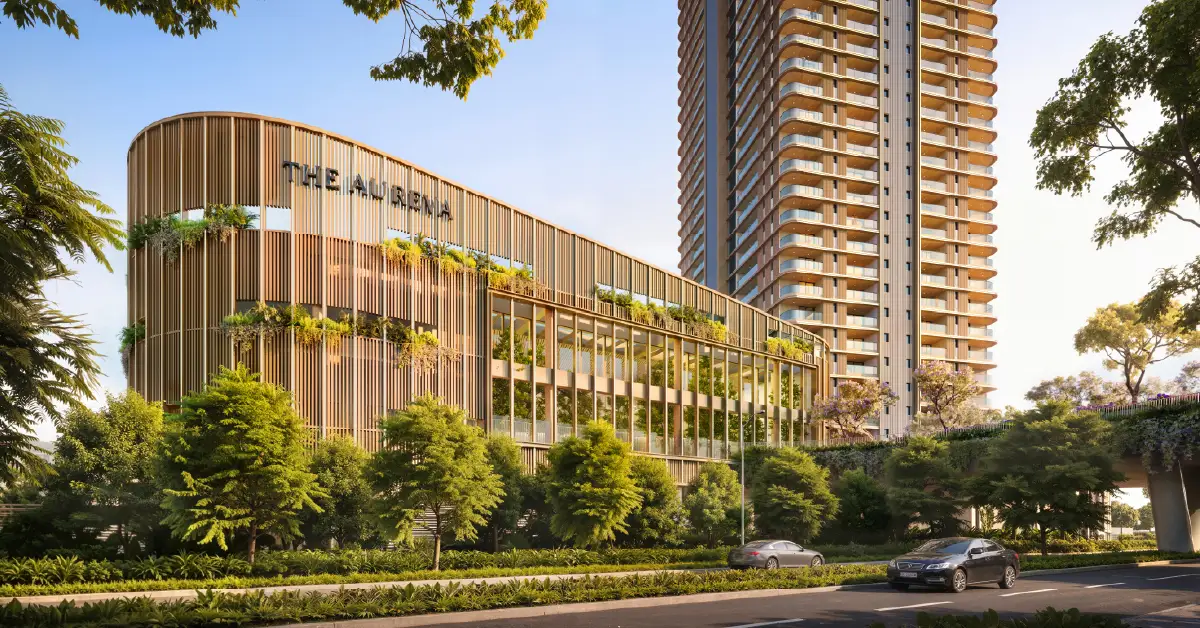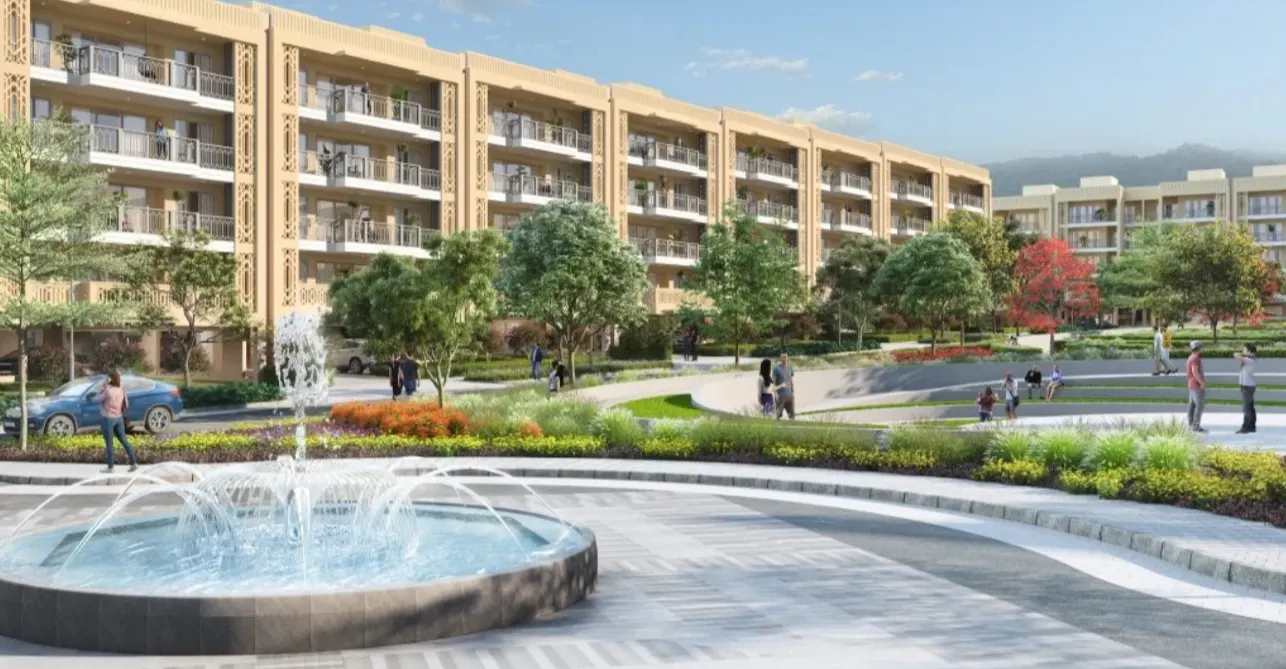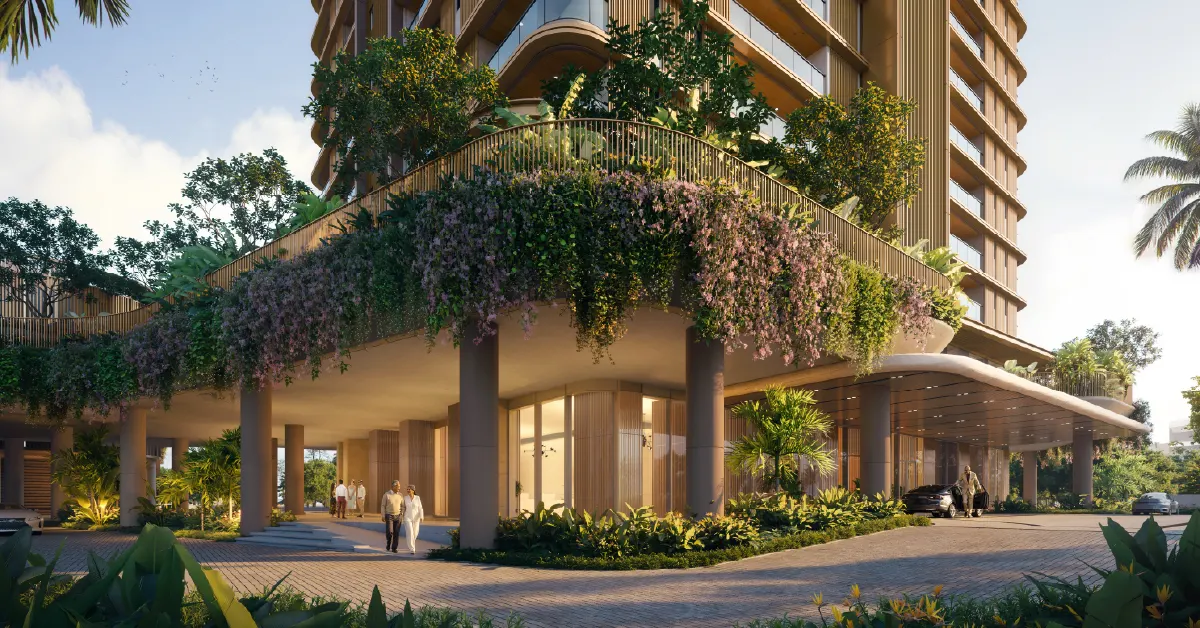
There comes a point when a home should stop asking for attention and start giving back time.
For active, independent adults, the spaces available today have not always kept pace with how they actually want to live. As retirement housing continues to evolve, the shift is no longer about stepping back. It is about choosing an environment that aligns more naturally with the rhythm of the day.
A thoughtfully planned community feels residential from the moment one arrives. The emphasis is not on visible support, but on removing the friction of household logistics so residents can move through the day with greater freedom and continuity.
True luxury does not announce itself. It works quietly in the background.
In a modern retirement housing setting, the environment is designed to support an active day without drawing attention to its own accessibility. These spaces are shaped around how daily life actually unfolds. Corridors are naturally bright, floor transitions are level, and the layout feels intuitive to move through. The home remains warm, elegant, and unmistakably residential, adapting with grace rather than ever feeling like a compromise.
The most significant shift in a modern community is the transition from managing a property to simply living in it.
A large family estate holds meaning, but it also absorbs a steady current of attention. Overseeing its daily operation subtly dictates how time is spent. The true value of a well-considered community is the return of that time. By quietly taking on the logistics of maintenance and security, the environment stops pulling at a resident’s attention. It offers the freedom to lock the door and travel, or simply wake up and let the day unfold naturally, knowing the mechanics of the household are already handled.
Reassurance is the quiet foundation of any good housing decision, but it should never become the atmosphere of the home itself.
The most mature communities understand this by keeping care out of the foreground. Reliable access to wellness and medical support sits close at hand, woven gently into the larger setting rather than imposed on daily life. The result is a quieter confidence. Residents can move through the day knowing support is there if needed, without ever feeling that home has been reshaped around illness.
A quiet, sprawling house can inadvertently distance residents from the spontaneous interactions that give a day its texture. Thoughtfully planned communities restore this natural social rhythm.
A conversation in a shared garden, a morning walk, or an evening cultural event does not need to be arranged in advance. It is simply available again. Solitude remains a respected personal choice, but connection returns more naturally to the day, without feeling forced or programmed.
As expectations evolve, the demand for environments that respect autonomy and reduce daily friction continues to grow.
This understanding shapes DLF’s approach to the future of retirement housing. The intent is not to redefine how older adults live, but to provide a setting that makes it easier for them to continue living exactly as they choose.
When architecture and daily support work quietly in the background, residents are freer to place their attention on what matters most: the rhythm, continuity, and texture of a life that still feels fully their own.