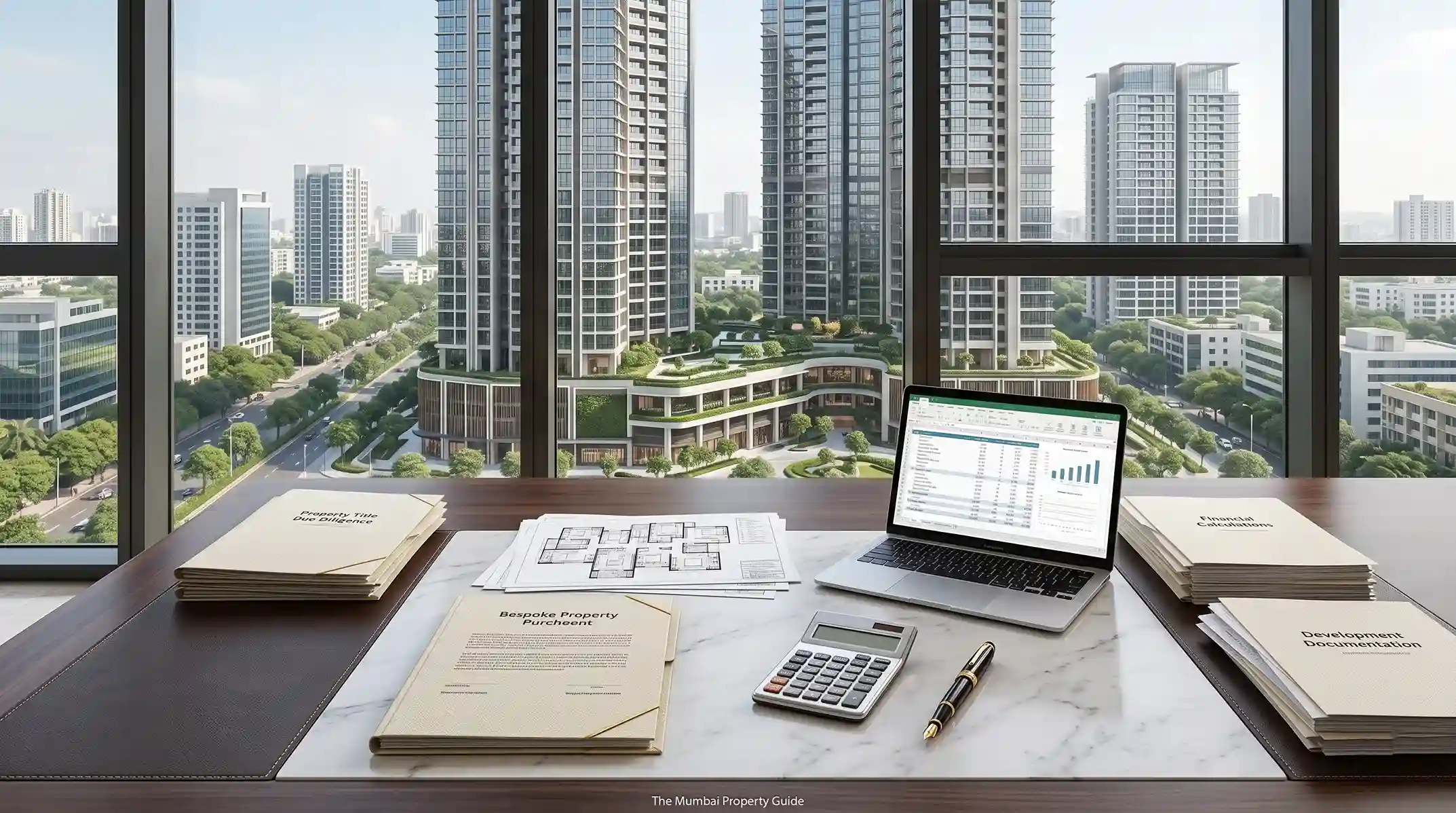
The quoted price of a home is only one part of what a buyer eventually pays. In Mumbai, stamp duty, registration fees, taxes, financing costs and other charges can add substantially to the final purchase cost.
For a high-value residence, even a small percentage can represent a sizeable sum. Working these costs out before signing the agreement gives buyers a clearer view of the total amount they will need.
Stamp duty is one of the main statutory costs involved in buying a home. It is paid to the Government of Maharashtra when the property transaction is executed.
The amount depends on factors such as the property's location, the value on which duty is calculated and any concession that may apply. Maharashtra also uses its Annual Statement of Rates, commonly known as Ready Reckoner rates, as part of the valuation process.
Since rates and concessions can change, the amount applicable to a particular purchase should be checked through the Department of Registration and Stamps, Government of Maharashtra before the agreement is signed.
Registration creates an official record of the executed property document.
The Government of Maharashtra sets the registration fees applicable to property transactions. These can change, so the current fee should be checked through the Department of Registration and Stamps rather than relying on an older percentage or cap.
Registration and legal due diligence serve different purposes. Registration records the transaction, while a legal review helps examine title documents, disclosures and the terms of the agreement.
GST can apply when a residential property is purchased while it is under construction.
According to the GST Council, the effective GST rate for residential apartments outside the affordable housing category is generally 5% without input tax credit, subject to the applicable rules.
Timing also matters. GST generally applies where a home is sold before the completion certificate, where required, or before first occupation.
Where the entire consideration is received after the completion certificate or first occupation, whichever is earlier, the tax treatment changes. The applicable provisions can be checked through the Central Board of Indirect Taxes and Customs.
Buyers may also need to deduct TDS when purchasing a property.
From 1 April 2026, the Income-tax Act, 2025 and Income-tax Rules, 2026 are in force. Property-purchase TDS is now covered under Section 393(1) of the Income-tax Act, 2025.
For a purchase from a resident seller, TDS is generally deducted at 1% of the higher of the sale consideration or stamp duty value when the relevant value is ₹50 lakh or more, according to the Income Tax Department.
For new transactions, the earlier Form 26QB has been replaced by Form 141, Schedule B. The form must generally be filed within 30 days from the end of the month in which TDS is deducted, as stated in the Income Tax Department's Form 141 guidance.
Where a property has more than one buyer, each buyer may have separate filing obligations based on their share. A purchase from a non-resident seller follows different TDS provisions and should be reviewed with a tax professional.
Taxes and registration are only part of the overall purchase cost.
A legal review can help examine title documents, MahaRERA disclosures and key agreement terms covering payments, cancellation, possession and other obligations.
Buyers using a home loan should also account for the lender's processing, valuation and mortgage-related charges.
The official project cost sheet should be checked separately for any applicable deposits, maintenance-related charges, utility charges or other amounts payable as part of the transaction. This makes it easier to separate government charges from project-specific payments.
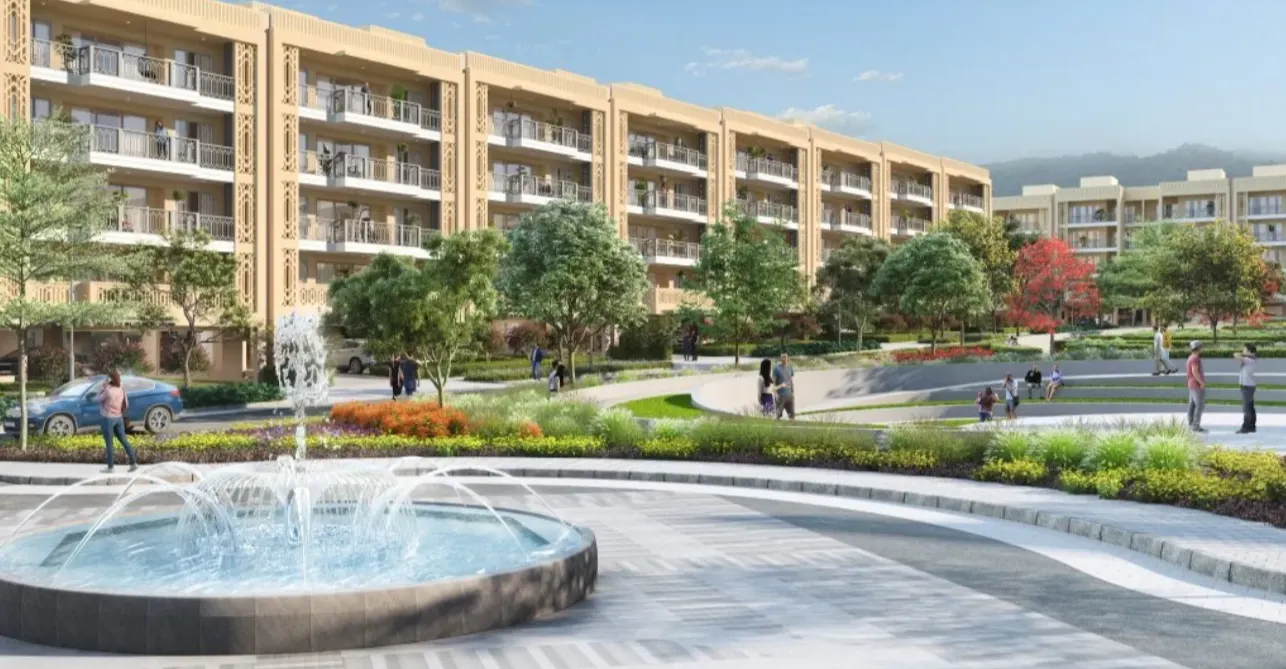
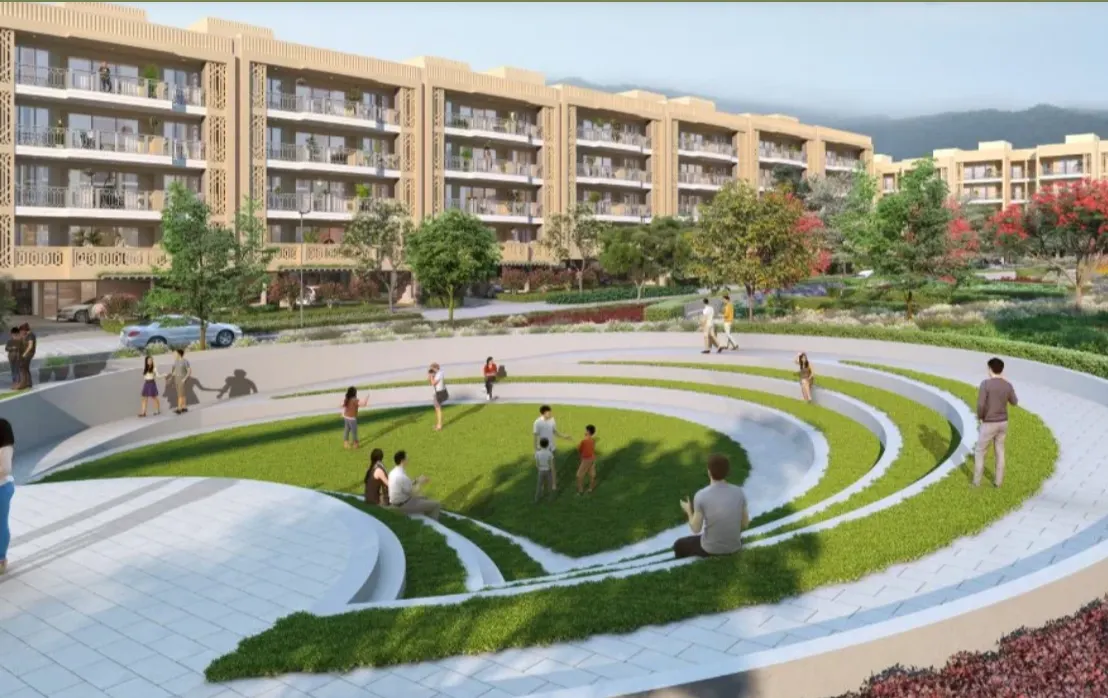
The Westpark in Andheri West is an under-construction residential development associated with DLF and Trident Realty, offering 3 and 4-bedroom residences.
At The Westpark, the agreement value is only one part of the amount a buyer needs to plan for. Stamp duty, registration, GST, TDS and any applicable project charges all form part of the wider purchase calculation.
Because The Westpark is under construction, some taxes and payments may fall due at different stages of the purchase. Reviewing the agreement, payment schedule and applicable taxes together can help buyers understand when each payment is likely to arise.
Buyers should also independently verify areas, amenities, services, payment terms and other relevant conditions before making a purchase decision, as stated in the official project information.
Before completing a Mumbai home purchase, review:
Adding these costs upfront gives buyers a clearer picture of the total amount they will need to complete the purchase.
For information on The Westpark, buyers can visit the Experience Centre in Andheri West or schedule a site visit through the official project team.
1. Does stamp duty form part of the quoted property price?
Ans: Stamp duty is generally paid separately. The agreement and official cost sheet should be checked to see which charges are included in the quoted price.
2. Does GST apply to an under-construction home?
Ans: GST generally applies to eligible under-construction residential purchases. For homes outside the affordable housing category, the effective rate is generally 5% without input tax credit, subject to the applicable GST rules.
3.When does TDS apply to a property purchase?
Ans: For a purchase from a resident seller, TDS generally applies at 1% when the sale consideration or stamp duty value is ₹50 lakh or more, subject to the Income-tax Act, 2025.
4. Which form is used for property-purchase TDS in 2026?
Ans: Property-purchase TDS is reported through Form 141, Schedule B under the current framework. The Income Tax Department provides the current filing guidance.
5. Where should buyers verify current charges?
Ans: Stamp duty and registration details should be checked with the Department of Registration and Stamps, Maharashtra. GST provisions should be checked through the CBIC and GST Council, while TDS requirements should be verified through the Income Tax Department.
Note: Stamp duty, registration fees, GST, TDS, project charges, payment schedules and legal requirements can change. Buyers should verify the applicable figures and rules through official government portals, MahaRERA records, project documents and qualified legal, tax and financial advisers before making a purchase decision.