For non-resident Indians, buying a home in Mumbai is rarely a purely financial decision.
It may become a future residence, a base for longer visits, a home for parents, a place for adult children or an Indian asset intended to remain within the family. These motivations stayed strong through 2025 and into 2026, but overseas buyers have become more selective about where they commit.
Distance changes the decision. An NRI buyer cannot inspect construction every week, resolve every document query in person or supervise the property continuously after possession. Developer credibility, location, formal disclosure and the practical demands of remote ownership therefore carry greater weight.
This is one reason NRI investment in Mumbai real estate continues to favour premium developments backed by established developers.
Luxury -
By the end of 2025, high-end homes had secured a significant share of residential sales, while premium and luxury housing continued to record strong growth. The direction remained visible in early 2026, with high-end and luxury homes continuing to gain traction across major Indian cities.
The numbers reflect a wider shift. Affluent buyers are placing greater value on larger residences, recognised developers, established neighbourhoods and developments that can support long-term use.
A local buyer can revisit a site, meet intermediaries repeatedly and follow up in person. An overseas buyer usually depends on written communication, digital documentation and representatives acting across time zones.
The developer therefore becomes part of the risk assessment.
An established name may provide a clearer framework for documentation, construction communication and post-booking coordination. It does not replace independent due diligence, but it gives the buyer a more structured organisation to evaluate.
This preference is visible across the wider market. ANAROCK’s H1 2025 Homebuyer Sentiment Survey recorded growing interest in larger homes, premium budgets and projects from large or listed developers.
For NRI families, that confidence becomes especially important because much of the purchase may need to be managed remotely.
Mumbai continues to hold both personal and financial relevance for overseas Indian families.
A residence in the city may serve as a home during extended visits, a future base for a returning family member or a place for parents and adult children. It may also remain within the family over the long term or be leased or sold later, subject to market conditions and applicable rules.
This flexibility matters because family plans change. A home purchased for occasional visits may later become a primary residence. A property intended for older parents may eventually be used by the next generation.
The strongest choices are therefore those that remain useful across different stages of family life.
NRI buyers often prefer locations that can be evaluated through present-day experience.
Andheri West already has schools, hospitals, retail destinations, restaurants and access to Mumbai’s road and metro networks. Buyers can assess how the neighbourhood functions today, how relatives move through the city and whether the address suits regular visits or a future return.
The Westpark is located off Link Road in Andheri West. Its relevance to an overseas buyer begins with this established urban context.
A mature neighbourhood reduces dependence on distant infrastructure promises. The surrounding routes, institutions and commercial activity can be experienced before the residence is completed.
The purchase is only the beginning of overseas ownership.
After possession, the property may require maintenance coordination, controlled access, communication with the resident association or facility team and support when family members arrive.
An NRI buyer should therefore review the proposed maintenance structure, access procedures, resident communication and the responsibilities assigned to the facility team after possession.
These details should be confirmed through the applicable project and handover documents. Service standards and operating responsibilities should never be assumed from the developer’s name alone.
Clear documentation and defined responsibility can make a significant difference when the owner lives several thousand kilometres away.
NRIs and Overseas Citizens of India may purchase residential and commercial property in India, excluding agricultural land, plantation property and farmhouses, under the applicable foreign-exchange framework.
Payment must move through permitted banking channels or eligible NRE, FCNR(B) or NRO accounts, as explained in the Reserve Bank of India’s guidance for NRIs and OCIs.
MahaRERA also allows overseas buyers to review registration details, the registered promoter, declared timelines and project disclosures online.
These records improve access to information. Independent legal review remains essential for verifying the title, agreement for sale, payment terms and obligations attached to the selected residence.
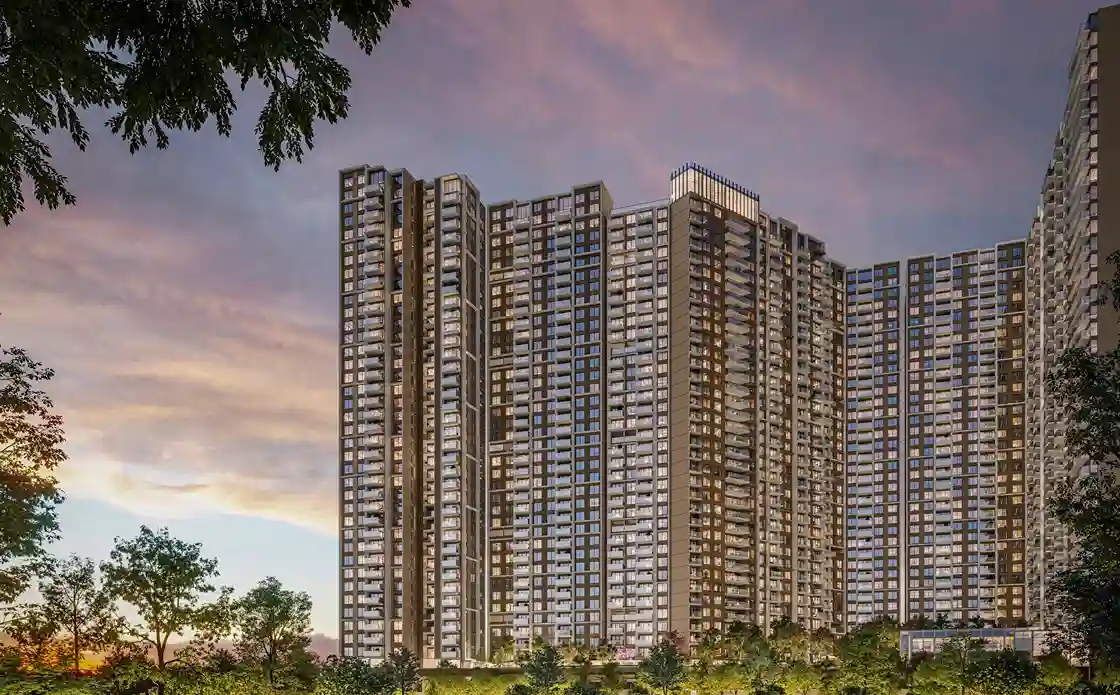
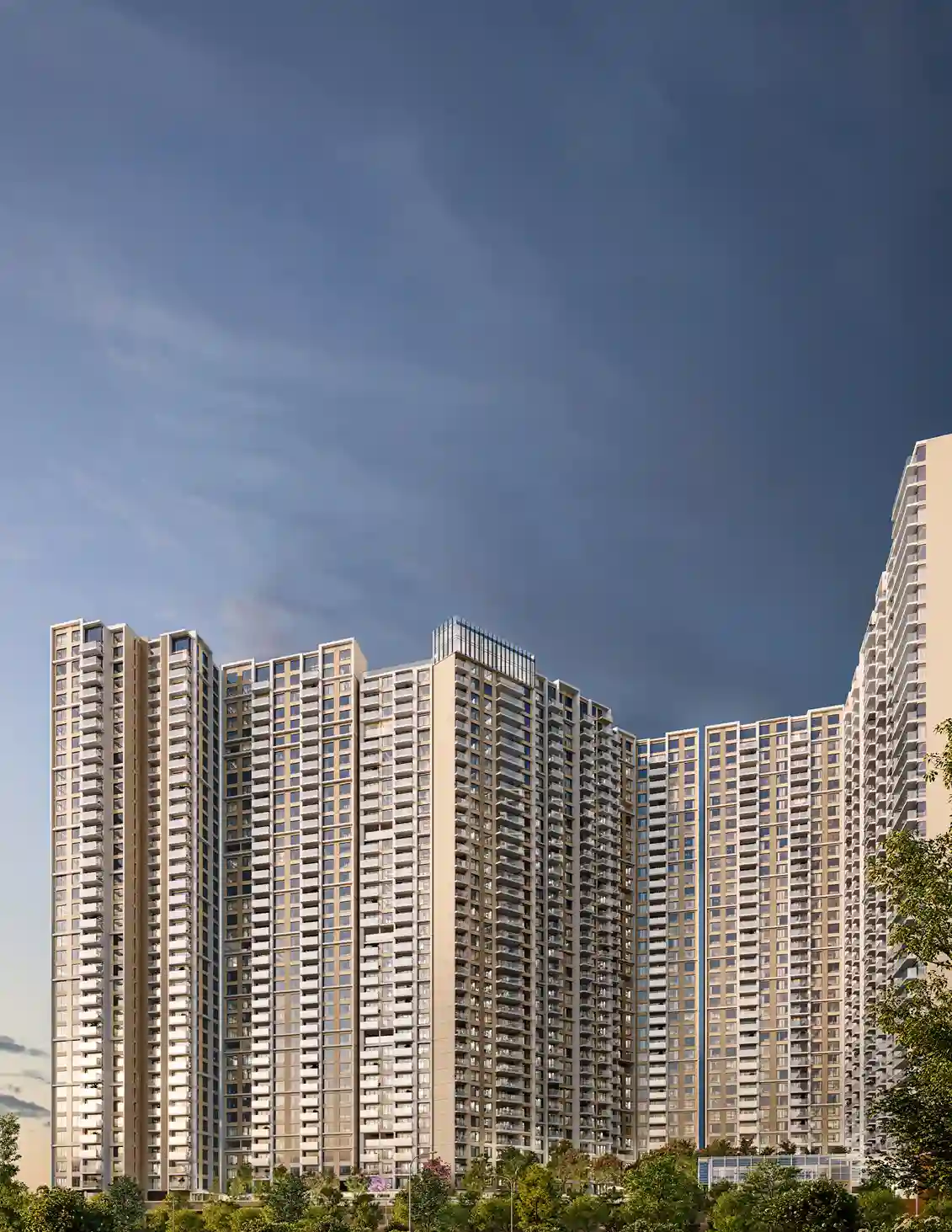
The Westpark brings together DLF and Trident Realty in Andheri West.
Its appeal to an overseas purchaser lies in the combination of an established developer, a mature Mumbai location, formal project disclosure and contemporary residence planning within a larger development.
The launch response in 2025 demonstrated strong initial demand. For an NRI buyer, however, the more important questions concern the registered phase, applicable unit plan, payment schedule, possession provisions and how the property will be managed after completion.
These details should be confirmed for the specific residence being considered.
The continued NRI interest seen through 2025 and 2026 reflects a broader change in how overseas Indians assess premium property.
They are looking for homes that remain useful across countries, generations and changing family plans. Established locations, recognised developers, formal disclosure and clear ownership processes have therefore become central to the decision.
Mumbai continues to satisfy both the emotional and practical sides of that choice. Developments such as The Westpark bring those qualities together within a contemporary residential address.
To explore the masterplan, review current phase availability, or arrange a private orientation, connect with the DLF client team.
1. Can an NRI Purchase a Residence in Mumbai?
Ans: Yes. An NRI or OCI may purchase residential or commercial property in India, excluding agricultural land, plantation property and farmhouses, subject to the applicable foreign-exchange rules.
2. Why Do NRIs Prefer Projects by Established Developers?
Ans: Established developers may provide clearer systems for documentation, construction communication and post-booking coordination, which becomes especially relevant when the purchaser is managing the transaction from another country.
3. Is The Westpark Ready for Possession?
Ans: The Westpark is an under-construction development. The possession date and related provisions applicable to an individual purchase should be reviewed in the agreement for sale.
4. Can an NRI Complete the Purchase Through a Power of Attorney?
Ans: A properly drafted Power of Attorney may allow a trusted representative to complete specified tasks in India. Its scope, execution and notarisation or consular requirements should be reviewed with qualified legal advisers.
Disclaimer: This article provides general information and does not constitute legal, tax, financial or investment advice. Property availability, specifications, prices, amenities and timelines are subject to change and applicable approvals. NRI and OCI purchasers should verify current project documents, FEMA requirements, tax treatment, repatriation provisions and contractual terms through qualified advisers before making a property decision.