


-
 1590
1590 - Posted in May, 2026
Sustainable Office Features Trending in DLF Offices Commercial Buildings
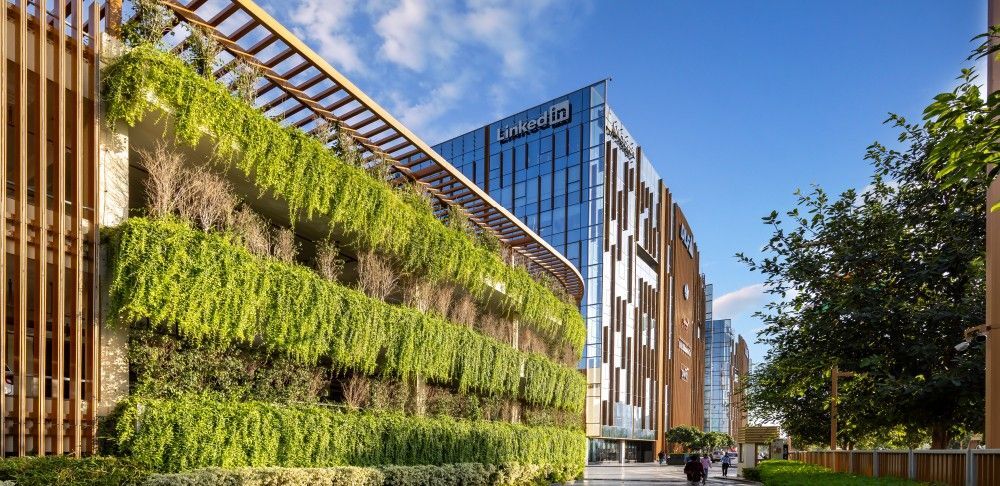
Sustainability has moved from a long-term aspiration to a present-day business requirement. Organisations now look beyond location and size when choosing office space. They assess how buildings manage energy, water, materials, and employee well-being. This shift has made sustainable office features a defining factor in modern commercial real estate. Across India, and especially within large urban centres, developers like DLF Offices continue to shape this transition by integrating sustainability into the core design of their commercial buildings.
What Are Sustainable Office Features in Commercial Buildings?
Sustainable office features refer to design, infrastructure, and operational elements that reduce environmental impact while supporting efficient and healthy workplaces. These features focus on responsible use of resources, lower emissions, and improved indoor environments.
Unlike conventional offices, which prioritise construction speed and short-term costs, sustainable commercial buildings take a long-term view. They consider the full life cycle of a building, from material sourcing and construction to daily operations and maintenance. This approach supports lower energy use, better water management, and reduced waste generation.
Sustainable design also plays a vital role in modern workplaces. It creates spaces that support employee comfort, productivity, and health. Natural light, fresh air circulation, and thermal comfort now sit alongside technology and flexibility as essential office requirements.
Why Are Sustainable Office Features Becoming a Priority for Businesses?
Environmental awareness has increased across industries. Businesses now face greater scrutiny from regulators, investors, and customers regarding their environmental practices. Offices form a major part of corporate footprints, especially for large enterprises.
Sustainable office features help organisations meet regulatory expectations while improving operational efficiency. Energy-efficient office features reduce electricity consumption and stabilise long-term costs. Water conservation systems lower dependency on municipal supply. These efficiencies directly improve asset value over time.
There is also a strong link between sustainability and workplace performance. Offices designed with green workplace design principles offer healthier environments. Better air quality, lighting, and temperature control support focus and reduce fatigue. As a result, sustainability contributes not only to compliance but also to workforce outcomes.
How Sustainable Development Shapes Modern Office Infrastructure
Sustainable development in real estate balances present needs with long-term environmental and social responsibility. In commercial office infrastructure, this balance rests on three pillars.
The environmental pillar focuses on reducing energy use, conserving water, and minimising waste. The social pillar addresses employee well-being, safety, and comfort. The economic pillar ensures that sustainability supports financial viability for developers and occupiers.
Key Features of Sustainable Development in Office Buildings
Sustainable office buildings integrate energy, water, materials, and human-centric design into a single framework. Energy systems reduce consumption through efficient equipment and smart controls. Water systems prioritise reuse and conservation. Materials selection focuses on durability and environmental impact. Human-centric design enhances comfort and usability.
Together, these features support a built environment that contributes to a more sustainable future without compromising performance or functionality.
Sustainable Office Features Trending in DLF's Commercial Buildings
DLF Offices continue to embed sustainability into their commercial developments by aligning design, technology, and operations with long-term environmental goals. Several trends now define this approach.
Energy-Efficient and Sustainable Building Design
Energy efficiency forms the foundation of sustainable office features. Buildings use passive architecture principles that optimise orientation and reduce heat gain. This approach lowers cooling demand and improves thermal comfort.
Energy-efficient lighting systems, advanced HVAC solutions, and automated controls further reduce consumption. Smart sensors adjust lighting and temperature based on occupancy and usage patterns. These systems ensure energy use remains efficient throughout the day.
Water Conservation and Responsible Water Management
Water conservation in buildings has become critical in Indian cities facing growing demand and limited supply. DLF Offices integrate rainwater harvesting systems that recharge groundwater and reduce reliance on external sources.
Water-efficient fixtures, low-flow systems, and recycling infrastructure support responsible usage. These measures help maintain consistent water availability while reducing long-term operational strain.
Use of Sustainable and Green Building Materials
Material selection plays a key role in eco-friendly office design. Sustainable buildings use materials with lower environmental impact and longer life cycles. These include responsibly sourced finishes, durable structural components, and low-emission interiors.
Green building features related to materials reduce maintenance needs and support better indoor air quality. Over time, these choices improve building performance and user experience.
Indoor Environmental Quality and Employee Well-Being
Indoor environmental quality has a direct impact on employee comfort and productivity. Sustainable offices prioritise access to natural daylight, effective ventilation, and stable indoor temperatures.
Green workplace design also considers acoustics and layout efficiency. These elements create calmer, healthier spaces that support concentration and collaboration. As organisations focus more on employee experience, these features gain increasing importance.
Smart Technology and Digital Systems for Sustainability
Smart technology now underpins office sustainability trends. Building Management Systems allow real-time monitoring of energy, water, and resource usage. Facility teams can identify inefficiencies and respond quickly to changing conditions.
Digital systems also support predictive maintenance. This reduces downtime and extends equipment life. By combining technology with sustainable design, commercial buildings achieve consistent performance with lower resource use.
How Sustainable Office Features Support Corporate Sustainability Goals
Many organisations now operate within structured ESG frameworks. Sustainable office features align closely with these goals by supporting environmental responsibility, social well-being, and governance transparency.
Occupying sustainable commercial real estate strengthens corporate responsibility narratives. It also enhances brand credibility with stakeholders who value ethical and responsible operations. Offices that reflect sustainability commitments help organisations communicate intent through action.
Why Sustainable Buildings in India Are Gaining Momentum
India has seen increasing policy support for sustainable development in real estate. Green building standards and certification systems encourage the adoption of responsible design practices across commercial projects.
Demand has also grown from global and Indian enterprises seeking offices that align with international sustainability benchmarks. As a result, Businesses looking for commercial office spaces in India are now giving greater importance to sustainability, energy efficiency, workplace comfort, and long-term operational value.
Economic Sustainability of Green Commercial Buildings
Sustainability and financial performance now go hand in hand. Green office buildings reduce operating and maintenance costs through efficient systems and durable materials.
Lower energy and water bills improve cost predictability for occupiers. Developers benefit from higher asset value and long-term relevance. These economic advantages reinforce the business case for sustainable office features across the commercial real estate sector.
The Future of Sustainable Office Buildings in India
The future of office development in India will continue to centre on sustainability. Emerging trends include deeper integration of smart systems, improved energy storage solutions, and greater focus on occupant well-being.
Large developers like DLF Offices play a key role in shaping this future by setting benchmarks for responsible development. Through continued investment in sustainable design and infrastructure, DLF Offices contribute to future-ready commercial spaces that meet evolving business and environmental expectations.
Sustainable office features are design and operational elements that reduce environmental impact while improving workplace efficiency. These include energy-efficient lighting, smart HVAC systems, water conservation solutions, green building materials, and healthy indoor environments.
Businesses are prioritising sustainable office spaces because they offer long-term cost savings, improved workplace experiences, enhanced ESG performance, and compliance with evolving sustainability expectations.
Sustainable development influences office infrastructure by integrating environmental responsibility, employee well-being, and economic efficiency into building design, construction, and operations.
Sustainable commercial buildings help reduce energy and water costs, lower maintenance expenses, improve asset value, and provide long-term operational efficiencies for both occupiers and developers.
Emerging trends include smart building technologies, advanced energy management systems, enhanced water conservation solutions, sustainable construction practices, and a greater focus on employee wellness.
