Sustainability becomes meaningful only when it stops announcing itself.
The strongest homes do not treat it as a badge, a talking point, or a separate layer of virtue applied after the fact. They build it into the rhythm of ordinary life. Into how water is used. Into how energy is handled. Into how the home supports lighter, more responsible routines without asking the resident to perform them theatrically.
That is when eco-conscious living starts to feel real.
Not as an occasional choice.
As a habit.
For a long time, sustainability was framed as a feature list.
A few green claims. A few technical additions. A few words meant to reassure the buyer that responsibility had been considered somewhere in the background.
That language is no longer enough.
The stronger aspiration now is far more integrated. People want homes that support a better way of living without making daily life feel compromised. They want environments that reduce waste, treat resources with respect, and make more thoughtful routines feel natural rather than effortful.
That is what makes eco-conscious living so relevant to the modern residence. It is no longer separate from comfort. It is part of what comfort means.
The most meaningful sustainable choices are rarely dramatic.
They happen repeatedly, quietly, and without fuss. Water is used more intelligently. Energy is handled with greater care. Daily systems work with less waste built into them. The home begins to support better decisions not by lecturing the resident, but by making those decisions easier to live with.
That is why the architecture of modern luxury is changing. The real value does not lie in symbolic gestures. It lies in the small, repeated mechanics of daily life. What happens every day matters more than what is displayed once.
A home that turns sustainability into routine is doing something much more serious than making a claim.
It is changing behaviour gently, and for the long term.
A residence always teaches its residents something.
It teaches them what pace to keep. What kinds of routines feel possible. What kinds of excess feel normal. What kinds of care feel worth sustaining.
The best homes teach responsibility without making it feel like a burden. They shape habits through design. A setting that respects water, energy, landscape, and daily use begins to produce a different quality of living. Less wasteful. Less extractive. More aware of what supports comfort and what merely consumes resources without thought.
This is where sustainability becomes cultural rather than technical.
It enters the texture of daily life.
When a system works well, it rarely asks to be admired.
It simply keeps supporting the day.
That is true of the most persuasive forms of eco-conscious living as well. They do not interrupt the experience of home. They improve it. Better environmental planning, stronger resource management, and more intelligent systems all matter most when they disappear into the normal pattern of living.
That is what turns sustainability from a concept into a habit.
It stops being something the resident has to remember to care about every few weeks.
It becomes part of how the home is already working on their behalf.
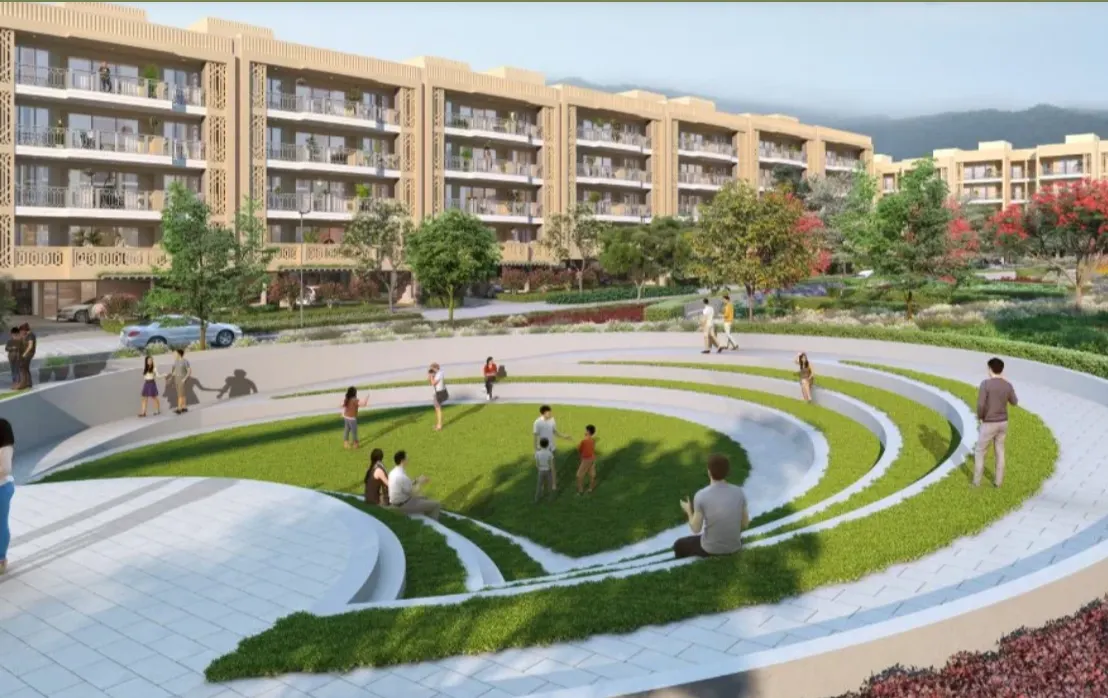
At ONE Midtown by DLF, this idea finds a natural expression. The approach to living here is shaped not by one-off green gestures, but by systems that support more responsible routines over time. Intelligent water cycling, integrated energy management, future-ready mobility infrastructure, and native landscaping are woven into the wider ecosystem so that environmental responsibility becomes part of ordinary use rather than a separate layer of virtue.
That is what gives the idea real weight.
The value does not lie only in the presence of these systems. It lies in what they make possible: a way of living where responsibility feels integrated, usable, and lasting.
That is when sustainability stops feeling like a feature.
And starts feeling like a habit.
Disclaimer: This blog has been written exclusively for educational purposes. The information mentioned are only examples and not recommendations. It is based on several secondary sources on the internet and is subject to changes. Please consult an expert before making related decision.